Key Points
- Government Involvement: Downing Street has severely criticized the proposed plans by Westminster City Council which would try to put a lid on standing-up or ‘vertical’ drinking in pubs.
- Proposed Policy: A draft licensing policy which is currently being consulted on would involve Westminster Council advocating for a seating-only policy and table service while limiting high volume open bars in Soho and West End in order to reduce the problems of noise and overcrowding.
- Downing Street’s Perspective: A spokesperson from Downing Street criticized the suggestions by saying according to Helena Horton writing for The Guardian, “Busy pubs full of people talking to each other is not a public nuisance, it is British life, and it is thousands of jobs.”
- London Mayor’s Response: London mayor Sadiq Khan was critical of the new measures on X (the former Twitter), saying, “You can’t run a world-famous nightlife district with a village-hall mentality.”
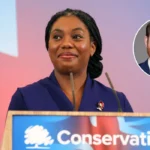
- Council’s Counterargument: However, Paul Swaddle, who leads the Conservative-led Westminster Council, refuted the backlash by explaining that newspapers had been spreading misleading news stories and assuring everyone that “there is no plan to ban standing drinking in a Westminster pub.”
- Cumulative Impact Zone: In addition, the draft framework of the Westminster Council outlines the council’s intention to strictly limit or deny new pubs and bars in the West End Cumulative Impact Zone, which includes Soho, Mayfair, and Victoria.
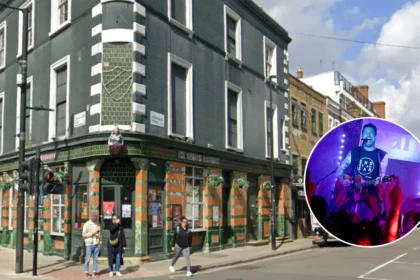
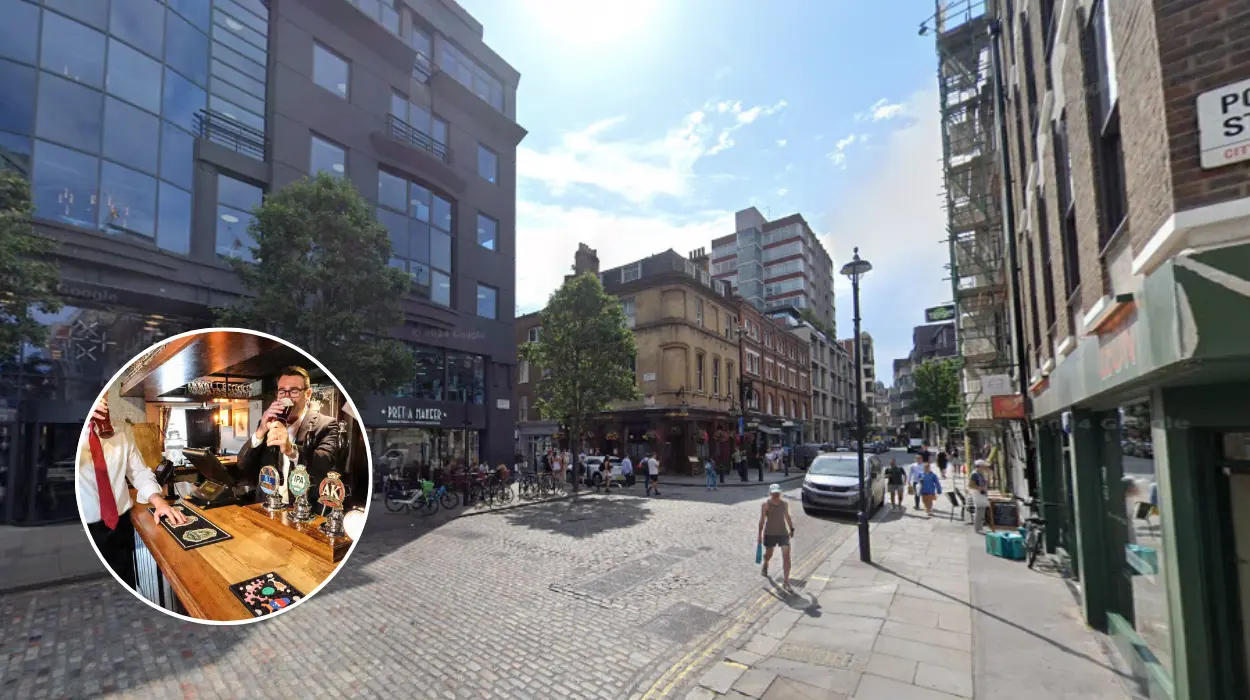
London (Extra London News) August 7, 2026 – A fierce political and cultural row has erupted at the heart of the British capital after Westminster City Council published a draft licensing policy that critics claim targets traditional pub culture by discouraging “vertical drinking” in Soho and the West End. The proposals, which are currently undergoing public consultation, seek to tackle excessive drunkenness and public nuisance by pushing venues toward fixed seating formats and waiter-service models. However, the initiative has met immediate and aggressive pushback from Downing Street, the Mayor of London, and hospitality operators who warn that over-regulation threatens to choke the life out of London’s world-renowned nightlife economy.
- Key Points
- What are the specific details of Westminster Council’s draft licensing policy?
- How did Downing Street respond to the proposed curbs?
- What did the Mayor of London and industry figures say about the crackdown?
- How has Westminster Council defended its consultation document?
- What are the broader implications for the UK hospitality sector?
What are the specific details of Westminster Council’s draft licensing policy?
The controversy stems from a draft Statement of Licensing Policy issued by Westminster City Council, which oversees one of the densest and busiest nightlife districts in Europe. As highlighted by Helena Horton of The Guardian, the document suggests that new licensing applications should be assessed individually, but advises that “greater weight” will be given to proposals that demonstrate meaningful reductions in actual operating capacity.
The text of the consultation paper explicitly states that the local authority intends to “discourage excessive drunkenness and encourage the provision of more seating in premises that serve alcohol for people to sit and enjoy a drink and order food by table service in place of open bar space that caters for high-volume vertical drinking”. Furthermore, the council suggests that venues could implement enhanced dispersal measures, restrict open bar queuing, or rely strictly on waiter and waitress service. In addition to targeting standing patrons, the draft framework outlines intentions to maintain a strict “cumulative impact zone” across Soho, Leicester Square, Mayfair, and Victoria, where applications for new pubs, bars, and fast-food outlets would normally face resistance or refusal.
How did Downing Street respond to the proposed curbs?
The proposals drew a swift and uncompromising rebuke from central government. Downing Street stepped into the fray to defend the traditional British pub experience, making it clear that Whitehall views restrictions on standing patrons as an unacceptable overreach into everyday cultural habits.
As reported by Helena Horton of The Guardian, a Downing Street spokesperson issued a scathing assessment of the council’s direction, stating:
“Busy pubs full of people talking to each other is not a public nuisance, it is British life, and it is thousands of jobs.”
Downing Street further emphasized that historical entertainment hubs like Soho did not achieve global fame by curtailing operating hours or forcing patrons into rigid structures, urging local leaders to collaborate closely with the hospitality industry rather than imposing bureaucratic hurdles.
What did the Mayor of London and industry figures say about the crackdown?
The backlash extended quickly to City Hall, where London Mayor Sadiq Khan joined the chorus of condemnation against the Conservative-run council. Taking to social media platform X, Khan did not mince words, writing:
“You can’t run a world-famous nightlife district with a village-hall mindset.”
According to coverage by City A.M., a spokesperson for the Mayor of London added that restrictive and anti-growth policies are fundamentally failing local operators at a time when businesses require robust protection. City Hall noted that the friction highlights the necessity of new legislative powers slated to be handed to the Mayor, which would allow the mayor’s office to “call in” local council licensing decisions and challenge rules perceived as harmful to London’s night-time economy.
Industry stakeholders and nightlife advocates shared identical concerns. Sacha Lord, former Night-Time Economy Adviser for Greater Manchester, went as far as labeling Westminster Council “the most anti-hospitality council in the UK”, drawing negative comparisons between the council’s guidelines and emergency pandemic-era restrictions. Prominent licensing lawyer Philip Kolvin also raised alarms with The Guardian, pointing out that standing at a bar is an essential component of British social fabric that allows customers to mingle freely outside of rigid social bubbles, warning that forcing a seated-only model threatens the communal spirit of the pub.
Explore more Local London News:
Barnet Tories Defend Kemi Badenoch Adviser in London, 2026
TfL Warns Croydon Flyover Closure Risk, London 2026
How has Westminster Council defended its consultation document?
Facing intense cross-party criticism and mounting anger from business owners who fear the policy will destroy West End footfall, Westminster Council leadership pushed back against the narrative that they were implementing an outright ban.
Addressing the press directly, Paul Swaddle, the Conservative leader of Westminster Council, told the Press Association that news outlets had circulated “confusing stories” regarding the true intent of the draft document. Setting the record straight, Swaddle stated:
“There is no plan, and never has been, to ban drinking while standing up in a Westminster pub.”
Swaddle defended the council’s record and struck back against the political attacks from City Hall. As quoted by Caroline Baldwin in The Caterer, Swaddle remarked:
“We don’t need lectures from city hall on backing hospitality when they have directed the police to object to every new licence application as their solution to curbing crime in the West End.”
The council leader insisted that the framework is fundamentally about maintaining public safety, managing local infrastructure strains, and ensuring orderly crowd dispersal, rather than stopping anyone from enjoying a casual pint while standing upright.
What are the broader implications for the UK hospitality sector?
The explosive row underscores a deeper, ongoing tension between local municipal authorities tasked with managing public order, noise complaints, and high-density crowds, and central government priorities centered around economic growth and protecting traditional British institutions. With the government recently backing measures to support the hospitality sector—such as business rate relief spearheaded by Prime Minister Andy Burnham—local crackdowns on everyday social habits are facing intense national scrutiny.
As the consultation period for Westminster’s draft licensing policy continues, pub operators, patrons, and policymakers remain locked in a high-stakes debate over the future of central London’s social landscape. Whether the local authority will revise the wording of its final policy to explicitly safeguard open bar spaces remains to be seen, but the fierce defense mounted by Downing Street ensures that any local attempt to alter the DNA of the British pub will face fierce national resistance.