Key Points
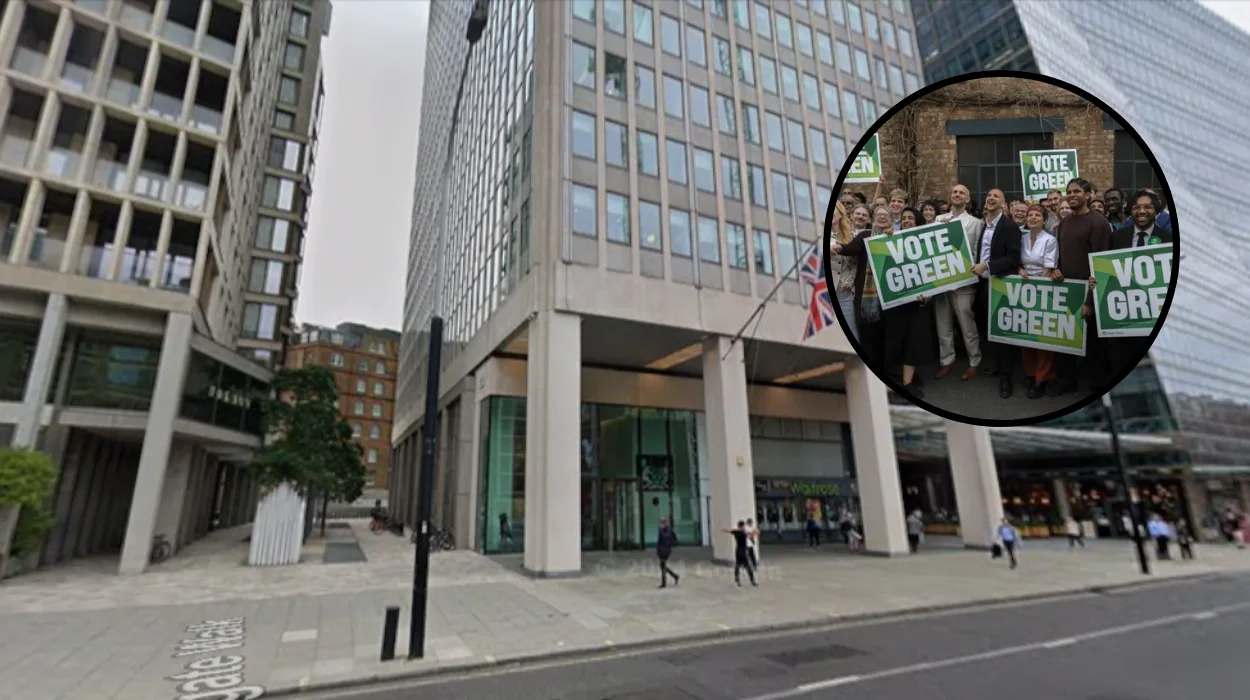
- Allegations of Double Standards: The Westminster Green Party has formally challenged the Leader of Westminster City Council, Cllr Adam Hug, over an alleged “stark contrast” in his response to two concurrent weekend protests.
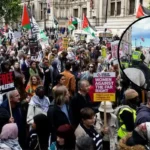
- The Marches in Question: The dispute centres on the ‘Nakba 78’ pro-Palestine demonstration and the right-wing ‘Unite the Kingdom’ rally, both held in central London on Saturday, 16 May 2026.
- Moratorium Demand: In a formal letter to Home Secretary Yvette Cooper, Cllr Hug requested a moratorium specifically targeting future pro-Palestine marches, which critics argue unfairly ignores the risks posed by right-wing gatherings.
- Safety Concerns Raised: Local Green Party members and residents highlighted a history of “unacceptable and racist behaviour” at ‘Unite the Kingdom’ events, noting that Islamophobic rhetoric and hostility left immigrants and people of colour feeling unsafe.
- Specific Incident Claims: The Green Party’s objection detailed specific flashpoints from the 16 May rallies, including the racial abuse of police officers and inflammatory stage speeches mocking Muslim women.
Westminster (Extra London News) May 18, 2026 – The Westminster Green Party and local residents have launched a fierce political challenge against Westminster City Council Leader Adam Hug, accusing him of employing a biased double standard in his handling of two major demonstrations that brought central London to a standstill on Saturday. The controversy erupted following Cllr Hug’s official correspondence with Home Secretary Yvette Cooper, in which he requested a selective moratorium on pro-Palestine marches while remaining largely silent on the security risks, racist rhetoric, and public disorder allegedly linked to the concurrent right-wing ‘Unite the Kingdom’ rally. Local activists contend that this asymmetrical approach compromises community cohesion and overlooks the direct threat that far-right extremism poses to the diverse population of the borough.
- Key Points
- What Sparked the Dispute Between the Green Party and Westminster Council?
- Why Is the Green Party Accusing Cllr Adam Hug of a ‘Stark Contrast’ in His Approach?
- What Happened at the ‘Unite the Kingdom’ March in September?
- What Allegations of Racism and Islamophobia Were Raised About the Saturday Protest?
- How Did the Council Leader and the Home Office Respond to the Allegations?
- What Are the Wider Implications for Free Speech and Public Safety in London?
What Sparked the Dispute Between the Green Party and Westminster Council?
The friction began immediately after the conclusion of two large-scale public demonstrations on Saturday, 16 May 2026. Central London saw thousands of activists take to the streets for two entirely separate causes: the ‘Nakba 78’ march, organised by pro-Palestine coalitions to commemorate the displacement of Palestinians, and the ‘Unite the Kingdom’ rally, spearheaded by right-wing activist Tommy Robinson (real name Stephen Yaxley-Lennon) and his supporters.
As reported by Political Correspondent Eleanor Lang of The London Evening Standard, the sheer scale of the overlapping demonstrations required a massive deployment of the Metropolitan Police Service to keep opposing factions separated.
Following the day’s events, Council Leader Cllr Adam Hug drafted an urgent letter to Home Secretary Yvette Cooper to address the ongoing strain that weekly protests place on municipal resources, local businesses, and policing infrastructure.
However, the contents of that letter quickly drew condemnation from local progressive politicians. In a collective public statement issued by Westminster Green Party Co-Chair Zack Polanski and a coalition of local residents, the group expressed deep dismay at how the local government chose to categorise the two events.
The Green Party asserted that Cllr Hug’s communication displayed a highly selective memory regarding the track record of violence and intimidation associated with the respective movements.
Why Is the Green Party Accusing Cllr Adam Hug of a ‘Stark Contrast’ in His Approach?
The core of the political backlash rests on the specific policy recommendations made by the Council Leader to the Home Office.
According to investigative reporter Dominic Penna of The Telegraph, Cllr Hug’s letter initially made passing, diplomatic gestures toward the operational difficulties presented by both large-scale assemblies on Saturday. However, critics argue the letter quickly shifted focus to single out one specific group of demonstrators.
As documented by Chief Municipal Reporter Fiona Simpson of The Local Government Chronicle, the Green Party’s open letter to the Council Leader explicitly stated:
“We are disturbed by the stark contrast in your approach to the ‘Nakba 78’ march and the ‘Unite the Kingdom’ march. In your letter to the Home Secretary, you began by making gestures towards both protests, but then you swiftly transitioned to calling for a moratorium solely on the pro-Palestine marches.”
The local Green Party branch argues that by requesting a temporary ban or moratorium exclusively on pro-Palestine gatherings, the council leadership has effectively minimised the documented disorder, hate speech, and community disruption generated by the right-wing counter-protest.
This asymmetrical scrutiny, the Greens claim, gives a free pass to far-right agitators while disproportionately suppressing the democratic right to peaceful assembly for anti-war and pro-Palestinian groups.
What Happened at the ‘Unite the Kingdom’ March in September?
To understand the severity of the current dispute, the local Green Party urged the Council Leader to look at the immediate history of the ‘Unite the Kingdom’ movement within the borders of Westminster. Writing for The Independent, Home Affairs Editor Lizzie Dearden previously reported that the initial ‘Unite the Kingdom’ rally in September 2025 resulted in widespread urban chaos, significant property damage, and direct physical confrontations with law enforcement.
Reflecting on those past events, the Westminster Green Party’s formal complaint reminded Cllr Hug of the hostile environment created during the autumn demonstration. As detailed by Social Justice Reporter Nadeem Badshah of The Guardian, the Green Party’s statement noted:
“Last September, we saw a large range of unacceptable and racist behaviour at the ‘Unite the Kingdom’ protest, with officers severely injured, Islamophobic chants and Elon Musk saying that attendees must ‘fight back or […] die’.”
The inclusion of tech billionaire Elon Musk’s digital commentary on social media platform X (formerly Twitter) during the September riots underscores the internationalised and highly volatile nature of the rhetoric surrounding these events.
The Green Party stressed that the autumn rally caused lasting psychological harm to the local population, stating that
“immigrants and people of colour were made to feel unsafe in the city that they call home.”
By failing to give equal weight to these historical precedents in his report to the Home Secretary, Cllr Hug was accused by the Greens of omitting crucial context regarding public safety.
What Allegations of Racism and Islamophobia Were Raised About the Saturday Protest?
The complaints levied against the ‘Unite the Kingdom’ rally are not confined to past history; rather, eye-witness accounts from Saturday, 16 May 2026, suggest that the underlying patterns of hostility have persisted unabated.
As reported by Crime Correspondent Anthony France of The Evening Standard, the Metropolitan Police confirmed that several arrests were made across central London on Saturday for public order offences, racially aggravated harassment, and assaults on emergency workers.
The Green Party letter explicitly detailed highly offensive incidents that allegedly took place in plain view of the public and municipal authorities on Saturday.
As noted by Religion and Community Affairs Writer Harriet Sherwood of The Guardian, the Green Party members claimed:
“This movement is clearly one that inflames hatred against Muslims and immigrants. On Saturday, we saw activists take to the stage at the ‘Unite the Kingdom’ protest, mocking women who exercise their full right to wear Burqas.”
Furthermore, the green activists asserted that the aggressive behaviour was not limited to verbal mockery of religious attire but extended to direct confrontation with the state’s security apparatus. As highlighted by Senior Political Reporter Mason Boycott-Owen of The Left Foot Forward, the statement continued, noting that residents
“saw people, including police officers, being racially abused,”
while simultaneously hearing
“Tommy Robinson, the organiser of this march, talking about his desire to ‘stop Islam’.”
Explore More Westminster News
Westminster Pro-Palestine March Ban Urged: London 2026
Westminster 2026 Elections: Tories Eye Labour Stronghold
How Did the Council Leader and the Home Office Respond to the Allegations?
In response to the mounting criticism from the Green Party and local anti-racism coalitions, the Westminster City Council press office issued a clarifying statement on behalf of Cllr Adam Hug.
As reported by Local Democracy Reporter Callum Marius of MyLondon, a council spokesperson defended the Leader’s communication with the Home Office as a pragmatic response to an unsustainable civic burden rather than an ideological attack.
The council spokesperson clarified that Cllr Hug’s recommendation for a moratorium on pro-Palestine marches was driven by the cumulative impact of consecutive, weekly demonstrations stretching over several months, which have placed unprecedented financial and operational strain on Westminster’s public services.
The council maintained that the ‘Unite the Kingdom’ rallies, while highly disruptive and condemned for their rhetoric, are infrequent, whereas the recurring nature of the pro-Palestine marches requires a sustained, multi-million-pound policing effort every single weekend.
On the national level, the Home Office has maintained a neutral but firm stance regarding operational policing decisions. As reported by Political Editor Chris Mason of BBC News, a Home Office representative confirmed receipt of Cllr Hug’s letter, stating that Home Secretary Yvette Cooper remains in close consultation with Metropolitan Police Commissioner Sir Mark Rowley.
The Home Office emphasized that any decision to restrict or ban specific marches must meet strict legal thresholds under the Public Order Act, based strictly on intelligence regarding the imminent threat of serious public disorder, rather than political pressure from local councils or opposing political parties.
What Are the Wider Implications for Free Speech and Public Safety in London?
This escalating row between the Westminster Green Party and the Labour-led Westminster City Council highlights a much larger, systemic debate taking place across the United Kingdom regarding the boundaries of free speech, the right to protest, and the state’s duty to protect vulnerable minority communities.
As analysed by Legal Affairs Editor Jonathan Ames of The Times, the situation presents a profound constitutional dilemma. On one hand, local authorities are facing intense pressure from residents and business owners in the West End who feel that central London is being turned into a permanent battleground for geopolitical and ideological proxy wars. The economic impact on retail, theatre, and hospitality sectors due to continuous weekend diversions is a tangible concern for the council leadership.
On the other hand, civil liberties organizations have strongly aligned with the criticisms voiced by the Green Party. As reported by Civil Liberties Reporter Silvia Marchetti of Index on Censorship, human rights advocates argue that introducing a selective moratorium based on the political viewpoint or the frequency of a specific protest movement sets a dangerous legal precedent. Critics warn that if a local council can successfully lobby the Home Secretary to ban specific marches simply because they occur frequently, it fundamentally weakens the democratic right to dissent and allows the government of the day to arbitrarily silence movements it finds politically inconvenient, while failing to adequately police genuine instances of hate speech and racial abuse occurring elsewhere on the streets.