Key Points
- Extended Pub Opening Hours: Pubs across England have been granted emergency permission to remain open until 5:00 am on Monday night to show the early-morning World Cup match between England and Mexico.
- Prime Ministerial U-Turn: Prime Minister Sir Keir Starmer implemented a policy U-turn on Thursday afternoon to extend operating hours, overriding a previous blanket rule that restricted extensions to games kicking off between 5:00 pm and 10:00 pm.
- Extensive Venue Coverage: Dozens of establishments across Central, North, East, South, and West London—including major operators like BrewDog, Boxpark, and SPORT London—will stream the 1:00 am kick-off live.
- Ealing Direct Funding Intervention: Ealing Council has independently allocated £1.4 million for its own local ‘Pride in Place’ regeneration scheme after being completely excluded from the Labour Government’s national funding initiative.
- Targeting Local Deprivation: Regeneration funds will be data-driven, heavily focusing on the borough’s most deprived areas, including the town of Northolt and the ward of Southall Green.
- Community Co-Design Model: The council will deploy volunteer-led “town teams” of 10 to 15 residents, alongside local businesses, faith groups, and councillors, to decide exactly how and where the money is spent.
- Public Visual and Safety Issues: The funding announcement arrives amid severe public anxiety in Southall regarding widespread fly-tipping and rising levels of public drug usage following the relocation of an addiction treatment centre.
- Project Implementation Timeline: The Economy and Sustainability Scrutiny Panel, chaired by Councillor Hitesh Tailor, will meet on Thursday, July 9, to refine the strategy ahead of a planned phase-one rollout by April 2027.
London (Extra London News) July 7, 2026 – Millions of football fans and local businesses across the capital are preparing for an unprecedented logistical operation this weekend following an emergency legislative intervention by the central government. In an exceptional policy shift, Prime Minister Sir Keir Starmer announced that hospitality venues across England will be legally permitted to extend their operating hours until 5:00 am on Monday morning.
- Key Points
- Why Has the Government Permitted Pubs to Stay Open Until 5am for the England v Mexico Match?
- Which London Venues and Pubs Are Permitted to Screen the World Cup Clash Live?
- Which Central London Establishments Will Remain Open Late?
- What Options Do Football Fans Have in North and East London?
- Where Can Supporters Watch the Game in South and West London?
- Why Is Ealing Council Spending £1.4 Million of Its Own Funds on High Street Makeovers?
- Which Areas in the Borough of Ealing Are Most Likely to Receive Funding?
- How Will Local Residents and ‘Town Teams’ Influence the Allocation of Regeneration Funds?
- What Are the Next Steps for the Council’s Economy and Sustainability Scrutiny Panel?
This targeted relaxation of licensing laws is designed to accommodate the thousands of supporters wishing to view the national team’s highly anticipated World Cup knockout clash against Mexico, which is scheduled for a 1:00 am British Summer Time kick-off. Concurrently, broader debates regarding urban space and civic pride have intensified in West London, where Ealing Council has launched an independent £1.4 million capital injection to transform its struggling high streets after being denied access to the national government’s flagship funding programmes.
Why Has the Government Permitted Pubs to Stay Open Until 5am for the England v Mexico Match?
The decision to extend licensing hours across the nation required a direct and sudden policy reversal from Downing Street. Originally, a blanket rule introduced by Home Secretary Shabana Mahmood allowed drinking establishments to extend their hours for European and global tournament matches, but this dispensation explicitly applied only to fixtures scheduled to take place within the standard television broadcasting windows of 5:00 pm and 10:00 pm. Because the current World Cup tournament formatting has resulted in early-morning kickoff schedules for the United Kingdom audience, standard licensing regulations would have forced the vast majority of commercial premises to close their doors long before the final whistle.
Recognising the immense public demand and the potential economic windfall for a heavily burdened hospitality sector, Sir Keir Starmer executed a significant U-turn on Thursday afternoon. By enacting this emergency legislative variance, the government has cleared the path for fans to cheer on the national squad, currently managed by Thomas Tuchel, directly from their local establishments. Representatives from the hospitality industry have widely welcomed the move, noting that a 1:00 am fixture would otherwise have resulted in muted commercial engagement and lost revenue during what is traditionally a peak trading period for British sports bars and traditional public houses.
Which London Venues and Pubs Are Permitted to Screen the World Cup Clash Live?
Which Central London Establishments Will Remain Open Late?
According to a comprehensive logistics directory compiled and published by the editorial team at the Evening Standard, a diverse array of central urban venues have confirmed their participation in the late-night screening initiative. Operators in the heart of the capital are preparing for maximum capacity, with multiple venues expanding their security details and bar staffing to handle the late-night influx.
In Central London, the Evening Standard list confirms that major hubs will include multiple BrewDog locations, notably their high-footfall site at Seven Dials. Other key central establishments remaining open until 5:00 am include Generator London in Russell Square, Victoria Taps in Westminster, Langan’s Brasserie in Mayfair, Arcade at Tottenham Court Road, and The Albert in Victoria. Traditional pub enthusiasts will also be served by The Allsop Arms in Marylebone, Brewmaster in Leicester Square, and a cluster of historic Mayfair venues including The Duke of York, The King’s Arms, and the Three Jolly Butchers.
Furthermore, fans can access screenings at Fitzrovia in the corresponding district, The Fountains Abbey in Paddington, Friend at Hand in Bloomsbury, The Golden Lion in Soho, Leicester Arms in Soho, The Blue Posts in St James, and a trio of Covent Garden landmarks: the Maple Leaf, the New Explorer, and the Prince of Wales. Rounding out the central zone are Paxtons Head in Belgravia, Plough in Bloomsbury, Shakespeare in Victoria, Shakespeare’s Head in Soho, Spread Eagle in Mayfair, The Three Tuns in Marylebone, Travellers Tavern in Belgravia, Warwick Castle in Maida Vale, Ye Olde London in the City of London, Penderel’s Oak in Holborn, 21Soho at Sutton Yard, and The Steel Yard on Allhallows Lane.
What Options Do Football Fans Have in North and East London?
Supporters residing in or travelling to the northern and eastern sectors of the city have access to several large-scale event spaces and community hubs. The Evening Standard report highlights that SPORT London has officially opened six dedicated venues across the capital specifically tailored for this round-of-16 clash, alongside iconic fan zones such as Boxpark, where massive crowds regularly gather.
In North London, the permitted venues feature the sprawling Boxpark Wembley complex, alongside localized options such as The Elephant Inn in Finchley, Grand Junction Arms in Harlesden, The Alwyne Castle in Highbury, Arnos Arms in Southgate, and The Assembly House in Kentish Town. Additionally, operations will continue through the night at The Black Lion in West Hampstead, The George in Belsize Park, The Greene Man in Euston, Lucas Arms in King’s Cross, Maynard Arms in Crouch End, and the North London Tavern in Kilburn.
Moving to East London, the operational footprint shifts heavily toward vibrant commercial districts. Key sites include Boxpark Shoreditch, Village Underground in Shoreditch, and the eastern branch of The Steel Yard in Hackney. The Evening Standard directory further identifies BrewDog hubs in Canary Wharf, Tower Hill, and Upminster. Fans can also congregate at The Windjammer at Royal Wharf, Albion in the City of London, Three Crowns in Shoreditch, The Crooked Billet in Clapton, Beechwood in Shoreditch, The Yacht in Greenwich, Broadwood at Liverpool Street, Goldwood at Bank, and the KERB Sports Bar in Spitalfields. Other eastern entries encompass The Star at Liverpool Street, Long Arm Brewery & Tap Room in Shoreditch, The Aspen Tree in Romford, The County Arms in Chingford, Junction in Upminster, The Abbey Tap in Stratford, and a variety of independent venues like Signature Brew locations in both Blackhorse Road and Haggerston. The list concludes for the east with Number 90 and Colour Factory in Hackney Wick, Riverside East at Queen Elizabeth Olympic Park in Stratford, Sebright Arms in Bethnal Green, The Orange Room in Stratford, E1 on Pennington Street, The George Tavern in Shadwell, and Shoreditch mainstays Dream Bags Jaguar Shoes, Strongroom Bar, the Old Blue Last, and Hoxton Cabin in Hoxton.
Where Can Supporters Watch the Game in South and West London?
South and West London boroughs are similarly represented in the emergency licensing schedule, providing expansive coverage for suburban fans who prefer not to commute into the absolute center of the metropolis.
South London viewing locations featured in the Evening Standard reporting include the Bunch of Grapes at London Bridge, alongside a dense concentration of venues in Clapham, such as The Sun, The Falcon, The Alexandra, the Junction, and the Merchant. Major multi-entertainment spaces are also activated, including Greenwood in Victoria, Redwood at London Bridge, and TOCA Social at the O2 Arena. Localized neighborhood pubs completing the southern list include The Devonshire in Balham, Venn St. Records in Clapham, Rae’s Summer Sports Lounge in Southwark, The Angel Oak in Peckham, The Brentwood in Rotherham, The Florence in Brixton, The Fox Under the Hill at Shooters Hill, New Cross House in New Cross, The George in Southwark, The Hare & Billet in Blackheath, and the Bear & Ragged Staff in Crayford. For those positioned in Tooting, the Kings Head will remain open.
In West London, fans can access the match at BrewDog Paddington, The King’s Arms in Hanwell, Fig Tree in Uxbridge, The Cabbage Patch in Twickenham, The Courtfield in Earls Court, The Crown & Sceptre in Shepherds Bush, and The Distillers in Hammersmith. The borough of Ealing features prominently within this sporting context via long-standing community hubs like The Forester, The Fox & Goose, and The Grove. Nearby options extend to The George IV in Chiswick, The Crabtree and The Durell Arms in Fulham, Northcote Records in Battersea, The Gloucester Arms in Kensington, Hoop & Toy in Chelsea, The Myllet Arms in Greenford, Middlesex Arms in Ruislip, Old Swan in Kensington, alongside the Tabard, the Packhorse & Talbot in Chiswick, the Pavilion in Shepherd’s Bush, and the Pembroke in Earl’s Court.
Why Is Ealing Council Spending £1.4 Million of Its Own Funds on High Street Makeovers?
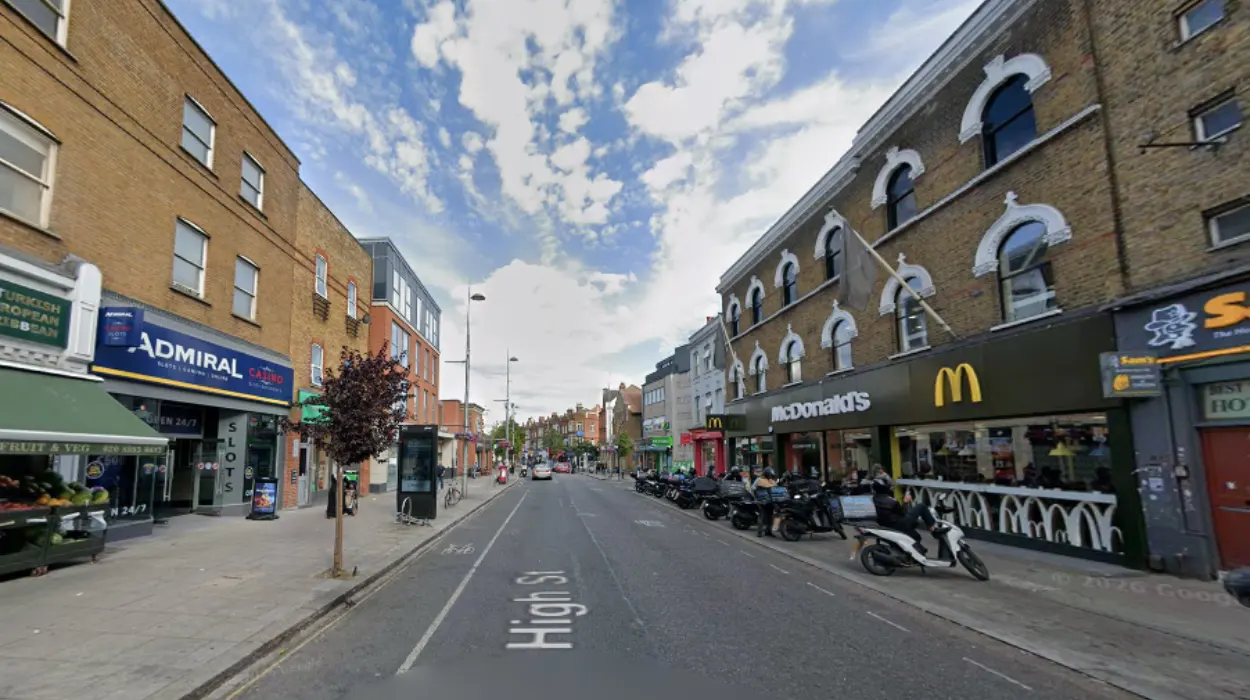
While the hospitality industry gears up for an immediate economic boost, long-term structural and economic interventions are taking center stage in the London Borough of Ealing. As reported by Philip James Lynch, a Local Democracy Reporter publishing via MyLondon, Ealing Council has taken the extraordinary step of carving out £1.4 million from its internal municipal budgets to finance its own localized ‘Pride in Place’ program. This substantial capital allocation was born out of political necessity and local frustration after the borough was entirely excluded from the central Labour Government’s national Pride in Place scheme.
The national government-led framework was designed to rejuvenate British high streets and bolster local community infrastructure. However, when the funding allocations were officially distributed, Ealing discovered it had been bypassed completely. This exclusion stood in sharp, controversial contrast to neighboring West London jurisdictions. As highlighted by Philip James Lynch’s investigation for MyLondon, adjacent boroughs such as Hounslow and Brent successfully secured direct financial windfalls from the national strategy, leaving Ealing’s leadership to resolve their development deficits independently.
In official council documents reviewed by the Local Democracy Service, municipal administrators clarified that the newly minted £1.4 million fund will be explicitly utilized to “build stronger communities, create thriving places and empower local people.” Because the borough cannot rely on macroeconomic state grants, the local authority is forced to rely on precise, targeted interventions to maximize the utility of every pound spent.
Which Areas in the Borough of Ealing Are Most Likely to Receive Funding?
How Do High Levels of Deprivation and Public Concerns Impact Southall and Northolt?
Because the £1.4 million budget must cover a vast and diverse borough, Ealing Council officers are mandated to employ rigorous data metrics to determine exactly where the capital will be deployed. According to the data analysis published by MyLondon, council documents indicate that the initiative will “specifically focus on enhancing public spaces in high streets and town centres,” with the highest-need areas receiving priority consideration.
Statistical assessments conducted by the local authority have already provided a clear indication of which neighborhoods are positioned at the front of the queue. By town metric, Northolt ranks as the most economically and structurally deprived zone within the broader boundaries of Ealing. When evaluating the data down to specific ward levels, Southall Green emerges as the most deprived micro-region in the borough. Notably, Southall Green is politically represented by Councillor Peter Mason, the current Leader of Ealing Council, placing immense civic and political pressure on the administration to deliver visible results.
To contextualize these funding objectives, Mandar Puranik, the Head of Regeneration, Investment and Jobs at Ealing Council, is scheduled to provide an exhaustive diagnostic overview of the borough’s high streets and town centres. This presentation will focus heavily on community-led placemaking delivery plans and will draw upon specific ongoing case studies, such as the community-led initiatives currently active in Southall. Council documents cite a recent Southall public arts investment as a primary blueprint showing “how the council has been strengthening and deepening its approach to community-led and place-based work in the borough.”
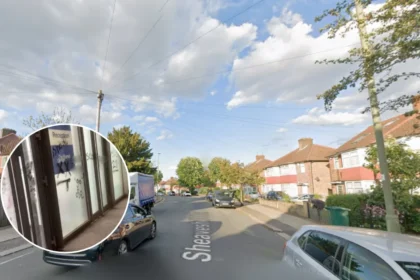
However, this regeneration drive arrives at a time of severe local friction. As detailed by reporter Philip James Lynch of MyLondon, residents in Southall have vociferously raised alarms regarding escalating rates of fly-tipping and anti-social behavior across their commercial zones. This deterioration in public cleanliness has coincided with an influx of open narcotics usage, a trend that local community members link directly to a controversial administrative decision: the relocation of a local drug addiction treatment medical centre.
Illustrating the stark reality on the ground, local resident Herpreet Nirwal provided a harrowing eyewitness testimony to the Local Democracy Reporter. As reported by Philip James Lynch of MyLondon, Herpreet Nirwal stated that “there are people, they will sit on our road and they will openly smoke a crack pipe.”
In response to these specific, compounding community anxieties, Ealing Council issued an official statement attempting to separate the medical facility from the broader rise in street crime. While local authority spokespersons explicitly acknowledged that such anti-social behaviour is completely “unacceptable,” they countered the neighborhood consensus by arguing that there remains “no evidence that the current issues are being caused by the relocation” of the addiction treatment centre. The upcoming high street makeover fund is therefore viewed by many as a vital mechanism to physically reclaim and clean up public areas that have become blighted by systemic neglect.
Explore more Ealing News:
UWL and Hounslow Council Celebrate Free Skills Course Graduates: Ealing 2025
NatWest Warns of Driving Test Scams in Ealing 2026
How Will Local Residents and ‘Town Teams’ Influence the Allocation of Regeneration Funds?
Defying traditional top-down municipal governance models, Ealing Council’s ‘Pride in Place’ programme intends to pioneer a highly collaborative approach to public spending. Rather than allowing bureaucrats in town halls to unilaterally dictate architecture, paving, lighting, or greening choices, the local authority will hand significant co-design powers directly over to the citizenry.
The primary vehicle for this democratic experiment will be the establishment of localized “town teams.” According to the operational frameworks revealed by MyLondon, each individual town team will comprise a structured group of 10 to 15 volunteer residents. These volunteers will have undergone a formal application process to represent their specific geographic neighborhoods. To ensure an equitable distribution of viewpoints, these residents will work in direct lockstep with local business owners, representative faith groups, and elected ward councillors.
To ensure that the volunteer town teams are insulated from political favoritism, professional council officers are simultaneously launching a comprehensive “place analysis.” This technical review will cross-reference raw census data regarding deprivation indices against localized community needs. This analytical layer will be paired with widespread, borough-wide resident surveys. By combining empirical data with qualitative community feedback, the team spearheading the programme will formalize exactly how the community will “be empowered and enabled to co-design and co-deliver the programme.”
What Are the Next Steps for the Council’s Economy and Sustainability Scrutiny Panel?
Because the independent ‘Pride in Place’ programme represents a significant diversion of localized taxpayer funds, the entire framework is subject to rigorous institutional oversight before any physical contracts are signed or ground is broken. The project is currently defined as being in an early stage of tactical development, meaning the core strategy must be thoroughly refined by internal oversight bodies.
The primary responsibility for auditing and shaping this strategy falls upon Ealing Council’s specialized Economy and Sustainability Scrutiny Panel. This influential panel is chaired by Councillor Hitesh Tailor, the Labour representative for East Acton. The panel’s immediate mandate is to review the proposed funding formulas, evaluate the metrics used to identify deprivation, and provide an institutional critique of the community engagement models.
The Economy and Sustainability Scrutiny Panel is formally scheduled to convene on Thursday, July 9, at 7:00 pm. During this public proceeding, panel members will debate the administration’s proposals and deliver formal feedback regarding the efficacy of the planned high street upgrades. Should the oversight panel approve the strategic direction, the council intends to transition into advanced planning stages throughout the financial year. Barring any bureaucratic or budgetary complications, the first physical phase of Ealing’s independent high street makeover initiative is projected to officially launch to the public by April 2027.