Key Points
- Top Local Fraud: Driving lesson and test scams have emerged as the most frequently reported type of fraud among residents in Ealing over the past year.
- Age Demographics: NatWest bank data indicates that driving-related scams are the most common fraud type for under-35s in Ealing, whereas concert ticket scams top the list for residents aged 35 to 65.
- Regional Disparities: Neighbouring boroughs Brent and Harrow also suffered primarily from driving scams, while Hillingdon and Hounslow reported concert tickets as their leading scam category.
- Financial vs. Case Volume: Across Greater London, investment and cryptocurrency scams accounted for 48% of total financial losses, but high-volume purchase scams (including fake lessons and tickets) made up 69% of all reported cases.
- National Increase: The latest UK Finance Fraud Report revealed a 20% national rise in the total monetary value lost specifically to purchase scams over the past year.
- Community Response: NatWest is launching “Financial Foundations” workshops across London throughout the summer to educate the public on spotting warning signs and preventing personal fraud.
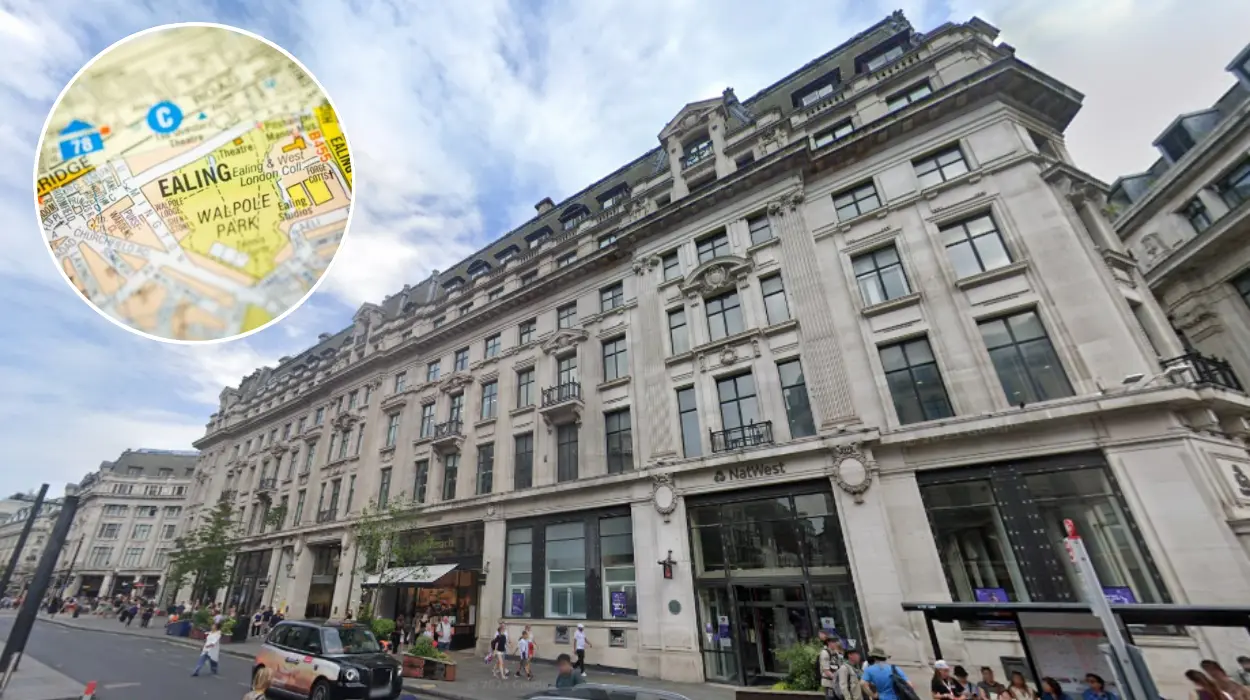
Ealing (Extra London News) July 3, 2026 – High-volume purchase scams targeting everyday activities have heavily impacted communities across West London, with driving lesson and driving test scams officially ranked as the most frequently reported fraud type affecting residents in the London Borough of Ealing over the past 12 months. According to an extensive data analysis conducted by retail banking giant NatWest, which evaluated local scam trends recorded between April 2025 and April 2026, fraudulent schemes offering fake driving services have drastically outpaced other forms of consumer fraud within the area. The banking group’s findings highlight a shifting landscape in criminal behavior, where fraudsters are increasingly tailoring their operations to exploit localized demand, younger demographics, and highly competitive consumer markets.
- Key Points
- Why are driving test scams targeting Ealing residents?
- Which age groups are most vulnerable to West London scams?
- How do scam trends compare across neighbouring London boroughs?
- What is the financial impact of purchase scams versus investment fraud?
- Is consumer purchase fraud increasing across the United Kingdom?
- How are financial institutions responding to localized crime?
- What steps can residents take to protect themselves from fraud?
The detailed data set indicates that the financial impact of these localized purchase scams extends far beyond Ealing’s borders, mirroring a broader regional and national escalation in criminal manipulation. While sophisticated investment and cryptocurrency schemes continue to claim the single largest share of stolen capital across Greater London as a whole, it is the more common, transactional marketplace frauds—such as non-existent concert tickets, counterfeit online shopping listings, and fraudulent driving instructions—that represent the vast majority of individual cases. In response to this growing threat to household finances, regional financial authorities and banking representatives are stepping up targeted public relations campaigns and community-based educational initiatives designed to disrupt standard criminal tactics before vulnerable consumers part with their hard-earned money.
Why are driving test scams targeting Ealing residents?
As reported by the editorial team of Ealing News, the sharp rise in driving-related fraud within Ealing is directly linked to the overwhelming volume of purchase scams currently flooding the local marketplace. Criminal networks have successfully identified acute pressure points in the lives of young residents, capitalizing on long waiting lists for official practical driving tests and a high demand for affordable vehicular instruction across West London.
By fabricating realistic social media advertisements, duplicate booking portals, and independent instructor profiles, these scammers entice desperate learners into paying upfront fees for services that simply do not exist. This highly localized focus ensures that unsuspecting applicants, particularly those eager to secure a test date or complete their licensing requirements rapidly, drop their guard under the pressure of limited supply.
Which age groups are most vulnerable to West London scams?
The analytical findings compiled by NatWest reveal a stark generational divide in how consumer fraud manifests across different age brackets within the borough. As documented by the reporting staff at Ealing News, driving lesson and driving test scams distinctly topped the list as the most commonly reported fraudulent activity among residents under the age of 35.
Conversely, the data demonstrates that older demographics face entirely different digital threats. For individuals aged between 35 and 65 residing in Ealing, concert ticket scams emerged as the single most prevalent form of reported purchase fraud. This statistical division suggests that illicit networks are intentionally optimizing their deceptive strategies, aligning their fraudulent offerings with the specific lifestyle priorities, digital habits, and immediate purchasing desires of distinct age groups.
How do scam trends compare across neighbouring London boroughs?
The geographical breakdown provided by NatWest shows that consumer fraud trends are heavily clustered across distinct local territories, though they frequently spill over administrative boundaries. As reported by Ealing News, Ealing’s immediate neighbours to the north, the boroughs of Brent and Harrow, recorded identical patterns, with driving lesson and driving test scams also documented as their most frequent consumer fraud complaints.
However, moving toward other edges of West London reveals a noticeable shift in criminal focus. In the neighbouring boroughs of Hillingdon and Hounslow, local data indicates that concert ticket scams bypassed driving fraud to take the absolute top spot for reported cases. The variation emphasizes that while fraud remains a universal threat across London, the exact mechanism used by criminals changes rapidly depending on localized community variables.
What is the financial impact of purchase scams versus investment fraud?
When evaluating the wider economic damage inflicted by criminal operations across the entirety of Greater London, a distinct discrepancy appears between the volume of cases and the total value of stolen funds. The comprehensive NatWest data shows that investment and cryptocurrency scams accounted for almost half—specifically 48%—of all money lost to fraudsters across London, due to the massive sums of capital typically extracted from individual victims in long-term fraudulent schemes.
Despite those massive individual financial losses, low-level purchase scams remain the dominant daily threat to the public. The investigation by Ealing News highlights that purchase scams—an expansive category encompassing fake driving lessons, fraudulent concert tickets, and deceptive online shopping platforms—made up a staggering 69% of all individually reported fraud cases. This means that while investment fraud strips away larger individual fortunes, purchase scams are successfully victimizing a vastly superior number of ordinary citizens on a routine basis.
Is consumer purchase fraud increasing across the United Kingdom?
The localized spike in West London fraud reflects a much larger, institutional trend occurring on a national scale. According to the latest UK Finance Fraud Report referenced within the banking analysis, the aggregate value of purchase scams increased by 20% nationally over the past year alone.
This significant double-digit growth underscores the severe challenges facing national law enforcement agencies, financial institutions, and digital platforms as they attempt to regulate online marketplaces and unauthorized payment channels. The national data confirms that deceptive advertising and unauthorized push payments (APP) have transitioned into highly efficient, high-yield mechanisms for organized crime syndicates operating throughout the United Kingdom.
Explore more Ealing News:
Southall Overrun by Crack Addicts Near Relocated Recovery Centre: Southall 2026
Ealing Ranked Among London’s Lowest-Cost Garden Waste Collection Boroughs: Ealing 2026
How are financial institutions responding to localized crime?
In light of these findings, banking executives are speaking out about the changing nature of modern criminal networks and the critical need for heightened localized awareness. As reported by the editorial staff of Ealing News, Catherine van Weenan, London and South East regional board chair at NatWest, stated that:
“Scams aren’t just becoming more sophisticated, they’re becoming more localised. From fake concert tickets to fraudulent driving lessons, criminals are targeting the things people are doing every day across London.”
To counter this highly targeted criminal approach, banking institutions are urging consumers to fundamentally alter their daily digital transactional habits. As further detailed by writer Catherine van Weenan of NatWest, introducing simple friction into digital payments is one of the most effective personal defenses available:
“Whether it’s sticking to trusted sellers, avoiding bank transfers when something doesn’t feel right, or simply taking a moment to pause before making a payment, these small actions can make a huge difference.”
What steps can residents take to protect themselves from fraud?
To actively mitigate the local threat and provide residents with actionable defense mechanisms, financial organizations are deploying educational resources directly into the affected communities. Ealing News confirmed that NatWest is actively running a series of specialized “Financial Foundations” workshops across various London locations throughout the summer season.
These public workshops are explicitly designed to assist attendees in recognizing common scam tactics, identifying subtle digital warning signs, and establishing robust personal safety protocols to safeguard their bank accounts from sophisticated fraud. Financial experts running these sessions advise consumers to always verify an independent driving instructor’s credentials through the official Driver and Vehicle Standards Agency (DVSA) register, utilize secure credit card payment methods rather than direct bank transfers, and remain deeply skeptical of any third-party services promising to bypass standard waiting lists for a premium fee.