Key Points
- Critical Rating: Fitzrovia Medical Clinic received the lowest possible rating of ‘Inadequate’ from the Care Quality Commission (CQC) following a comprehensive assessment.
- Clinic Closure: The private practice, run by Fitzrovia Medical Ltd, ceased all medical services on 30 June 2026 and closed down completely shortly after the publication of the regulatory report.
- Sepsis Training Deficiencies: Inspectors discovered major clinical training gaps, including staff members who were completely unable to demonstrate appropriate knowledge of sepsis recognition and emergency escalation pathways.
- Missing Emergency Equipment: The clinic lacked basic diagnostic tools, such as an on-site thermometer, and failed to stock six critical emergency medicines, including treatments required for seizures, meningitis, and croup in children.
- Follow-up Failures: A review of patient records revealed a total lack of effective failsafe tracking for abnormal test results, including an instance where a patient at risk of a serious condition received no documented specialist referral or follow-up care.
- Corporate Oversight Deficiencies: The regulatory watchdog issued two formal warning notices and placed the clinic into special measures due to systemic governance failures, incomplete staff recruitment files, and a total lack of an established operational strategy.
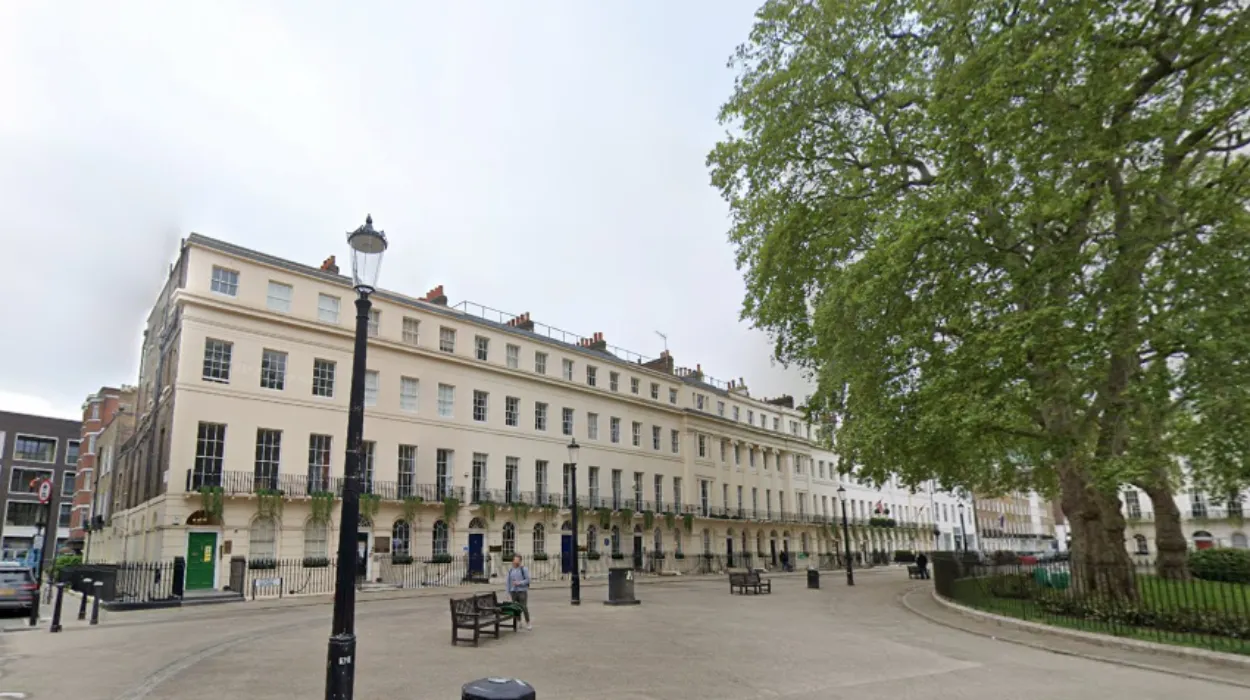
London (Extra London News) July 7, 2026 – A private medical clinic located in the affluent heart of Central London has officially shut its doors following a damning assessment by the independent healthcare regulator, which revealed profound patient safety risks, including an apparent inability among frontline staff to identify life-threatening symptoms of sepsis. Fitzrovia Medical Clinic, situated within the multi-facility Fitzrovia Hospital at 13-14 Fitzroy Square, was hit with an overall ‘Inadequate’ rating by the Care Quality Commission (CQC) following its first-ever formal inspection. The investigation exposed serious operational deficiencies ranging from a total lack of essential emergency medicines and clinical equipment to inadequate record-keeping and a failure to systematically follow up on high-risk, abnormal diagnostic test results. In response to the enforcement actions and the risk of being placed into special measures, the clinic’s operating entity, Fitzrovia Medical Ltd, took the decision to terminate all clinical operations and archive its services.
- Key Points
- Why Did The Fitzrovia Medical Clinic Face An Immediate Regulatory Crackdown?
- What Shocking Clinical Failures Did Care Quality Commission Inspectors Uncover?
- Was There An Immediate Risk To Patients Facing Life-Threatening Emergencies?
- Why Were Regulators Concerned About Sepsis Recognition And Patient Monitoring?
- How Did The Clinic Fail In Tracking High-Risk Diagnostic Results?
- What Did Case File Reviews Reveal About Missing Test Results?
- Were Clinical Records And Safety Advice Deemed Adequate?
- What Governance and Leadership Deficiencies Led To Special Measures?
- Why Was The Internal Leadership Judged To Be Inadequate?
- How Did The Clinic Handle Patient Feedback And Inclusivity?
- How Did The Clinic Respond To The Care Quality Commission’s Findings?
- What Was The Official Statement From Fitzrovia Medical Clinic Management?
- When Did The Service Officially Close Its Doors?
- What Are The Current Care Quality Commission Ratings For This Service?
Why Did The Fitzrovia Medical Clinic Face An Immediate Regulatory Crackdown?
The enforcement action initiated by the care regulator followed a comprehensive, announced on-site inspection conducted to evaluate the baseline standards of the independent medical provider. As reported by Andy Ford, the Care Quality Commission’s Deputy Director of Primary and Community Care in London, the investigation highlighted structural failures across multiple areas of safety, effectiveness, and operational leadership. The clinic, which offered private face-to-face and remote General Practitioner (GP) consultations, diagnostic testing, surgical procedures, and family planning services to both adult and child patients, failed to satisfy basic statutory requirements.
According to official administrative disclosures published in the formal CQC assessment report, the facility was found to be in direct breach of legal regulations concerning safe care, treatment protocols, and good governance. While the clinic maintained a total paper registry of approximately 400 individuals, management acknowledged that the vast majority were entirely inactive, with clinicians seeing an average of only one to two active patients per week. Despite this incredibly low volume of clinical traffic, the regulatory body determined that the structural oversight was insufficient to guarantee individual patient welfare, culminating in the issuance of two urgent warning notices to focus corporate attention on rectifying immediate clinical hazards.
What Shocking Clinical Failures Did Care Quality Commission Inspectors Uncover?
Was There An Immediate Risk To Patients Facing Life-Threatening Emergencies?
The specific evidence compiled within the regulatory documentation detailed an array of clinical omissions that left the clinic unequipped to handle acute medical crises. As reported by journalist Josef Steen of The Fitzrovia News, inspectors conducting the on-site evaluation discovered that there was no functional medical thermometer anywhere on the clinic premises. Furthermore, the CQC identified that six fundamental emergency medicines were completely absent from the facility’s dedicated emergency kit bag. These missing pharmaceuticals included vital treatments specifically designated for managing acute seizures, croup in pediatric patients, and bacterial meningitis.
When questioned by inspectors regarding these severe supply-chain omissions, the clinic management stated that alternative emergency provisions could technically be sourced from other independent departments operating within the wider hospital structure. However, the CQC report concluded that this arrangement had never been formally coordinated or communicated to frontline staff. No documented risk assessments had been performed to analyze the safety implications of keeping emergency medications entirely off-site, representing a clear breach of national healthcare guidelines and introducing what the regulator termed a “serious risk in a real emergency.”
Why Were Regulators Concerned About Sepsis Recognition And Patient Monitoring?
The inspection exposed an absence of standardized training regimes among the clinic’s small pool of healthcare professionals. As reported by Katherine Gray, a Local Democracy Reporter writing for the Evening Standard, the CQC assessment explicitly highlighted that staff members were unable to demonstrate adequate clinical knowledge regarding the rapid recognition of sepsis symptoms or the established procedures required for the urgent escalation of deteriorating patients. Sepsis, a catastrophic physiological reaction to an infection that can cause rapid organ failure and death if untreated, requires immediate intervention.
The regulatory report observed that at least one key clinical staff member had completely failed to complete mandatory training modules in multiple essential fields. These deficiencies included:
- Acute sepsis recognition and management
- Safeguarding procedures for children and vulnerable adults
- Basic fire safety protocols
- Learning disability and autism awareness
The inspection team discovered that the clinic possessed no formal internal triaging process. Frontline personnel lacked clear operational instructions explaining how to handle patients presenting with urgent physiological concerns, leaving them without guidance on where to direct individuals requiring emergency tertiary care.
How Did The Clinic Fail In Tracking High-Risk Diagnostic Results?
What Did Case File Reviews Reveal About Missing Test Results?
A meticulous tracking review of historical patient electronic case files by CQC inspectors indicated systemic failures regarding diagnostic loop closure and basic clinical continuity. As reported by Andy Ford of the Care Quality Commission, a random sampling of the clinic’s internal medical records brought to light a case where an individual’s diagnostic test results clearly indicated a high risk of an exceptionally serious clinical condition. Despite the gravity of the data, the clinic was entirely unable to produce any evidence demonstrating that an appropriate clinical follow-up had been organized, or that a specialist consultation or formal referral had been offered to the affected patient.
The regulator noted that there was no active internal system designed to identify, flag, or track high-risk individuals. The clinic’s standard operational flow dictated that diagnostic test results were primarily communicated to patients via dictated letters sent through regular mail rather than direct, real-time contact. Furthermore, the inspection established that routine follow-up consultations were never systematically generated by the clinic; instead, they occurred exclusively if the patients proactively reached out, booked, and paid for an additional appointment out of pocket. This passive approach left individuals entirely vulnerable to missing critical health information.
Were Clinical Records And Safety Advice Deemed Adequate?
The CQC evaluation also criticized the quality of standard clinical consultations and record-keeping practices. In the official inspection report published on June 19, the regulatory team declared that the clinic did not maintain effective systems to ensure that medical histories were filled out consistently, fully, or accurately. Specifically, clinical notes frequently omitted detailed clinical assessments and failed to record explicit, tailored “safety-netting” advice.
Safety-netting is the clinical practice of providing a patient with highly detailed instructions regarding which “red flag” symptoms—such as unexpected shortness of breath, unexplained drowsiness, or sudden cognitive confusion—should trigger immediate presentation to an emergency department. Because these warnings were not systematically documented or customized to the specific presenting complaints of the patients, the CQC ruled that the clinic could not guarantee that individuals were equipped to recognize signs of sudden physical deterioration. Additionally, the clinic failed to consistently execute or record standard patient identity verification checks, a fundamental safety measure designed to ensure that medical care and prescription pharmaceuticals are administered to the correct individual.
What Governance and Leadership Deficiencies Led To Special Measures?
Why Was The Internal Leadership Judged To Be Inadequate?
The structural issues extended directly to corporate management and internal governance systems, which were rated ‘Inadequate’ across the board. The service, legally registered under the corporate entity Fitzrovia Medical Ltd and managed by Dr William Chiew Lee Wong as the registered manager and nominated individual, was found to lack a coherent organizational strategy. As reported by Josef Steen of The Fitzrovia News, while the clinic’s employees widely described their immediate leaders as visible, approachable, and emotionally supportive, they were entirely unable to articulate a shared corporate vision, long-term strategic objectives, or defined organizational values unique to the practice.
The care commission’s report assigned an incredibly low operational score of just 1 out of 100 for the specific category of “shared direction and culture.” The administrative audit found that personnel recruitment files and historical training registries were completely disorganized and incomplete. Furthermore, the corporate leadership failed to implement an effective internal mechanism for receiving, reviewing, recording, or acting upon national patient safety alerts issued by the government, meaning that critical updates regarding dangerous drug interactions or faulty medical equipment could pass entirely unnoticed by practicing clinicians.
How Did The Clinic Handle Patient Feedback And Inclusivity?
The CQC noted that the clinic’s leadership did not possess the necessary mechanisms to collect, analyze, or utilize patient feedback to drive quality improvements. During the on-site inspection, investigators found that a public QR code prominently displayed within the waiting area, which was intended to allow patients to easily log feedback, was completely non-functional. Management stated to inspectors that they relied almost exclusively on informal, verbal feedback delivered during face-to-face consultations or on public Google reviews. However, the inspection team found zero written evidence that any feedback received through these channels had ever been compiled, evaluated, or translated into actionable clinical changes.
The clinic also fell short in terms of basic accessibility and clinical adaptability. The digital intake forms utilized for remote online patient bookings contained no sections inquiring whether an individual required specific physical or cognitive adjustments. While inspectors noted that certain clinical staff members occasionally inquired about individual adjustment needs verbally during a consultation, these responses were rarely entered into the permanent medical records, limiting the clinic’s capacity to provide structured, long-term inclusive care.
Explore more Westminster News:
Labour Backlash Over Fined Firm Keltbray Contract: Westminster 2026
Westminster Council Tax Could Double After Severe Funding Cuts: London 2026
How Did The Clinic Respond To The Care Quality Commission’s Findings?
What Was The Official Statement From Fitzrovia Medical Clinic Management?
Following the conclusion of the inspection and ahead of the report’s public release, the clinic’s administration sought to address the regulatory findings while preparing for operational wind-down. As reported by journalist Josef Steen of The Fitzrovia News, an official corporate spokesperson for the Fitzrovia Medical Clinic provided a formal statement to the Local Democracy Reporting Service (LDRS) addressing the enforcement actions, stating:
“We acknowledge the publication of the CQC report. We take all regulatory findings seriously and have carefully reviewed the report. We remain committed to patient safety, quality improvement and maintaining appropriate standards of care.”
The clinic’s corporate leadership further emphasized that the severe deficiencies detailed in the CQC documentation primarily represented an unrepresentative “historic” window of operation that occurred well in advance of their ultimate corporate decision to discontinue services. The provider reassured the public that throughout the immediate regulatory wind-down and closure period, no active patients remained under the care of the service, thereby preventing any ongoing exposure to the safety hazards highlighted by the regulator.
When Did The Service Officially Close Its Doors?
Despite the clinic’s stated willingness to review the care commission’s findings, the severity of the enforcement notices and the administrative burden of operating under special measures prompted an immediate cessation of business. As reported by Katherine Gray of the Evening Standard, within 12 days of the report’s formal publication, the clinic’s operations were entirely halted. A digital notice posted on the provider’s primary website confirmed that Fitzrovia Medical Clinic would officially cease providing all medical services on 30 June 2026 and close permanently thereafter. On 1 July 2026, the Care Quality Commission officially modified the clinic’s status to “archived” on its regulatory registry, bringing a permanent end to the private practice’s brief and highly controversial period of operation in the capital.
What Are The Current Care Quality Commission Ratings For This Service?
| Key Assessment Area | CQC Rating Assigned |
| Overall Rating | Inadequate |
| Safe | Inadequate |
| Effective | Inadequate |
| Caring | Requires Improvement |
| Responsive | Requires Improvement |
| Well-led | Inadequate |