
Key Points
- Westminster City Council’s former Labour administration faces sharp criticism for awarding a £3 million demolition contract to Keltbray, a construction firm heavily penalised for bid rigging.
- The UK market regulator, the Competition and Markets Authority (CMA), fined Keltbray £16 million in March 2023 for price collusion and ‘cover bidding’, a penalty that rose to £18 million in December 2024 following a failed appeal.
- In July 2025, the value of Keltbray’s contract for the Church Street regeneration scheme inflated by over 100 percent to £6,310,634 due to unforeseen on-site complications, including undiscovered basements and asbestos.
- The newly elected Conservative administration, which took control of the council in May 2026, has initiated a comprehensive review of all local authority contracts valued over £5 million, citing weak due diligence under Labour.
- Labour Group Leader Councillor Ellie Ormsby robustly defended the procurement decision made by her predecessor, asserting that out of ten total bids, only two companies were technically capable of delivering the project—both of which had been implicated in cover bidding practices.
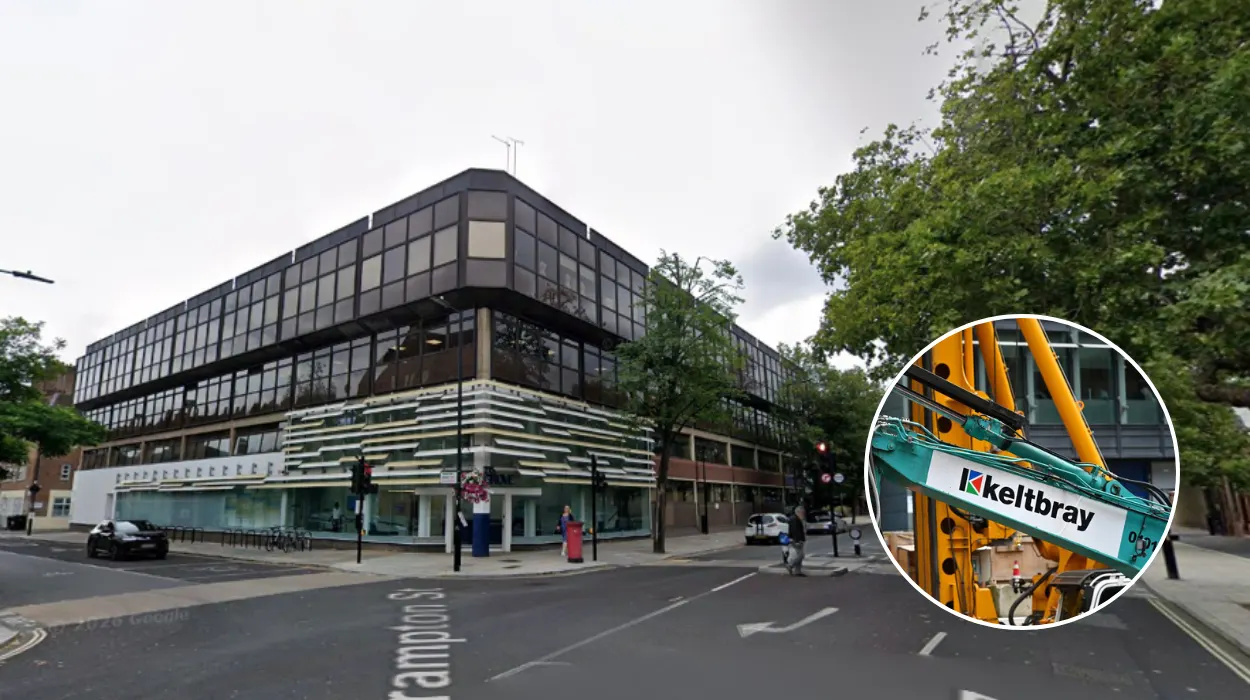
Westminster (Extra London News) July 06, 2026 — The former Labour administration of Westminster City Council has come under severe political fire following revelations that a major urban renewal contract was handed to a demolition company previously fined millions of pounds by a UK watchdog for illegal bid rigging. Local opposition figures have condemned the decision to award public funds to Keltbray, a commercial building contractor penalised by the Competition and Markets Authority (CMA) for anticompetitive behavior. In response to the growing political backlash, Labour officials have staunchly defended the procurement process, asserting that an exceptionally restricted market left the local authority with a “limited pool” of viable, technically qualified engineering firms capable of safely executing the structural works.
- Key Points
- Which Council Members Raised Concerns Over the Keltbray Demolition Contract?
- How Did Keltbray’s Financial Penalties Escalate over the Tender Period?
- Why Did the Church Street Regeneration Project Costs Double in Size?
- How Has the Westminster Labour Group Defended the Commercial Selection?
- What Are the Broader Political Ramifications for Westminster Taxpayers?
The building firm at the heart of the municipal controversy, Keltbray, was originally issued a £16 million financial penalty by the CMA in March 2023. The enforcement action came after the independent government regulator discovered that the enterprise had actively colluded on pricing structures when submitting commercial tenders for competitive construction contracts. Keltbray was one of ten independent construction firms that were collectively penalised nearly £60 million by the CMA for engaging in illicit, coordinated bidding cartels.
According to official regulatory findings published by the CMA, the bids across the sector were systematically rigged by one or more of the participating construction firms. The companies secretly agreed to submit bids that were deliberately and artificially priced to lose the tender. This anti-competitive corporate practice, professionally recognized within the commercial sector as ‘cover bidding’, can artificially inflate market rates and directly result in public sector clients paying substantially higher costs or receiving lower quality infrastructural services.
Which Council Members Raised Concerns Over the Keltbray Demolition Contract?
The controversial procurement choice has been thrust into the parliamentary and municipal spotlight following a transition of power within the borough. As documented by local government reports, a political shift occurred during the local elections in May, allowing the Conservative Party to regain administrative control of Westminster City Council. Following this political realignment, the newly installed Conservative cabinet has made contract scrutiny a central component of its fiscal oversight strategy.
As reported by journalist Katherine Gray of MyLondon, Conservative Councillor Paul Fisher, who now serves as the Cabinet Member for Value for Money and Finance, publicly called out the historical decision at a recent meeting of the Value for Money and Transformation Policy and Scrutiny Committee held on Monday, June 29. Addressing the assembled committee, Councillor Fisher questioned the baseline procedural standards applied by the previous political leadership. As recorded in the committee’s official minutes, Councillor Fisher asked:
“My question to members of the council is – insofar as we can do, don’t we want to avoid that? Through proper due diligence and contract management.”
The ongoing row over municipal spending comes as the incoming Conservative leadership solidifies its promise to carry out an exhaustive, independent review of all historical and active council contracts exceeding a valuation of £5 million. Local Conservative representatives argue that the previous executive team failed to implement necessary corporate protections when distributing taxpayers’ money.
How Did Keltbray’s Financial Penalties Escalate over the Tender Period?
The timeline of Keltbray’s regulatory infractions shows that the firm’s legal battles continued concurrently alongside its engagement with the local authority. Despite the initial enforcement ruling handed down by the CMA in early 2023, the construction firm sought to legally challenge the scale of the financial penalty. However, this legal strategy ultimately resulted in a heavier financial burden for the corporate entity.
As detailed by Katherine Gray of MyLondon, Keltbray’s corporate fine was further increased to £18 million in December 2024. This escalation followed a failed legal appeal launched by the construction firm, which was subsequently dismissed by the relevant judicial tribunal, forcing the company to absorb a larger regulatory penalty.
Furthermore, a political statement published on the official press portal of the Cities of London & Westminster Conservatives detailed the partisan dimensions of the financial dispute. In a public press release, a spokesperson for the Westminster Conservatives stated that the borough’s taxpayers were exposed to unnecessary fiscal risks, writing that the
“Labour’s Councillor Ormsby signed off a £3 million overspend on a demolition contract with a firm that had already been fined for bid rigging by the Competition and Markets Authority. Fined, appealed, lost, paid more. Labour awarded them £3 million of taxpayers’ money anyway.”
Why Did the Church Street Regeneration Project Costs Double in Size?
The controversy surrounding the demolition firm has been compounded by significant budgetary expansions encountered during the operational phase of the development. The original commercial agreement, which allocated £3 million of public capital for demolition works related to the high-profile Church Street regeneration project, experienced a massive fiscal adjustments mid-contract.
As reported by MyLondon, in July 2025, the total contract value awarded to Keltbray by Westminster City Council was officially increased by over 100 percent, culminating in a revised total allocation of £6,310,634. This significant budgetary revision was approved after on-site engineers discovered that substantial additional works would be mandatory to achieve project completion.
The rapid inflation of the contract value has been heavily criticized by the council’s current political leadership, who link the extra expenditures to a wider pattern of administrative oversight failures. According to the official press release from the Cities of London & Westminster Conservatives, the local party alleged that the financial inflation was emblematic of a systemic issue, asserting that
“Labour’s culture of weak due diligence” has directly contributed to a broader financial crisis, adding that “Local taxpayers are paying twice for Labour’s reckless incompetence after they left this council in an unprecedented financial crisis.”
Explore more Westminster News:
Westminster Council Tax Could Double After Severe Funding Cuts: London 2026
Westminster Seizes Dangerously Parked E-Bikes in Central London 2026
How Has the Westminster Labour Group Defended the Commercial Selection?
In the wake of the sustained political attacks from the Conservative cabinet, the leadership of the Westminster Labour Group has mounted a comprehensive defense of the historical procurement scheme. The party argues that the realities of the UK construction market left the local authority with no practical alternative if the critical housing and regeneration project was to move forward.
As reported by Katherine Gray of MyLondon, Councillor Ellie Ormsby, the current Leader of the Westminster Labour Group, defended the administrative decision to utilise Keltbray, explaining that the company was one of only two entities “technically capable of delivering the work.” Crucially, Councillor Ormsby revealed that both of those capable entities had been implicated by regulators for participating in historical cover bidding practices.
Speaking directly to the Local Democracy Reporting Service (LDRS), Councillor Ormsby clarified that the formal decision to award this specific contract, which originally received a total of ten competitive bids from various market operators, was officially undertaken by her administrative predecessor. Out of the ten initial corporate submissions received by the council, five of the bidding enterprises had previously been found by the market regulator to have engaged in illicit cover bidding.
Defending the micro-selection process, Councillor Ormsby stated to the LDRS:
“Given the limited pool of suitably qualified contractors, there were no viable alternative bidders who met the technical requirements of the project. Who would the Conservatives have appointed instead: a company that was not technically capable of delivering the work, or one that was significantly more expensive?”
Addressing the separate controversy regarding the subsequent 100 percent cost inflation of the works, Councillor Ormsby explained that once physical demolition commenced on the Church Street site, structural issues emerged that “could not reasonably have been identified beforehand”. According to the Labour Group Leader, these hidden site hazards included previously unmapped subterranean basements and hazardous pockets of structural asbestos.
Councillor Ormsby added in her statement to the LDRS:
“Addressing these issues was essential to ensure the work could be carried out safely and resulted in a change to the project’s scope and, consequently, the contract value. The extra work would have been needed whoever had the demolition contract.”
What Are the Broader Political Ramifications for Westminster Taxpayers?
The local dispute over the Keltbray contract has evolved into a wider ideological conflict regarding fiscal responsibility, municipal debt, and corporate due diligence within Zone 1 London governance. The local Conservative association has attempted to link the demolition dispute to other historical procurement arrangements signed under the previous Labour executive.
In their official communications, the Cities of London & Westminster Conservatives claimed a wider pattern of financial mismanagement, stating that a separate contract involving an infrastructure provider named Geoffrey Osborne had also collapsed, alleging that
“Labour’s Councillor Boothroyd signed off a contractor without proper due diligence in 2022. It cost Westminster £27 million to clean up after the company collapsed.”
The Conservative group summarized their position by stating that a total of
“£30 million of Labour waste” has been confirmed through their preliminary contract reviews.
Conversely, the Westminster Labour Group continues to reject the allegation of negligent due diligence, counter-arguing that unexpected structural remediation for toxic materials like asbestos and complex subterranean basements represent standard capital variables in dense, historical urban environments. As the newly installed Conservative administration proceeds with its mandatory audit of all active municipal contracts valued over £5 million, the operational history of the Church Street regeneration project is expected to remain a central point of debate within Westminster City Hall.