
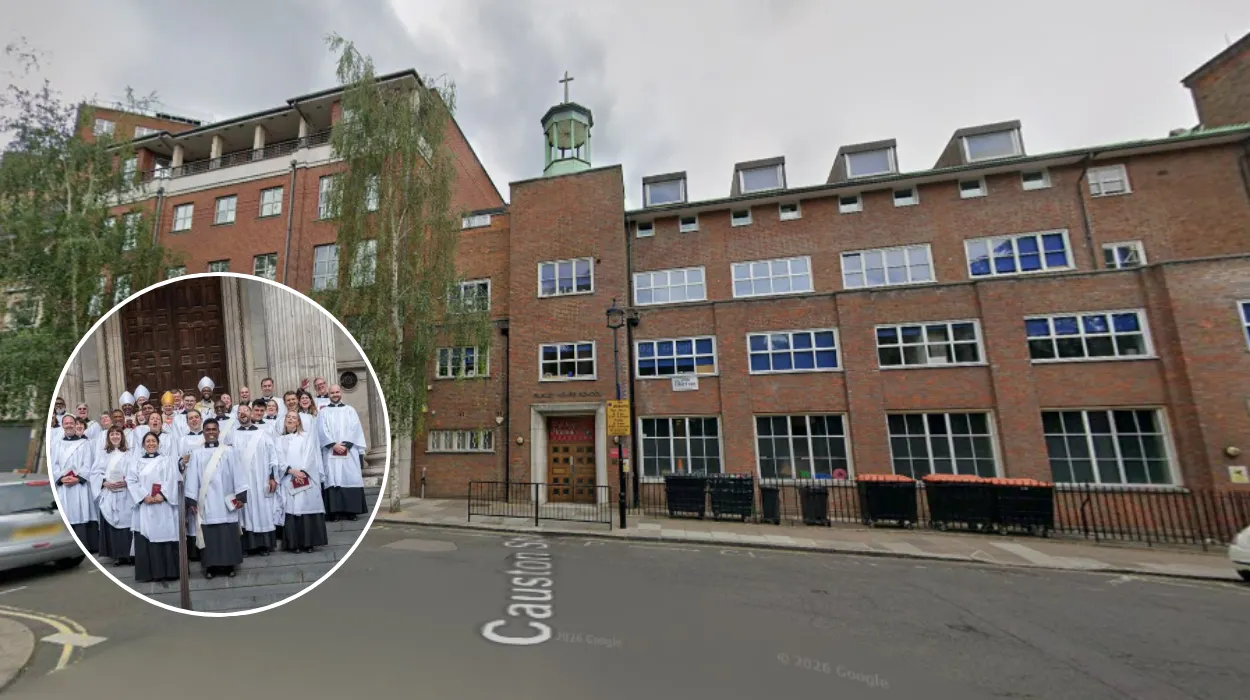
Key Points
- Ministry Commences: Four newly ordained deacons have officially begun their active ministry across several local churches located throughout North London.
- Geographical Distribution: The deacons are deployed within the boroughs of Camden, Barnet, Enfield, and Haringey, covering the Edmonton Area of the Diocese of London.
- Core Responsibilities: Key duties for the new ordinands include leading public worship, teaching scripture, and offering direct pastoral care to their respective communities.
- Step to Priesthood: In Church of England tradition, the office of deacon marks a critical transitional milestone on the journey toward full priesthood.
- Episcopal Endorsement: Rt Revd Canon Dr Anderson Jeremiah, the Bishop of Edmonton, emphasized that the cohort’s diverse backgrounds perfectly reflect the local population during a time of notable church growth.
London (Extra London News) June 29, 2026 — Four newly ordained deacons have officially stepped into their public ministries across a network of parishes in North London, marking a significant structural addition to the ecclesiastical team serving the region. Operating within the Diocese of London’s Edmonton Area, these ministers have been strategically deployed to meet the evolving spiritual and social needs of highly diverse urban boroughs. Their assignments span across Camden, Barnet, Enfield, and Haringey, where they will take on immediate, front-line responsibilities within their assigned church communities.
- Who Are the New Deacons Serving North London?
- What Role Will the Deacons Play in Camden, Barnet, Enfield, and Haringey?
- Why Is the Office of Deacon Critical to the Priesthood?
- How Does North London’s Changing Spiritual Landscape Impact This Cohort?
- What Did the Bishop of Edmonton Say About the Diversity of the Ordinands?
- What Are the Long-Term Expectations for Their North London Ministry?
The commencement of their service comes at a time when local Christian institutions are reporting a distinct shift in community engagement. According to diocesan records, the foundational duties of these new deacons will revolve around leading regular worship services, delivering theological teaching, and providing foundational pastoral care to residents. Within the hierarchical structure of the Church of England, the office of deacon is not merely a localized helper role but represents a vital, foundational step for ordinands on their long-term vocational journey toward the priesthood.
Who Are the New Deacons Serving North London?
The newly ordained cohort brings a wide array of life experiences to the Edmonton Area, a factor that church leadership views as essential for effective modern ministry. While individual assignments place them in distinct parishes ranging from inner-city Camden to suburban Enfield, they operate under a unified mandate to modernise outreach and support local church wardens.
Church of England ordinands typically complete years of rigorous theological training and psychological assessment before ordination. This specific group represents a mix of secular professional backgrounds and theological specialisms, allowing them to bridge the gap between traditional church structures and the secular realities of the communities they now serve. Their insertion into local leadership positions is designed to alleviate the administrative and pastoral pressures currently facing incumbent vicars across the capital.
What Role Will the Deacons Play in Camden, Barnet, Enfield, and Haringey?
As reported by church communication officers within the Diocese of London, the primary focus of a transitional deacon is to serve as a bridge between the church and the wider secular world. In practical terms, this means the four deacons will be tasked with animating social action projects, visiting the sick, and assisting in the administration of sacraments.
In the borough of Camden, ministry often intersects with high levels of economic disparity, demanding a focus on homelessness initiatives and youth outreach. Conversely, in the outer boroughs like Barnet and Enfield, the deacons’ roles may lean more heavily toward family ministries, interfaith dialogue, and managing expanding congregations. Haringey, known for its vibrant multicultural population, will require the ministers to engage deeply with diverse community groups, ensuring the church remains an inclusive and accessible hub for all residents.
Why Is the Office of Deacon Critical to the Priesthood?
The diaconate represents the first of three holy orders in the Church of England, the others being priest and bishop. While some choose to remain distinctive deacons permanently, most ordinands serve in this capacity for roughly one year before being considered for the priesthood. This period functions as an immersive, practical apprenticeship.
During this transitional year, the deacons are permitted to baptise, conduct funerals, and lead prayer, but they cannot yet consecrate the elements during Holy Communion or pronounce God’s blessing and absolution. This deliberate limitation keeps their focus squarely on service and pastoral availability. By learning to command the pulpit and manage pastoral crises under the supervision of experienced mentors, the deacons develop the practical resilience required for future parish leadership.
How Does North London’s Changing Spiritual Landscape Impact This Cohort?
The deployment of these ministers coincides with a notable trend in church attendance patterns across the capital. As documented by administrative staff writing for the Edmonton Area media team, churches in the region are currently observing a distinct influx of newcomers, a phenomenon that has re-shaped local ministerial priorities.
As reported by the editorial team of the Diocese of London News, Rt Revd Canon Dr Anderson Jeremiah, Bishop of Edmonton, stated that
“We are living in a moment when many churches are welcoming new people through their doors, including those exploring faith for the first time.”
This shifting landscape requires a specific approach from the new deacons, who are tasked with guiding individuals through initial inquiries about Christian theology while maintaining the stability of existing congregations.
Explore more Local London News:
Heathrow and Gatwick Flight Delays: Severe Thunderstorms Disrupt London Travel (2026)
Sadiq Khan Hailed ULEZ Air Pollution Falls in London 2026
What Did the Bishop of Edmonton Say About the Diversity of the Ordinands?
A central theme surrounding this year’s ordinations is the alignment between the personal backgrounds of the clergy and the demographics of the neighborhoods they oversee. Church leadership has increasingly prioritised deploying ministers who can authentically relate to the multicultural reality of modern London.
As reported by the communications department of the Diocese of London, Rt Revd Canon Dr Anderson Jeremiah, Bishop of Edmonton, noted that “Given that, it is wonderful to be ordaining and sending out new deacons who will serve as ministers of Christ’s love in parishes across the Edmonton Area.” The Bishop further expanded on the composition of the group, stating that “The breadth of experiences and backgrounds among these ordinands is one of the great strengths of this cohort, and it fittingly reflects the diversity of the communities of Camden, Barnet, Enfield and Haringey that make up this Area.”
What Are the Long-Term Expectations for Their North London Ministry?
The spiritual success of the Edmonton Area’s latest expansion relies heavily on how effectively these four individuals can embed themselves into local secular environments. The ultimate goal of their placement extends beyond the physical walls of the church buildings.
As recorded in the official diocesan address, Rt Revd Canon Dr Anderson Jeremiah, Bishop of Edmonton, concluded his charge to the community by saying, “I pray that their ministry will help people encounter God for themselves and deepen the life of the local Church.” Over the coming months, the performance and integration of these deacons will be closely monitored by rural deans and parish councils, setting the benchmark for how the Diocese of London approaches future ministerial deployments amid shifting urban demographics.