Key Points
- Complete Lift Failure: All three passenger lifts inside Royal Captain Court, a prominent residential tower block in Tower Hamlets, east London, have completely broken down simultaneously.
- Heatwave Triggered Outage: The structural mechanical failure was directly caused by an intense summer heatwave affecting the United Kingdom, forcing the systems to automatically switch to “fire safety mode.”
- Inhumane Conditions: The multi-storey residential complex lacks central air conditioning, leaving hundreds of vulnerable families and tenants trapped inside apartments with soaring indoor temperatures.
- Severe Physical Toll: Residents have been forced to navigate dark, stifling stairwells. A resident living on the 20th floor fainted mid-climb due to extreme thermal exhaustion and a lack of fresh air.
- Total Breakdown of Communication: Displaced tenants report a absolute lack of phone signal, safety cameras, or operational ventilation inside the exit stairwells, posing a severe life-safety threat.
- Corporate Contradictions: While property managers Sanctuary have issued an official apology acknowledging the disruption and claiming support has been deployed, angry residents explicitly deny receiving any tangible aid.
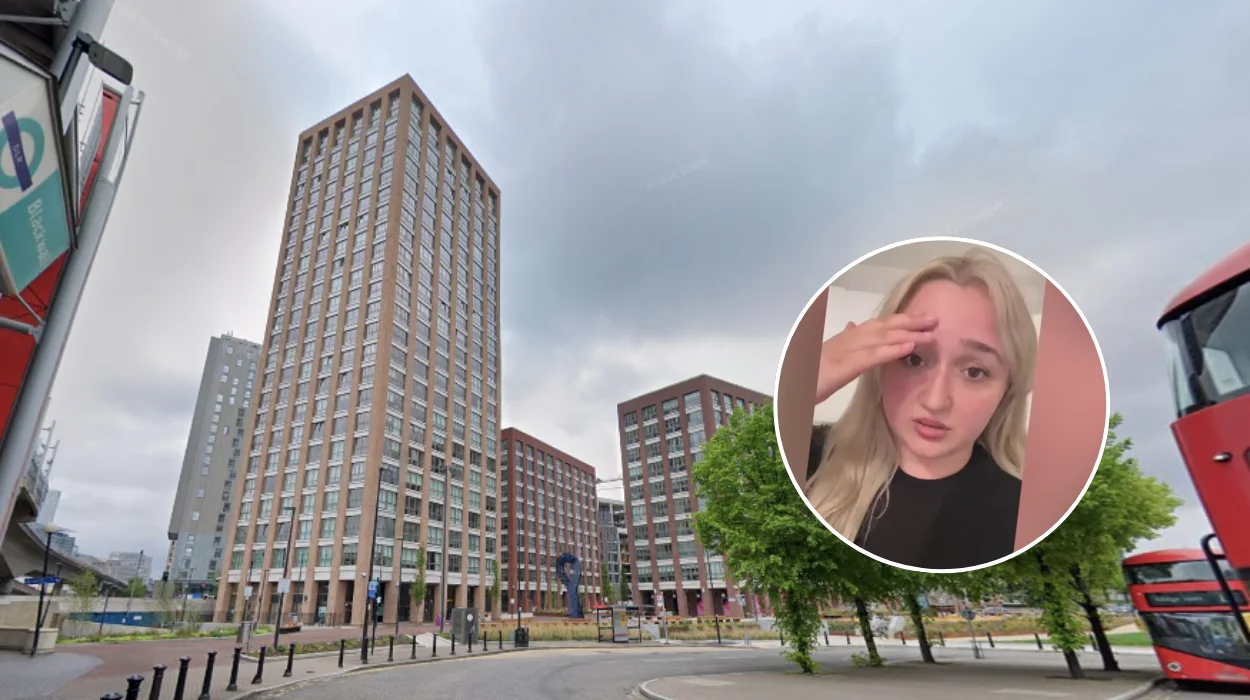
Tower Hamlets (Extra London News) June 24, 2026 – A severe operational crisis has unfolded in east London as hundreds of high-rise residents have been left stranded, physically exhausted, and desperate for immediate help after intense seasonal temperatures triggered a catastrophic multi-system failure within their building. All three passenger lifts at Royal Captain Court, a major residential tower block located in the Borough of Tower Hamlets, ceased operations concurrently on Monday. The failure has effectively cut off access for residents across dozens of floors, creating a structural trap during a historic regional heatwave. The building, which does not feature structural air conditioning, has rapidly transformed into a thermal box, forcing elderly, disabled, and young residents to navigate complex vertical climbs in unventilated concrete staircases to reach or leave their homes.
- Why did the lifts fail at Royal Captain Court?
- How are Tower Hamlets residents coping with the staircase conditions?
- What happened to the 20th-floor resident during the heatwave?
- How has Sanctuary property management responded to the crisis?
- Is emergency support actually reaching the affected tower residents?
- What are the long-term implications for high-rise tenant safety?
Why did the lifts fail at Royal Captain Court?
The technological failure that compromised the safety of the entire residential complex stems from built-in electronic emergency protocols reacting to high atmospheric temperatures. According to internal electronic correspondences and emergency emails dispatched by the property management group and seen by reporters, the sustained, extreme summer weather overwhelmed the internal mechanical systems.
As explicitly detailed in the investigative report by the journalism team at the BBC, the technical documentation and direct corporate electronic mail sent from the property managers to the leaseholders and tenants explained that the recent hot weather had directly caused the machinery to systematically shift into an emergency “fire safety mode.” Once this thermal threshold was breached and the electronic safety mode was engaged, the programming systematically locked out manual or automated use, causing all three units to completely stop working at the same moment. This safety mechanism, meant to prevent fires in lift motor rooms, has paradoxically triggered a secondary health and safety emergency for the vulnerable population living inside the structure.
How are Tower Hamlets residents coping with the staircase conditions?
With the entirety of the vertical transport grid offline since the start of the week, residents have faced an agonizing physical challenge. The internal structural design of Royal Captain Court leaves those who choose to ascend or descend the tower completely isolated from the outside world during their journey.
As reported by journalists at the BBC, Tina Wang, a prominent resident living high up on the 20th floor of the affected high-rise tower block, described a terrifying ordeal that highlights the dangerous conditions within the building’s infrastructure. Wang stated that the internal exit staircase was “extremely hot,” creating an oppressive environment for anyone attempting the climb. In a detailed breakdown of the structural hazards within the stairwell, Wang added: “There’s no cameras, there’s no ventilation, there’s no signal, so if something happens, there’s no way to contact anyone.” These physical factors mean that any resident experiencing heat stroke, respiratory distress, or cardiovascular failure during the heavy physical exertion of climbing dozens of flights of stairs would remain completely cut off from emergency contact networks.
What happened to the 20th-floor resident during the heatwave?
The real-world danger of these unventilated corridors was fully realized on Tuesday evening when the physical strain of climbing twenty consecutive flights of stairs in extreme heat led to a medical emergency.
As reported by the BBC, the physical toll of the climb caused Wang to lose consciousness entirely halfway up her journey to her flat. The resident fainted on the stairs due to thermal exhaustion. Recounting the frightening moments surrounding her collapse and her subsequent escape from the tower block, Wang stated: “Thank goodness my flatmate knew that I was in the staircase, so she ended up coming to help, but if it wasn’t for that, I don’t know what I would have done to be very honest.” Following the fainting episode, Wang felt forced to leave her home for her own safety, participating in what she described as a “self-evacuation” from the asset. However, this emergency departure has left her temporarily unhoused, with the resident noting that she simply did not know where she was going to sleep moving forward.
How has Sanctuary property management responded to the crisis?
The escalating crisis has drawn sharp criticism toward the housing provider responsible for maintaining the mechanical integrity and emergency response protocols of Royal Captain Court. The property managers, operating under the corporate brand name Sanctuary, have stepped forward to issue an official acknowledgement of the mechanical breakdown, though their statement stands in stark contrast to the lived reality reported by their tenants.
As recorded in the original news coverage by the BBC, corporate representatives for the property managers, Sanctuary, have publicly apologised to the affected residents for what they termed a “highly disruptive” outage. Furthermore, the corporate leadership team at Sanctuary officially stated that targeted support was actively being offered to the residents within the Tower Hamlets block to mitigate the severe impact of the lift closures.
Explore more Tower Hamlets News:
Kit McKay Named New Ranger at Tower Hamlets Cemetery Park, London 2026
£520m Housing Retrofit Tender Launched: Tower Hamlets 2026
Is emergency support actually reaching the affected tower residents?
Despite the reassuring statements issued by corporate public relations teams, an immense disconnect remains regarding the actual delivery of emergency aid, water, or logistical assistance on the ground.
As reported by the BBC, the community of residents inside Royal Captain Court have firmly contradicted the property manager’s claims, stating clearly that no physical help or real operational support had been offered to them as yet. The lack of direct engagement has left individuals feeling abandoned by their housing provider during a dangerous environmental event. Wang expressed the deep emotional and psychological toll of this perceived negligence, stating to reporters: “I don’t think that this is humane.” She further elaborated on the profound isolation felt by those trapped in the high-rise, stating: “I’ve never felt so helpless before in a situation. This heatwave is an emergency in itself, added to this lift situation. I can’t even comprehend what to do.”
What are the long-term implications for high-rise tenant safety?
The ongoing crisis at Royal Captain Court raises broader urban planning and regulatory questions regarding how modern residential towers manage infrastructure failures during climate anomalies. When property managers fail to provide timely communication or relief during infrastructure failures, tenant confidence breaks down entirely.
As documented by the BBC, the total absence of operational support and the ongoing silence from management has broken the trust of long-term occupants. Reflecting on her attempts to establish a line of communication with the corporate entities, Wang stated that she has not received “any replies” from Sanctuary regarding her emergency situation or her collapse in the stairwell. This complete breakdown in tenant relations has led to long-term relocation choices, with Wang adding that the entire traumatic experience had left her with no choice but to seriously consider moving out of the development entirely. The silence from housing providers during infrastructure failures underscores a growing need for stricter oversight in high-rise building management.