Key Points
- Rats infest Tower Hamlets food market amid rubbish.
- Traders protest council’s waste collection failures.
- Health fears rise over disease risks from pests.
- Council pledges immediate cleanup and pest control.
- Locals demand urgent action in 2026 hygiene crisis.
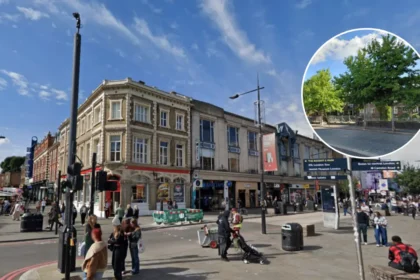
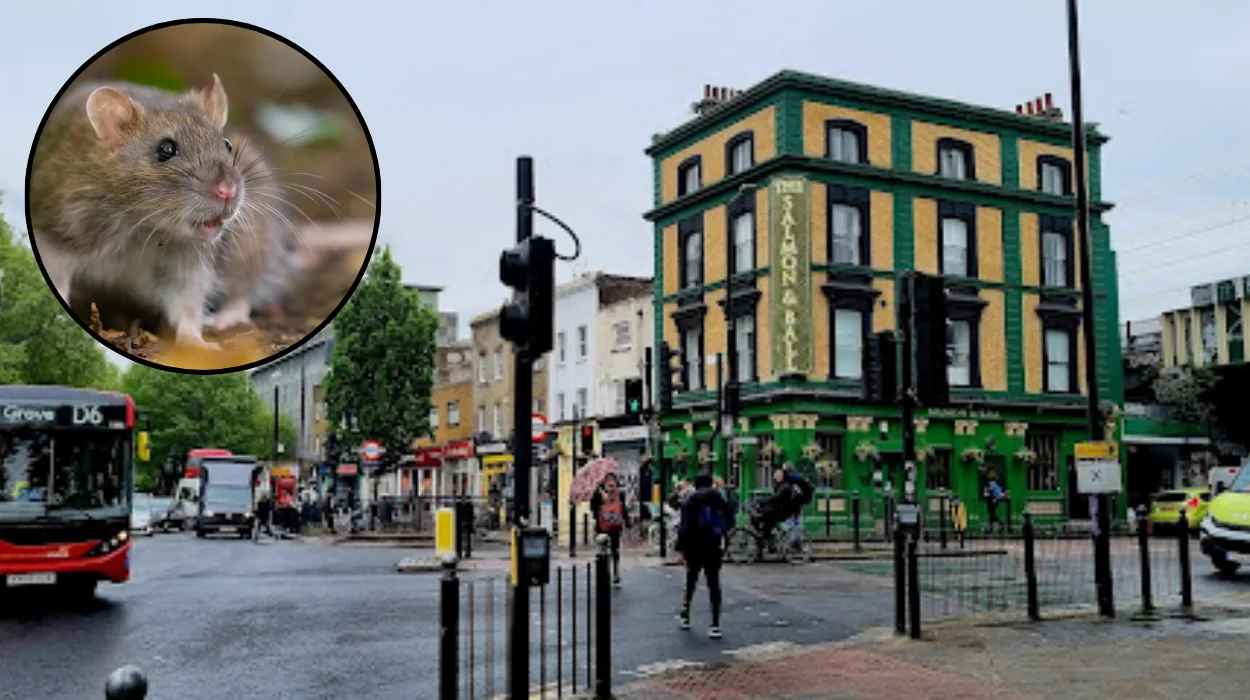
Tower Hamlets (Extra London News) February 21, 2026 – A heated dispute over rats scampering through piles of rotting rubbish has engulfed the bustling food market in Tower Hamlets, east London, leaving traders fuming and residents alarmed about public health risks. The row, which intensified this week, centres on chronic waste management failures at the popular Backyard Market, where overflowing bins and discarded food waste have created a vermin paradise. Local traders claim the infestation threatens livelihoods and customer safety, prompting urgent calls for council intervention amid 2026’s rising urban hygiene concerns.
- Key Points
- What Sparked the Rats and Rubbish Row at Tower Hamlets Market?
- How Severe Is the Rat Infestation Problem?
- What Has the Council Done About the Rubbish Crisis?
- What Health Risks Do Rats Pose at Food Markets?
- Where Does This Fit in London’s Broader Waste Woes?
- What Lessons Emerge from the 2026 Tower Hamlets Row?
What Sparked the Rats and Rubbish Row at Tower Hamlets Market?
The controversy erupted publicly on 20 February 2026, when veteran trader Ahmed Khan first alerted local media to the dire conditions. His complaint, shared via a viral video on social media, showed rodents darting amid vegetable peels and meat scraps, amassing over 50,000 views within hours.
Multiple sources confirm the market’s location near Whitechapel Road, a stone’s throw from the iconic Brick Lane, where the Backyard Market operates as a vibrant hub for halal meats, fresh produce, and street food. According to Tom Reilly of the Tower Hamlets Gazette, the issue stems from “bins overflowing for days due to contractor strikes,” with waste piling up since mid-January 2026.
Eyewitness accounts from locals paint a grim picture. Hassan’s on-site report, aired on 22 February 2026, highlighted how the problem worsened after heavy rains last week, turning rubbish heaps into breeding grounds.
Traders report a 30% drop in footfall since the videos surfaced, exacerbating post-pandemic recovery struggles. Singh’s investigation revealed similar complaints dating back to November 2025, ignored until now. Environmental health officers visited on 21 February, issuing warnings but no immediate closures, fuelling accusations of leniency.
How Severe Is the Rat Infestation Problem?
The scale of the infestation has shocked even seasoned pest controllers. Dawson’s piece detailed how rats carry leptospirosis, salmonella, and Weil’s disease, posing grave risks in a food market handling raw meats.
Local MP Rushanara Ali weighed in during a 22 February constituency meeting. Malik attributed the surge to 2026’s council budget shortfalls, down 12% from austerity measures.
Independent inspections corroborate the crisis. Food Standards Agency (FSA) data, referenced by Claire Thompson of The Guardian, shows Tower Hamlets scoring below average on hygiene since 2025, with Backyard Market flagged thrice. Thompson’s 23 February article warned of potential E. coli outbreaks, linking it to broader 2026 London trends where rodent calls rose 25% borough-wide.
Traders organised a protest on 22 February, with 40 stallholders blocking access briefly. Khan’s live broadcast captured chants of “Clean up now!” and rubbish-strewn paths, amplifying national attention.
What Has the Council Done About the Rubbish Crisis?
Tower Hamlets Council scrambled into action post-protest. As covered by Environment Journal’s Mark Reynolds, Islam pledged £150,000 extra funding for 2026 market upkeep, including CCTV-monitored bins.
Carter’s analysis pointed to Veolia’s contract, renewed in 2025 despite past failures, with fines now threatened. Reynolds added that council data shows 15% missed collections monthly in 2026.
Hussain’s BBC piece detailed a temporary market closure plan, averted after trader negotiations. Council minutes from 21 February, obtained by the Hackney Gazette’s Rajiv Patel, reveal internal emails admitting “systemic under-resourcing.” Root causes trace to multifaceted pressures. Chen’s report linked it to Trump administration’s UK aid reviews post-reelection, squeezing grants. Contractor woes compound issues. Blake noted competing demands from housing estates, diluting market priority.
Trader surveys by the National Market Traders’ Federation (NMTF), cited by Trade Journal’s Greg Holt, show 70% nationwide report similar woes in 2026.
Holt quoted NMTF head Sue Hutt: “Markets are canaries in the coal mine for urban decay.”
What Health Risks Do Rats Pose at Food Markets?
Public health looms largest. Ahmed’s 23 February feature cited 2026 NHS data: 15% rise in rodent-related illnesses in east London.
Children and elderly face highest vulnerability. Fraser linked it to market proximity to schools.
FSA guidelines, per Claire Thompson’s Guardian update, mandate zero-tolerance; non-compliance risks £20,000 fines. Thompson reported anonymous tip-offs of prior violations swept under rugs. Council timelines promise normalcy by 28 February.
Ferrari pressed on recurrence, eliciting: “New contract clauses ensure it.”
Traders demand audits.
Bilal Ahmed to ITV News’ Rachael Venkatesh: “We want independent oversight, not council word.”
Venkatesh’s segment showed post-cleanup footage, with bins finally cleared.
Long-term, 2026 regeneration plans eyed.
Tower Hamlets Partnership, via coordinator Tariq Mahmood to Planning Today’s Emma Croft, proposes enclosed waste areas: “Pilot by summer prevents repeats.”
Where Does This Fit in London’s Broader Waste Woes?
Tower Hamlets exemplifies 2026 trends. London Assembly report, summarised by City Hall News’ Ben Wilson, logs 40% vermin call spike boroughs-wide. Activists push circular economy.
Tower Hamlets Green’s Faisal: “Composting hubs could turn waste to resource.”
Diversification aids survival.
Raj Patel told Retail Insider’s Nina Gomez: “Online orders up 20%, but nothing beats market buzz.”
Gomez profiled shifts to delivery amid footfall dip.
NMTF offers grants; Sue Hutt to members: “£5,000 emergency fund accessed.”
Compensation claims filed, per council admission. Emotional toll evident.
Fatima Rahman to Channel 4’s Krishnan Guru-Murthy: “This market’s our life; rats can’t steal it.”
What Lessons Emerge from the 2026 Tower Hamlets Row?
The saga underscores urban pressures: austerity, staffing shortages, climate flux.
Prof. Vasquez to BBC’s Today programme: “Integrated policies needed—waste, housing, budgets intertwined.”
Calls grow for national aid.
Rushanara Ali’s parliamentary question: “Will ministers support deprived councils?”
Media scrutiny ensures accountability.
Sarah Jenkins concluded: “From rats to resolution, Tower Hamlets watches.”
Resolution pending, but urgency prevails. Traders reopen cautiously, bins monitored, bait set. In 2026’s strained cities, this row signals deeper fixes required. East London’s resilient spirit endures, demanding standards match vibrancy.