Key Points
- Generous Financial Backing: London Zoo hosted a large-scale Father’s Day celebration made possible by a substantial £500,000 legacy donation left to the Zoological Society of London (ZSL).
- Community Engagement: The event, held on Sunday 21 June, welcomed over 1,000 fathers and children from the Camden Dads Group for an interactive day of wildlife talks, craft activities, and close-up animal encounters.
- Broad Ecological Scope: Beyond the single-day event, the £500,000 gift will fund critical, ongoing conservation efforts across London, specifically targeting the ecological restoration of the River Thames and broadening urban access to nature.
- Educational Legacy: The funding guarantees the appointment of a dedicated learning officer tasked with educating local schools and community groups along the Thames corridor about the river’s delicate ecosystem.
- Leadership Perspective: ZSL leadership emphasised that access to nature is fundamentally vital for both physical and mental well-being, noting that the legacy serves as a profound validation of the charity’s wider conservation and educational impact.
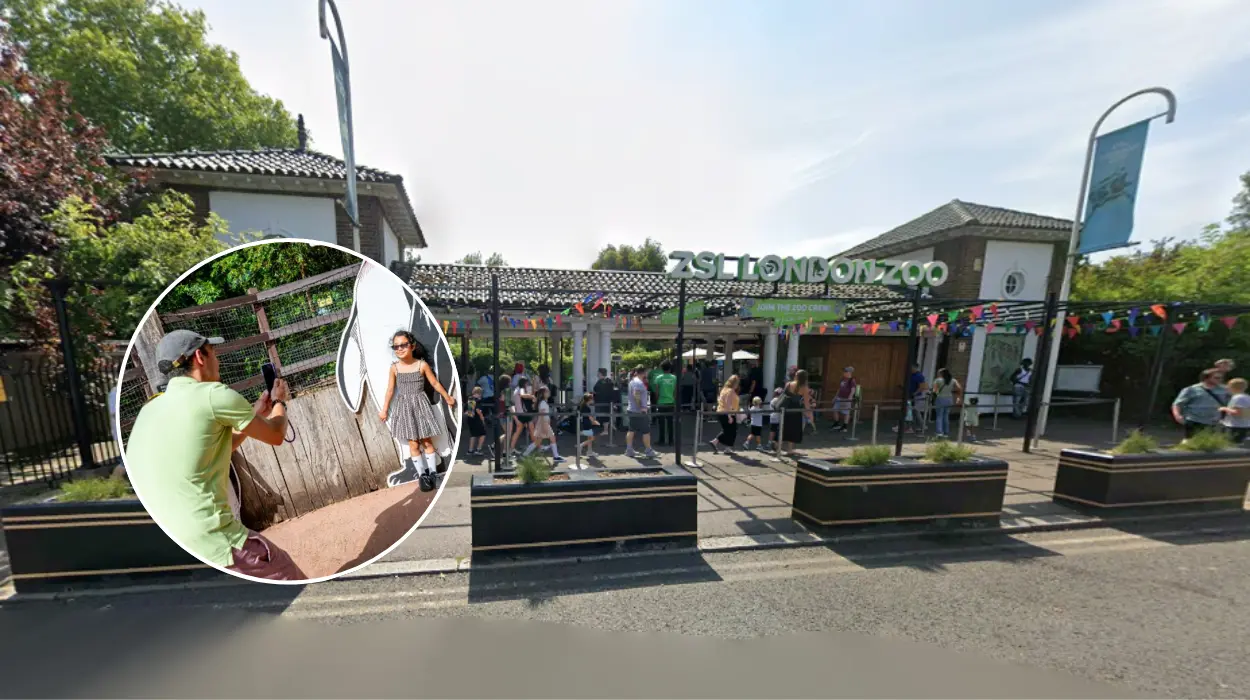
London (Extra London News) 23 June 2026 – A poignant Father’s Day celebration at the world-famous London Zoo has been transformed into a milestone event for urban wildlife preservation following the receipt of an extraordinary £500,000 legacy donation. The substantial bequest, gifted to the conservation charity Zoological Society of London (ZSL), enabled the zoo to open its doors to more than 1,000 fathers and children from the Camden Dads Group on Sunday 21 June. This massive community gathering blended interactive education with family bonding, while simultaneously securing long-term funding for vital ecological initiatives designed to restore the River Thames and improve community access to nature across the capital.
As detailed by local news reporter Alex Marsh for The Ham & High, the celebration provided families with a highly engaging itinerary featuring tailored wildlife talks, hands-on craft activities, and unique opportunities to meet some of the zoo’s most famous residents. However, the true reach of the donation extends far past the bounds of the single-day event. ZSL officials have confirmed that the £500,000 windfall will underwrite a comprehensive environmental program across Greater London, anchored by the hiring of a specialised learning officer who will work closely with schools to teach young people to view the Thames not merely as a waterway, but as a vibrant, living ecosystem requiring active human stewardship.
What Happened at the London Zoo Father’s Day Event?
The celebration on 21 June served as a grand showcase of community integration, utilizing the zoo’s extensive grounds to foster deeper connections between urban families and the natural world. Writing for The Ham & High, reporter Alex Marsh noted that the event welcomed more than 1,000 fathers and children affiliated with the Camden Dads Group—a local organization dedicated to supporting fathers and male caretakers in the community.
Throughout the day, families were treated to a diverse itinerary designed to engage children of all ages. This included interactive educational wildlife presentations delivered by the zoo’s expert keeping staff, practical craft workshops where children could construct nature-inspired art, and structured opportunities to observe and learn about the zoo’s diverse array of animal residents. The atmosphere was described by organizers as one of profound joy and mutual discovery, highlighting the immediate community value of philanthropic legacies.
How Will the £500,000 Legacy Gift Benefit London’s Environment?
While the initial public celebration focused on the zoo’s visitors, the underlying funding structure of the £500,000 legacy gift is designed to achieve a lasting environmental impact across the capital. As reported by Alex Marsh of The Ham & High, the legacy is actively funding ZSL’s broader, long-term conservation programmes throughout London. Chief among these initiatives are the charity’s ongoing scientific efforts to restore the biodiversity of the River Thames and to dismantle socio-economic barriers that prevent urban populations from accessing green spaces.
The ecological health of the River Thames has long been a priority for ZSL’s native conservation teams. This new financial injection will directly support field research, habitat restoration projects, and monitoring schemes aimed at safeguarding the various species—ranging from marine mammals to critically endangered eels—that rely on the river. By cleaning up and protecting these localized blue and green spaces, the funding ensures that London’s natural infrastructure remains resilient in the face of urban expansion.
What Role Will the New Learning Officer Play?
How Will Local Schools Along the Thames Benefit?
A cornerstone of the expenditure plan for the £500,000 donation is the creation of a brand-new, fully funded professional role within ZSL’s educational division. As documented in the original coverage by The Ham & High, the legacy will fund a dedicated learning officer whose primary responsibility will be to bridge the gap between classroom education and real-world field conservation.
This specialist will operate directly along the Thames corridor, establishing robust educational partnerships with local schools and community groups. By implementing targeted curricula and outdoor workshops, the learning officer will help young Londoners understand the river as a complex, living ecosystem. The overarching objective of the role is to inspire a generational shift, encouraging children to take up an active, hands-on role in monitoring and protecting the wildlife residing in their own backyards.
What Did ZSL Leadership Say About the Donation?
The strategic alignment of this legacy gift with ZSL’s core mission was highly praised by the charity’s executive team, who viewed the donation as both a validation of past efforts and a catalyst for future outreach. In the official press statement maintained by The Ham & High, Owen Craft, director of zoo operations at ZSL, stated that:
“At ZSL, we know that nature is essential for people’s mental and physical health, and we see the benefits of people spending time together in nature every day in our two conservation zoos.”
Director Owen Craft further contextualized the emotional and structural weight of the bequest, explaining to The Ham & High that:
“To have received a legacy that enables us to bring more people closer to nature, and in this case, fathers and their children, is a really meaningful recognition of the vast impact we have and helps us to inspire the next generation to notice nature and take action for it.”
Through these statements, leadership underscored that the true metric of success for the £500,000 gift lies not just in monetary value, but in its ability to cultivate human empathy for the natural environment.
Explore more Camden News:
Camdenwalla Play Explores Camden Anti-Racist Resistance in 1994
Over £400k in Fake World Cup Football Kits Seized: Camden 2026
Why Are Legacy Donations Vital for Institutional Conservation?
Charitable bequests and legacy gifts represent the financial backbone of major conservation bodies like ZSL, which operates as an international wildlife charity alongside managing London Zoo and Whipsnade Zoo. Unlike static corporate sponsorships or restrictive government grants, legacy donations often grant institutions the flexibility to fund long-term grassroots projects—such as the Thames restoration initiative—that require years of consistent community engagement to bear fruit.
Financially securing an educational officer and providing free, large-scale access to community groups like the Camden Dads Group demands significant capital. When individuals leave a portion of their estate to ZSL, it directly offsets the heavy operational costs associated with running world-class zoological research facilities. This allows the charity to focus its ticket sales revenue on immediate animal welfare, while utilizing legacy windfalls to pioneer expansive external environmental upgrades across the United Kingdom.
How Does This Move Fit Into London’s Wider Urban Greening Goals?
The announcement of ZSL’s Thames restoration and educational expansion arrives at a time when municipal leaders are heavily emphasizing “urban greening” and climate resilience across Greater London. Historically, industrial sectors of the Thames have suffered from high pollution levels and a lack of public accessibility. By utilizing private philanthropic funds to clean up the riverbanks and educate the local populace, ZSL is actively supporting broader civil initiatives to transform London into a wilder, healthier national park city.
By targeting schools and fathers within the Camden borough and surrounding areas, the project also directly addresses the “nature deficit” frequently observed in inner-city youth. Providing urban children with the conceptual tools to analyze their local river encourages a sense of environmental ownership, ensuring that future municipal developments are viewed through a lens of conservation and sustainability.