Key Points
- Acton Police Station loses 24‑hour access
- Ealing now has no overnight front counter
- New hours run 10am–10pm weekdays, 9am–7pm weekends
- Nearest 24‑hour station is in Charing Cross
- Critics say residents will feel less safe
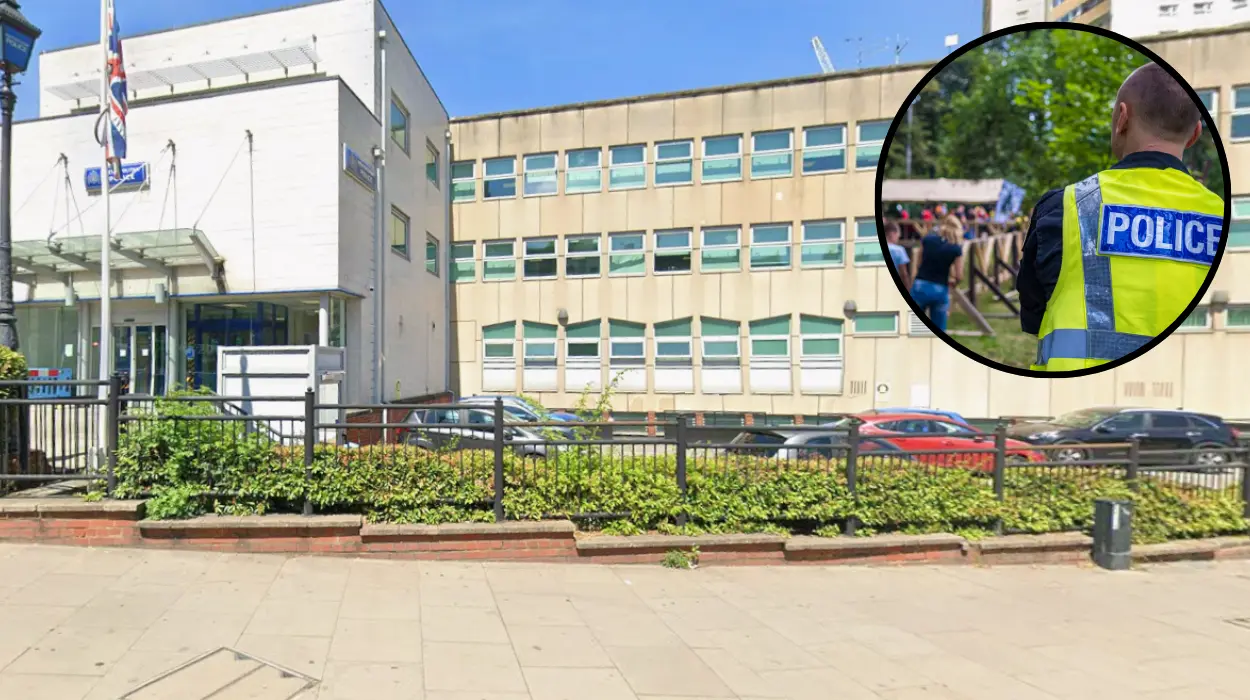
Ealing (Extra London News) February 6, 2026 – Residents of Ealing will no longer have access to a police station front counter overnight after Acton Police Station is downgraded from 24‑hour service to limited opening hours, marking the end of face‑to‑face policing in the borough after dark. As reported by Rob Smith of EALING.NEWS, the change takes effect from 3 March 2026, when the Acton station’s front desk will operate from 10am to 10pm on weekdays and 9am to 7pm at weekends. According to the Metropolitan Police, the move is part of a wider estate‑reform plan aimed at closing a £260 million funding gap, but local politicians and community leaders have warned it will leave many people feeling more vulnerable as nights grow darker.
The decision means Ealing becomes one of several London boroughs with no local, round‑the‑clock police front counter, with the nearest 24‑hour station now in Charing Cross, roughly 10 miles away in central London. As highlighted by Councillor Connie Hersch of the Ealing Liberal Democrats, the loss of overnight access follows the earlier closure of Ealing Police Station and represents a “shocking” reduction in visible policing for the borough.
Why is Acton Police Station being downgraded?
The Metropolitan Police has framed the Acton change as part of a broader restructuring of its station network, driven by financial pressures and a shift toward digital and mobile services. As explained by Deputy Mayor for Policing Kaya Comer‑Schwartz in comments reported by EALING.NEWS, the force faces a £260 million shortfall and must make “tough choices” about which front‑counter services to retain.
Under the new schedule, as detailed by Rob Smith of EALING.NEWS, Acton Police Station’s front counter will be open 10am–10pm on weekdays and 9am–7pm at weekends, aligning its hours with those of Hammersmith Police Station, which has retained its front counter after a partial reprieve. The Met confirmed to EALING.NEWS that only two stations across the capital Charing Cross and Lewisham will remain open 24 hours a day, serving a population of nearly 9 million people.
As noted by Rob Smith, the change effectively ends decades of round‑the‑clock access in Ealing, following the earlier closure of Ealing Police Station in Ealing Broadway.
He wrote: “Ealing has already suffered with the closure of its main police station. Now Acton’s reduced hours mean there’s no face‑to‑face access overnight anywhere in the borough.”
How will residents be affected?
Local politicians and campaigners have argued that the loss of overnight access will hit vulnerable residents hardest, particularly those who rely on in‑person support or feel unsafe reporting crime by phone or online.
As stated by Councillor Connie Hersch, Liberal Democrat spokesperson for crime, anti‑social behaviour, communities and culture, in remarks reported by EALING.NEWS: “Liberal Democrats find this latest news from the Metropolitan Police shocking, limiting access to police stations drastically. Ealing has suffered already with the closure of the Ealing Police Station. Now the Acton station will have limited opening hours and so there is no face‑to‑face access to police overnight in the whole borough.”
Councillor Seema Kumar, Ealing Conservatives spokesperson for safer communities, told EALING.NEWS: “It is a disgrace that, under London’s Labour Mayor Sadiq Khan, Acton Police Station will not be open 24 hours a day. That’s after Ealing lost Ealing Broadway and Southall front counters. It gets even worse. The whole of London will only have two front counters open 24 hours a day, for a population of nearly 9 million people.”
Residents quoted by EALING.NEWS expressed concern that the change would make it harder to report incidents at night, especially for older people, those without smartphones, or those who feel more comfortable speaking to an officer in person.
One local resident, speaking to EALING.NEWS, said: “If something happens late at night, I used to know I could walk to Acton station. Now I’ll have to travel all the way to central London or rely on the phone, which isn’t the same.”
What alternatives are being offered?
The Metropolitan Police and City Hall have pointed to alternative routes for reporting crime and seeking help, including online reporting, the 101 non‑emergency number, and the 999 emergency line. As noted by Deputy Mayor for Policing Kaya Comer‑Schwartz in comments cited by EALING.NEWS, the revised plans are possible due to “record‑breaking funding from City Hall” and are intended to “keep local policing accessible” despite the closure of physical counters.
The force has also highlighted initiatives such as “Safe Haven” schemes at transport hubs, including Ealing Broadway Station, where officers provide a visible presence and support for people travelling late at night. As reported by the Met’s community‑engagement platform Met Engage, a Safe Haven operates at Ealing Broadway Station on Thursday, Friday and Saturday nights from 9pm to 3am, offering a space where members of the public can seek assistance or refuge.
However, critics argue that these measures do not fully replace the reassurance of a nearby, open police station.
What are politicians saying?
The decision has sparked sharp criticism from opposition parties, who accuse the Labour Mayor of London, Sadiq Khan, of breaking a manifesto pledge to keep at least one 24‑hour front counter in each borough. As reported by EALING.NEWS, the Liberal Democrats have accused the Mayor of “letting Ealing down” by allowing Acton to lose its round‑the‑clock service.
Councillor Connie Hersch told EALING.NEWS: “As the nights get darker earlier, many more residents will feel unsafe. The nearest 24‑hour police station is now 10 miles away in Charing Cross, central London.”
She added that the change was particularly concerning for women, older people and those living alone who may feel more at risk after dark.
Conservative Assembly Member Susan Hall, quoted by Hammersmith Today in coverage of the wider station‑closure wave, accused City Hall of “failing vulnerable Londoners” by allowing overnight access to disappear from most areas.
Supporters of the Mayor have argued that the changes are necessary given the scale of the funding gap and that digital services can provide effective alternatives. As noted by EALING.NEWS, the Mayor’s office has pointed to record levels of investment in policing and community‑safety initiatives, while acknowledging that some traditional services must be scaled back.
What does this mean for Ealing’s safety?
The loss of overnight access raises broader questions about how Ealing’s residents will experience safety and support in the coming years. As highlighted by EALING.NEWS, the borough has already seen the closure of Ealing Police Station and the reduction of services at other local counters, leaving many people to travel further for in‑person assistance.
She called on the Mayor and the Met to reconsider the plans and explore options for retaining at least one overnight counter in Ealing.
Community‑safety campaigners have warned that reduced visibility could embolden offenders and deter victims from coming forward.
Police have stressed that officers will continue to patrol Ealing’s streets and respond to incidents regardless of station‑opening hours.