Key Points
- More than 2,500 people have signed a petition urging Ealing Council to reconsider new parking restrictions on Pitshanger Lane.
- Traders report falling footfall and revenue since the Stop & Shop+ scheme was introduced late last year.
- Ealing Council’s 2025 consultation showed 82% of respondents opposed the scheme, with 73% warning of negative impact on local businesses.
- The Pitshanger Community Association (PCA) backs the petition and criticises the consultation as flawed.
- Businesses including Hook & Cleaver, Busby’s, Tranquillity, Charlie’s Fruit Bowl, Pitshanger Bakery, Harrison’s Delicatessen, Pitshanger Health & Fitness, and Pooches of Pitshanger report declines in customers, sales, and memberships.
- Ealing Council states the scheme provides 30 minutes free parking to ensure turnover, with data showing increased short-stay use from 33,000 to over 214,000 sessions borough-wide.
- Council notes 10,300 parking sessions on Pitshanger Lane from October 2025 to April 2026, aiming for fair and consistent parking.
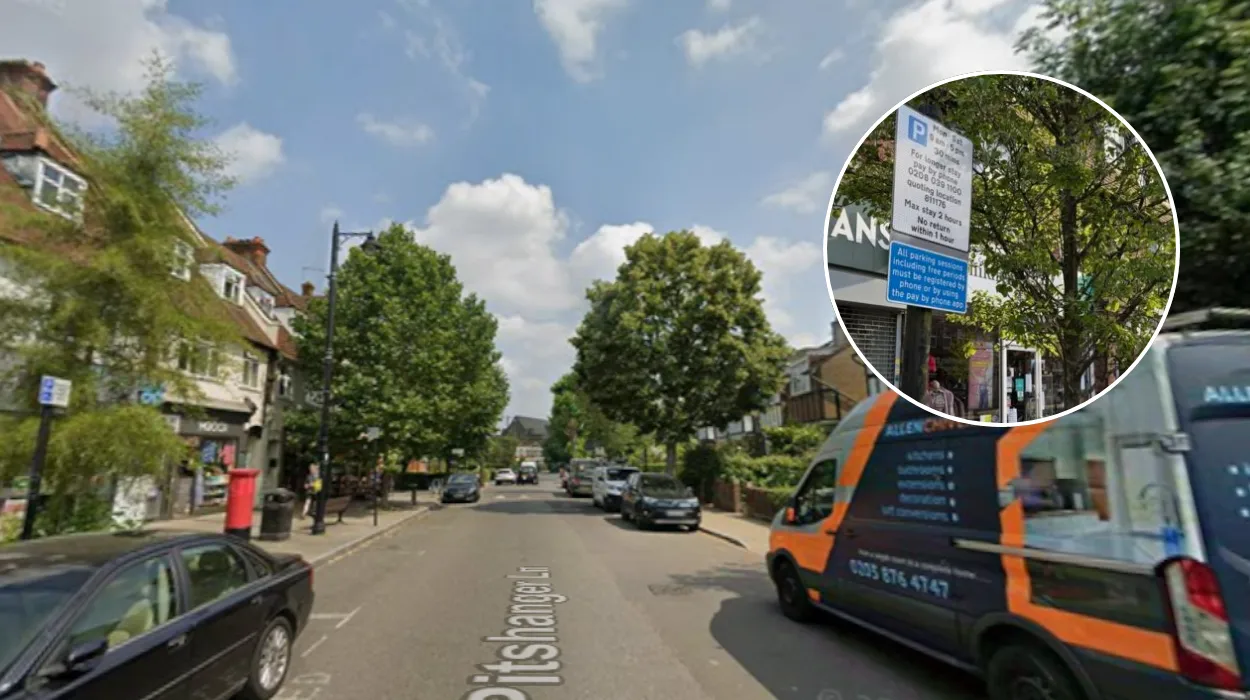
Pitshanger Lane, Ealing (Extra London News) April 16, 2026 – More than 2,500 residents and shoppers have signed a petition calling on Ealing Council to reverse the Stop & Shop+ parking scheme on Pitshanger Lane, with local businesses claiming sharp drops in footfall and revenue since its rollout late last year. The restrictions require drivers to register for 30 minutes of free parking before paying for additional time, a change traders say deters quick visits and harms trade.
- Key Points
- Why Are Pitshanger Traders Opposing the Parking Scheme?
- What Did the Consultation Reveal About the Parking Restrictions?
- How Does Ealing Council Defend the Stop & Shop+ Scheme?
- What Is the Stop & Shop+ Parking Scheme in Ealing?
- When Was the Pitshanger Lane Parking Scheme Implemented?
- Background of the Pitshanger Parking Development
- Prediction: How This Development Can Affect Pitshanger Lane Shoppers and Businesses
Why Are Pitshanger Traders Opposing the Parking Scheme?
Local businesses have voiced strong concerns over the impact of the scheme. Paul Dzido, owner of Hook & Cleaver, told Ealing News:
“Trying to run a family business on a high street in recent years has been extremely tough… we’ve seen a huge increase in overheads… the list goes on.”
He added:
“Instead of supporting the backbone of the British economy… Ealing Council seem determined to add even more nails into the coffin by introducing the unnecessary hassle of parking restrictions.”
Natalie Busby, of Busby’s, highlighted restrictions on visit lengths. She stated to Ealing News:
“Due to the two-hour parking limit, our economic activity is being significantly restricted… some clients are discouraged from visiting, leading to a direct negative effect on our business.”
A spokesperson for Tranquillity reported to Ealing News that bookings fell by 8.6% in the first four weeks of the scheme, adding that staffing could be reduced if the trend continued.
Gary, of Charlie’s Fruit Bowl, noted a drop in footfall, especially from outside the area. He said to Ealing News:
“We’ve noticed a decline in footfall… our Christmas tree sales… were down by 15% on previous years.”
Nico, of Pitshanger Bakery, observed:
“Many of them have stopped coming… customers complain about the new parking scheme… saying it turns the whole shopping trip into a stressful half hour,”
as reported by Ealing News.
Belinda Harrison, of Harrison’s Delicatessen, pointed to confusion and costs. She told Ealing News:
“Many are confused as to how it works, angry that they are paying 20p for 30 minutes ‘free parking’… My footfall has definitely reduced… showing around a 10% decrease in customers per day.”
Dean Horridge, of Pitshanger Health & Fitness, raised issues for elderly members. He stated to Ealing News:
“We have many elderly members… these restrictions are stopping them from attending… we have seen many cancel their memberships.”
Dean and Gavin, owners of Pooches of Pitshanger, explained their new venture’s challenges. They said to Ealing News:
“We started a new business… and were not aware these new restrictions were coming into effect… [this] has subsequently damaged our ability to gain local customers.”
These accounts, compiled from Ealing News coverage, reflect a pattern of reduced custom across diverse outlets on Pitshanger Lane.
What Did the Consultation Reveal About the Parking Restrictions?
Ealing Council’s own 2025 consultation on the proposals drew significant opposition. Findings showed 82% of respondents against the scheme, with 73% warning of negative effects on local businesses, as detailed in Ealing News and Pitshanger.org.uk reports.
The Pitshanger Community Association (PCA) has led the backlash. In its update on Pitshanger.org.uk, the PCA stated that 2,537 people have backed its petition against the “stop and shop” changes. The group hoped to present it at a council meeting but found no suitable opportunity before the local elections on 7 May 2026.
The PCA further argued on Pitshanger.org.uk that the consultation process was “flawed” and that results had been disregarded. It noted that in other cases with strong majority objections, proposals were amended or withdrawn.
How Does Ealing Council Defend the Stop & Shop+ Scheme?
In a statement to Ealing News, an Ealing Council spokesperson addressed the concerns:
“We recognise how important Pitshanger Lane is to the local community and to the independent businesses that help make the area unique. Our aim is always to support thriving local high streets while ensuring parking arrangements are fair, consistent and accessible for everyone.”
The spokesperson continued:
“The recent changes to short stay parking form part of the borough wide stop and shop+ scheme, which provides 30 minutes of free parking, with payment only required if people choose to stay longer. The intention is to ensure regular turnover of spaces so genuine shoppers can find somewhere to park, while preventing long stay parking that can reduce availability for others.”
On decision-making, the statement explained:
“We carefully considered the consultation responses alongside wider borough objectives and evidence from other locations where the scheme has been introduced. While we acknowledge there were objections, consultation is one part of the decision making process and does not operate as a referendum. Decisions must balance the needs of businesses, residents, and visitors, as well as deliver consistency across the borough.”
Data was cited to support effectiveness:
“Since mandatory registration was introduced, six months of comparable data shows a significant increase in short stay use and enforceability. Registered parking sessions rose from around 33,000 to over 214,000 compared with the same period before implementation, indicating far greater turnover of bays, and on Pitshanger Lane 10,300 parking sessions have taken place from October 2025 to April 2026. This reflects improved compliance and legitimate use beyond the free 30 minute period, which previously could not be measured reliably.”
The spokesperson added:
“At busier locations, including Pitshanger Lane, the changes have led to clearer use of bays for short visits, improved ability to tackle misuse, and reduced long stay occupation that can block access for shoppers. Our priority remains keeping Pitshanger Lane accessible, safe and attractive for residents, visitors and businesses. We will continue to monitor the impact of the scheme closely and work with the local community to address any issues as they arise and ensure the arrangements operate as intended.”
What Is the Stop & Shop+ Parking Scheme in Ealing?
Introduced late last year as part of a borough-wide initiative, the scheme mandates registration for up to 30 minutes of free parking on Pitshanger Lane and other areas. Drivers pay for stays beyond that, aiming to promote turnover. Campaigners, per the PCA on Pitshanger.org.uk, argue it complicates short visits and risks deterring customers. Ealing Council’s adoption followed objections, as covered by Ealing News.
When Was the Pitshanger Lane Parking Scheme Implemented?
The restrictions came into force late 2025, with mandatory registration boosting tracked sessions. Pitshanger Lane saw 10,300 sessions from October 2025 to April 2026, according to the council’s statement to Ealing News. This period aligns with traders’ reports of declining trade.
Background of the Pitshanger Parking Development
The Stop & Shop+ scheme forms part of Ealing Council’s broader parking strategy to standardise rules across the borough. Pitshanger Lane, a vibrant high street with independent shops, cafes, and services, was included despite local pushback. The 2025 consultation captured resident and business views, but the council proceeded to ensure consistency with other areas. The PCA launched its petition via Change.org, gaining over 2,500 signatures by April 2026, as noted on Pitshanger.org.uk and Ealing News. Traders’ complaints emerged soon after implementation, highlighting tensions between turnover goals and high street vitality.
Prediction: How This Development Can Affect Pitshanger Lane Shoppers and Businesses
This parking scheme can influence Pitshanger Lane shoppers by increasing short-stay parking availability through higher turnover, as shown by the rise to 10,300 sessions on the lane and over 214,000 borough-wide. Shoppers making quick stops may find spaces more readily, though registration and potential fees for longer visits could add friction, possibly reducing impulse buys or extended browsing. For businesses, sustained footfall drops reported by outlets like Hook & Cleaver and Harrison’s Delicatessen—such as 10% fewer daily customers or 15% lower Christmas sales—could pressure revenues amid rising overheads. If trends persist, staffing cuts at places like Tranquillity or membership losses at Pitshanger Health & Fitness may occur, affecting local employment. Elderly or out-of-area customers, deterred as noted by Dean Horridge and Gary of Charlie’s Fruit Bowl, might shift to less restricted sites, altering the shopper base. Ongoing council monitoring could lead to adjustments, balancing business needs with borough-wide parking equity for residents, visitors, and traders.