Key Points
- Barnet Museum volunteers are seeking UNESCO recognition for the craft of making and maintaining replicas of the Battle of Barnet banners as an intangible cultural heritage.
- The banners, which celebrate the medieval Battle of Barnet of 1471, are displayed each summer along Barnet High Street and at other sites in the town.
- The application is being made jointly with Wars of the Roses enthusiasts in Tewkesbury.
- Barnet Museum says the practice reflects the cultural identity of the community and is passed down through generations, which fits UNESCO’s definition of intangible heritage.
- The project was inspired by Tewkesbury’s long-running commemorations of the 1471 Battle of Tewkesbury.
- Volunteers at Barnet Museum have researched and painted 106 banners in total.
- Of those, 76 currently hang in Barnet High Street and another 26 are displayed in other locations, including The Spires Shopping Centre.
- Permission for a banner display in The Spires was granted, and Barnet Council agreed to the banners being hung from lampposts along the High Street.
- One of the first banners reproduced in Barnet was that of King Henry VI.
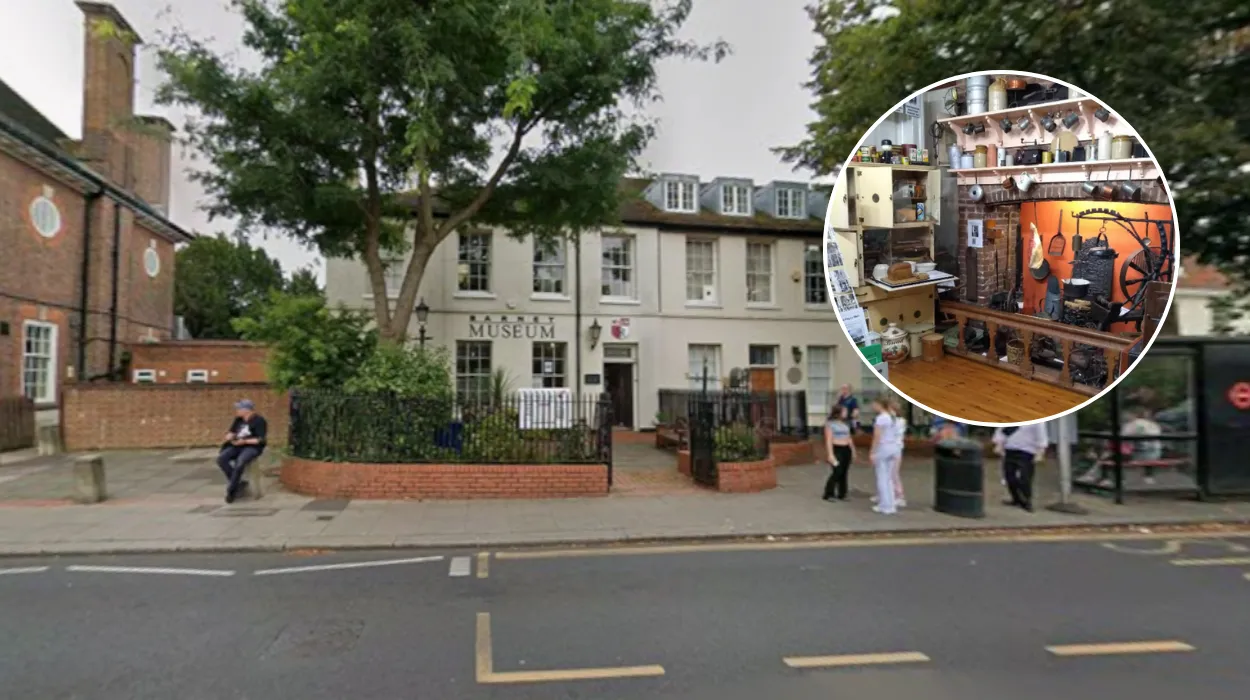
Barnet (Extra London News) May 5, 2026 – Painting and caring for the Battle of Barnet banners displayed along Barnet High Street each summer has become an historic legacy for the town, according to volunteers at Barnet Museum, who now hope the tradition may gain international recognition as an intangible cultural heritage.
- Key Points
- What is Barnet Museum asking UNESCO to recognise?
- Why does the banner project matter to Barnet?
- How did the idea begin?
- How many banners are there in Barnet?
- Who was one of the first banners recreated?
- Why is UNESCO intangible heritage important?
- What links Barnet and Tewkesbury?
- What does this mean for the town?
What is Barnet Museum asking UNESCO to recognise?
Barnet Museum has submitted an application asking whether the making and maintenance of replicas of the medieval banners linked to the Battle of Barnet can be recognised by UNESCO as intangible cultural heritage.
Unlike monuments or artefacts, intangible heritage refers to traditions, skills and practices that are passed down from generation to generation and are continuously recreated by communities.
As reported by Barnet Museum, the aim is to have the craft itself acknowledged, not just the banners as physical objects.
That distinction matters because UNESCO’s intangible heritage framework focuses on living traditions, community identity and the transmission of knowledge.
Why does the banner project matter to Barnet?
The banner project has grown into a prominent part of Barnet’s public heritage display. Volunteers researched the coats of arms of royalty and noblemen whose troops fought in the Battle of Barnet on April 14, 1471, and then recreated them for public display.
The museum says the banners help connect the town to its medieval past and give residents and visitors a visible reminder of the battle that took place there.
The display also supports local heritage engagement by turning historical research into a public-facing tradition.
How did the idea begin?
According to Barnet Museum, the inspiration came almost a decade ago from the town of Tewkesbury. Tewkesbury has been commemorating the Battle of Tewkesbury, fought on May 4, 1471, for the last 50 years through re-enactments, a medieval festival and a display of heraldic banners.
Barnet volunteers followed that example and began building their own research project around the Battle of Barnet.
The new UNESCO application is being made in conjunction with Wars of the Roses enthusiasts at Tewkesbury, linking the two towns through their shared fifteenth-century history.
How many banners are there in Barnet?
Barnet Museum volunteers have now researched and painted 106 banners in total. Of these, 76 currently hang in Barnet High Street during the summer display, while another 26 are shown in different places around the town, including The Spires Shopping Centre.
Permission was granted for the banners to be displayed in The Spires, and Barnet Council also agreed to them being hung from lampposts along the High Street.
The result is a town centre that becomes, each year, a kind of open-air historical gallery.
Who was one of the first banners recreated?
One of the first heraldic banners reproduced in Barnet was that of King Henry VI. A museum image from 2018 showed the banner alongside the museum’s curator Mike Noronhan and deputy curator Hilary Harrison.
The recreation of royal and noble arms has become central to the project, both as a historical exercise and as part of the visual identity of the High Street display.
Why is UNESCO intangible heritage important?
UNESCO’s intangible cultural heritage recognition is designed to protect living traditions rather than physical relics alone.
That can include craftsmanship, performance, rituals, oral traditions and community practices that remain active in modern life.
In Barnet’s case, the museum hopes that the banner-making tradition will be seen as more than a local attraction. It wants the work of researching, painting and maintaining the banners to be treated as a cultural practice worth safeguarding and promoting internationally.
What links Barnet and Tewkesbury?
The two towns are connected through the Wars of the Roses and their respective battles in 1471. Barnet’s battle took place on April 14, while Tewkesbury’s followed on May 4 the same year.
That historical link has now developed into a contemporary heritage partnership. Barnet Museum’s work with Tewkesbury enthusiasts on the UNESCO application reflects a shared effort to preserve and present the history of the period in ways that are accessible to the public.
What does this mean for the town?
If UNESCO recognition is successful, the banner project could receive a much wider profile and stronger protection as a heritage practice. Even if the application does not succeed, the effort itself has already strengthened Barnet’s cultural identity and deepened public engagement with local history.
The High Street display has become a seasonal landmark, turning a medieval battle into a living community tradition. For volunteers, that is not only about preserving history, but also about keeping a craft alive through hands-on work and public display.