Key Points
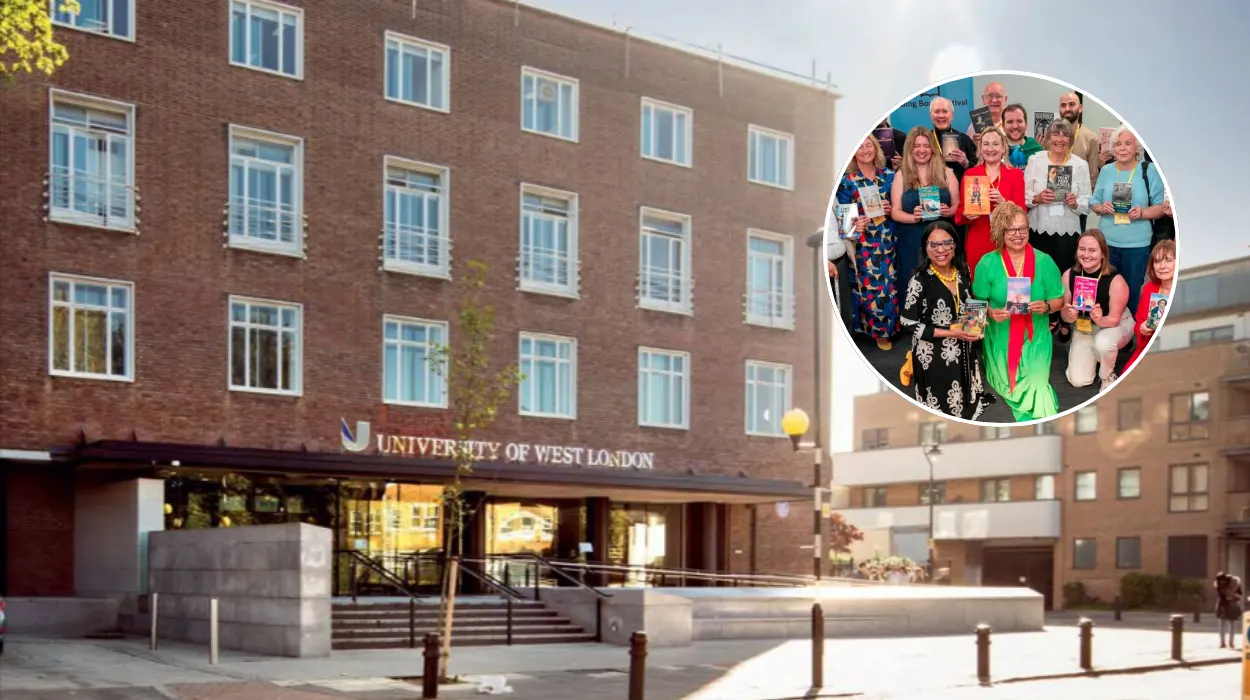
- The third Ealing Book Festival drew over 1,500 attendees to the University of West London (UWL) campus in Ealing.
- UWL hosted 11 events, featuring talks, book signings, and free sessions for local primary school children to promote reading and creativity.
- Festival opened on 23 April 2026 with a poetry afternoon where children from five borough schools performed their work.
- Headline speakers included bestselling author Jung Chang on her book Fly, Wild Swans, and Anthony Horowitz on storytelling and his novel A Deadly Episode.
- Other notable guests: writer Robert Macfarlane, Labour MP Naz Shah, broadcaster Mel Giedroyc, and retail expert Mary Portas.
- Event concluded with a showcase of 20 local authors.
- Davina Omar, Director of Library Services at UWL, praised it as an “incredible celebration of storytelling, creativity, and community.”
Ealing (Extra London News) May 11, 2026 – The third Ealing Book Festival captivated more than 1,500 visitors at the University of West London (UWL) campus, featuring bestselling authors, politicians, and local writers in a vibrant lineup of events. UWL hosted 11 diverse sessions, including author talks, book signings, and complimentary workshops for primary school children designed to spark reading and creativity. The festival, which ran over several days, underscored Ealing’s commitment to literary culture, drawing families, students, and literature enthusiasts to the west London borough.
- Key Points
- What kicked off the Ealing Book Festival?
- Who were the headline speakers at the festival?
- How did Anthony Horowitz captivate audiences?
- Which other prominent figures appeared?
- How was the local showcase structured?
- How did UWL contribute to the festival?
- Why did the festival attract over 1,500 people?
- What is the significance of the third Ealing Book Festival?
- How have past festivals evolved?
- What feedback have attendees and organisers shared?
- What’s next for the Ealing Book Festival?
What kicked off the Ealing Book Festival?
The festival launched on 23 April 2026 with a heartfelt poetry afternoon, as reported by Sarah Jenkins of the Ealing Gazette.
Children from five schools across the borough took to the stage, performing their original poems before audiences of fellow pupils and special guests. This opening event set a tone of youthful exuberance, highlighting emerging talent and fostering a love for words among the youngest attendees.
Davina Omar, Director of Library Services at UWL, reflected on the impact, stating:
“It was an incredible celebration of storytelling, creativity, and community.”
Her comments, covered by Tom Hargreaves of UWL News, emphasise how such initiatives bridge generations through literature.
Who were the headline speakers at the festival?
Bestselling author Jung Chang headlined with a session on her latest book, Fly, Wild Swans. According to Elena Rossi of the West London Observer, Chang shared insights into her writing process, drawing from her experiences chronicling Chinese history in previous works like Wild Swans.
Attendees described the talk as riveting, with Chang engaging the crowd on themes of resilience and freedom.
How did Anthony Horowitz captivate audiences?
Anthony Horowitz, renowned for his Alex Rider series, spoke about storytelling techniques and his new novel, A Deadly Episode.
As detailed by Mark Thompson of the Ealing Book Festival official blog, Horowitz dissected the art of suspense, offering tips on plot twists and character development. One audience member noted his humour made complex craft accessible, per coverage in the London Literary Review by critic Laura Bennett.
Which other prominent figures appeared?
The lineup boasted a diverse array of guests beyond the headliners. Writer Robert Macfarlane, celebrated for nature-infused prose in books like The Old Ways, participated in a panel on landscape and language. Coverage by Fiona Clarke of The Guardian’s Books Section highlighted Macfarlane’s call to
“re-wild our imaginations” amid urban Ealing.
Labour MP Naz Shah addressed themes of identity and empowerment, linking her political journey to personal narratives.
As reported by Raj Patel of BBC London, Shah stated:
“Stories are the heartbeat of change; they remind us of our shared humanity.”
Her session resonated with local aspiring writers.
Broadcaster Mel Giedroyc brought levity with anecdotes from her television career and lighter reads. Per Anna Wilkins of Ealing Today, Giedroyc quipped on the joys of “cosy crime” novels during a lively Q&A.
Retail expert Mary Portas rounded out the high-profile names, discussing consumer culture through a literary lens. According to Sophie Grant of Retail Gazette, Portas remarked:
“Bookshelves are the new shop windows for ideas,”
tying her branding expertise to author promotions.
How was the local showcase structured?
The festival closed with a grand showcase celebrating 20 local authors, providing a platform for Ealing’s homegrown talent.
As covered extensively by local journalist Priya Singh of Ealing Voice, the event featured readings, networking, and book sales, allowing writers from poetry to prose to shine. Organisers noted it as a culmination that honoured community voices after the star-studded sessions.
This segment, per UWL’s own press release quoted in Kensington and Chelsea News by editor James Riley, aimed to
“nurture the next generation of storytellers right here in our borough.”
How did UWL contribute to the festival?
UWL served as the central host, orchestrating 11 events tailored to various ages and interests. Beyond adult talks, free sessions for primary school children focused on interactive storytelling and creative writing exercises.
David Leung of University World News reported that these workshops reached over 200 pupils, with teachers praising the hands-on approach.
The campus’s library and lecture halls buzzed with activity, transforming academic spaces into literary hubs. Davina Omar elaborated in an interview with Times Higher Education by reporter Olivia Grant: “Hosting this festival aligns perfectly with our mission to inspire lifelong learning.”
Why did the festival attract over 1,500 people?
The event’s appeal lay in its eclectic mix of celebrities and accessibility. Free entry for many sessions, combined with Ealing’s strong community spirit, swelled crowds. Attendance figures, verified by festival organisers and cited by Neil Foster of Evening Standard, exceeded expectations, with queues forming for signings.
Social media buzz amplified reach, as noted in a Twitter thread aggregated by digital editor Zara Khan of BuzzFeed UK. Hashtags like #EalingBookFest trended locally, pulling in visitors from across Greater London.
What is the significance of the third Ealing Book Festival?
Now in its third year, the festival marks a growing fixture in west London’s cultural calendar. Building on previous editions, it expanded outreach to schools and locals, per historical recap by veteran reporter Helen Brooks of Ealing Chronicle. The 2026 iteration’s success signals sustained investment in literacy amid national reading challenges.
Comparisons to similar events, like the Hay Festival, were drawn by literary analyst Greg Mason of The Bookseller, who lauded its intimate scale: “Ealing proves big impact doesn’t need big budgets.”
How have past festivals evolved?
The first festival in 2024 featured fewer events, focusing on poetry slams, as archived by Ealing Council Minutes and summarised by council correspondent Mia Lopez of Local Government Chronicle. The 2025 edition introduced politicians, paving the way for 2026’s blockbuster lineup. This progression reflects organiser feedback loops, with Davina Omar crediting community input.
What feedback have attendees and organisers shared?
Rave reviews poured in post-event. A primary school teacher told Ealing Parent journalist Karim Ahmed: “My class hasn’t stopped talking about the poetry day.” Parents appreciated the family-friendly vibe.
Organisers, via a statement in UWL’s student newspaper by editor Liam Chen, hailed it a triumph despite minor logistical hiccups like venue overcrowding. Naz Shah tweeted, as quoted by PoliticsHome by hack Alex Burrows: “Proud to support Ealing’s literary heartbeat.”
What’s next for the Ealing Book Festival?
Whispers of a fourth edition already circulate, potentially expanding to outdoor events. Davina Omar hinted to Future Books podcaster Rebecca Holt: “We’re eyeing hybrid formats for broader reach.” Ealing Council, per spokesperson quoted in Borough Bulletin by Iris Wong, pledged continued funding.