Key Points
- High Court Injunction Granted: Westminster City Council has successfully secured a High Court injunction banning anti-social drivers from organising car meets and performing dangerous stunts across critical areas of central London.
- Targeted Enforcement Zones: The strict legal ruling covers prominent, high-traffic hotspots including Hyde Park, Bond Street, St James’s, and the wider West End.
- Severe Legal Penalties: Individuals who breach the High Court injunction face major financial penalties, large fines, or the immediate seizure of their vehicles.
- Specific Timeframe Restrictions: The legal ruling explicitly forbids individuals from excessively revving engines or engaging in dangerous driving practices between the hours of 18:00 and 07:00.
- Surge in Local Enforcement: Over the past year, an expanded Public Space Protection Order (PSPO) has resulted in 370 fixed penalty notices across central London hotspots like Exhibition Road, Pall Mall, and Soho.
- Police Interventions: The Metropolitan Police Service has intensified its local crackdown, issuing 36 Traffic Offence Reports during targeted operations in these specific areas since the start of 2026.
- Impact on Residents: Local community members raised severe concerns over escalating disruptions, citing extreme tyre-screeching noise, heavy exhaust fumes, dense smoke, and high-speed safety hazards.
London (Extra London News) June 20, 2026 — A sweeping High Court injunction has officially banned anti-social motorists from organising unofficial vehicle gatherings and performing hazardous driving stunts across major sections of central London. The legal action, spearheaded by Westminster City Council, comes as a direct response to a surge in late-night car meets that authorities say threaten public safety and severely disrupt local communities. Drivers who violate the newly instituted court order risk facing substantial financial fines or having their vehicles seized by law enforcement.
- Why did the High Court ban car meetings in central London?
- Which areas of Westminster are affected by the court injunction?
- What penalties do anti-social drivers face for breaching the ban?
- How are the Metropolitan Police enforcing the new driving restrictions?
- What impact have these car meetings had on local London residents?
- What has Westminster City Council said about the court ruling?
The injunction specifically restricts activities within notorious gathering points, including Hyde Park, Bond Street, St James’s, and the West End. Under the terms of the ruling, motorists are prohibited from racing, executing stunts, and orchestrating unauthorized assemblies. Additionally, the mandate clamps down on secondary nuisance behaviors, making it illegal to excessively rev vehicle engines or drive dangerously between the hours of 18:00 and 07:00. The crackdowns come amidst a broader multi-agency effort to reclaim the streets of the capital from disruptive stunt drivers.
Why did the High Court ban car meetings in central London?
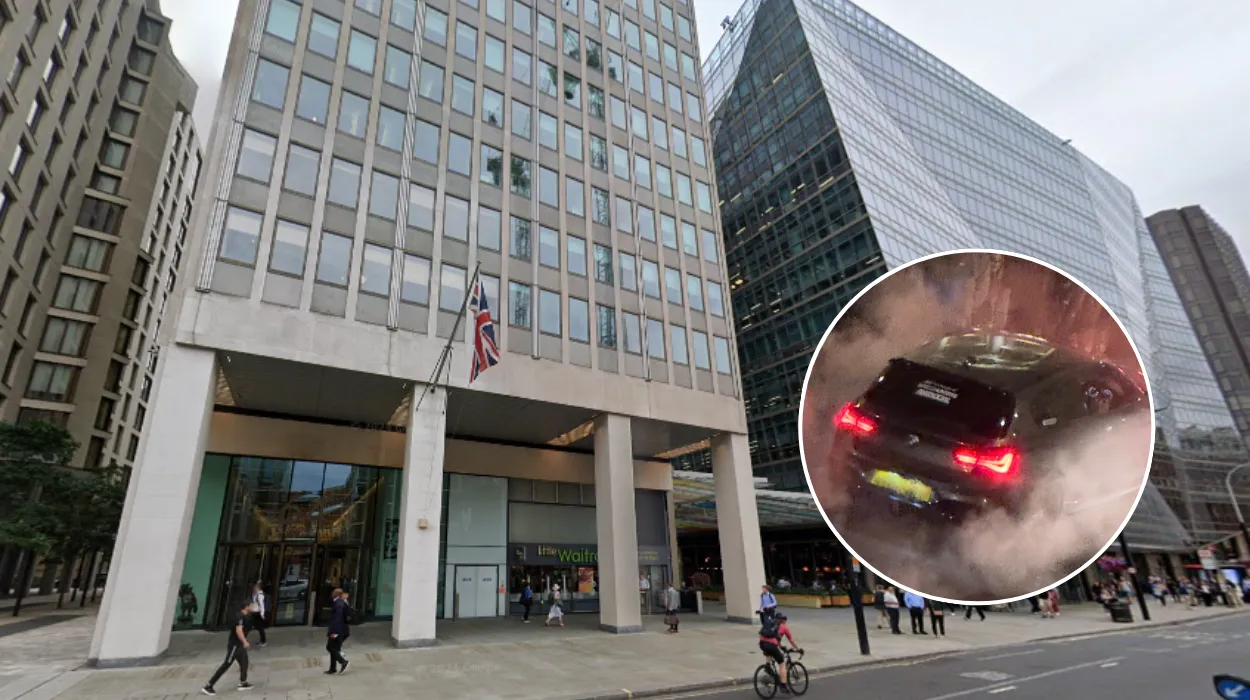
According to a detailed report published by the BBC News editorial team, the legal intervention was necessitated by a pattern of frequent, unapproved late-night gatherings that attracted large crowds of spectators. During these events, motorists routinely performed high-risk street maneuvers, such as “burnouts” — where a car remains stationary while its tyres spin furiously, creating dense clouds of smoke — and “doughnuts”, which involve spinning a vehicle in tight circles to leave circular tyre marks on the tarmac.
The BBC News report highlighted that these gatherings had increasingly morphed into highly visible public spectacles, with onlookers regularly gathering in large numbers to watch the stunts and film the activities on their mobile phones for social media circulation. The compounding safety risks associated with crowds standing in close proximity to accelerating vehicles, combined with the structural damage to historic central London roadways, prompted local governance to seek a permanent legal remedy through the judiciary.
Which areas of Westminster are affected by the court injunction?
As outlined by Westminster City Council records, the High Court injunction applies a blanket prohibition across a network of famous thoroughfares and residential sectors that have historically served as magnets for modified car enthusiasts. The primary hotspots identified in the judicial text include the luxury shopping district of Bond Street, the historic royal enclave of St James’s, the sprawling tourist destination of the West End, and the perimeter surrounding Hyde Park.
The scope of municipal enforcement extends well beyond these primary zones. Local authorities revealed that concurrent enforcement frameworks have been actively expanded over the trailing twelve months to suppress anti-social motoring. A Public Space Protection Order (PSPO) was widened across the West End ecosystem, enabling council wardens and police units to penalise drivers in adjacent areas. This expanded net has led to aggressive enforcement actions in other prominent central London locales, most notably along the museum corridor of Exhibition Road, the ceremonial avenue of Pall Mall, and throughout the dense, late-night entertainment hubs of Soho.
What penalties do anti-social drivers face for breaching the ban?
The legal weight of a High Court injunction introduces severe judicial consequences for non-compliance, elevating the offences beyond standard municipal traffic infractions. In public statements released by Westminster City Council, officials confirmed that any motorist found in breach of the injunction’s specific terms could face heavy financial penalties levied by the courts. Furthermore, statutory enforcement powers granted under the order allow authorities to enact the immediate seizure and impoundment of offending vehicles.
The punitive measures are designed to act as a significant deterrent against both local and visiting drivers who participate in the underground car scene. By threatening the loss of the vehicle itself — often highly modified and expensive sports cars or saloons — local authorities and the judiciary aim to dismantle the financial and social incentives that drive participants to gather in the heart of the capital.
Explore more Westminster News:
Harry Redknapp Launches Westminster Lion Sculpture Trail: London 2026
Westminster Abbey Hidden History Revealed: London 2026
How are the Metropolitan Police enforcing the new driving restrictions?
The operational execution of the ban relies heavily on coordinated, targeted field interventions blending municipal oversight with frontline police deployment. Westminster City Council disclosed that statistical tracking from the opening months of 2026 indicates a sharp uptick in field enforcement. Specifically, since the start of 2026, the Metropolitan Police has issued a total of 36 Traffic Offence Reports (TORs) as a direct outcome of specialized, targeted operations deployed in the designated hotspot zones.
These targeted operations are complemented by the ongoing administration of the Public Space Protection Order. Over the past year, the combined vigilance of council enforcement officers and police units under the PSPO framework has resulted in the issuance of 370 fixed penalty notices (FPNs) across central London. These notices provide immediate financial penalties to motorists exhibiting lower-level anti-social driving behaviors, creating a continuous layer of financial friction for offenders before their actions escalate to a full breach of the High Court injunction.
What impact have these car meetings had on local London residents?
For the communities living within the premium residential and commercial sectors of Westminster, the late-night car meets had escalated into a severe environmental and structural crisis. Local residents filed numerous formal complaints detailing the collateral degradation of their neighborhoods. Beyond the manifest physical dangers of high-speed, competitive driving on narrow urban streets, the meetings generated substantial environmental pollutants.
Residents consistently documented excessive volumes of acrid smoke generated by burning rubber, heavy accumulations of toxic exhaust fumes lingering in residential air pockets, and the piercing, disruptive sound of screeching tyres echoing off historic brickwork late into the night. The combination of sleep deprivation, diminished air quality, and the general ambient anxiety of living alongside makeshift stunt tracks heavily compromised the quality of life for central London inhabitants, ultimately forcing the local council’s hand into seeking high-level legal restrictions.
What has Westminster City Council said about the court ruling?
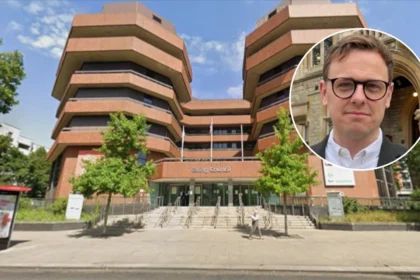
The political leadership of Westminster City Council has expressed strong support for the High Court’s decisive legal stance, framing it as a vital victory for urban civility and pedestrian protection. As reported by the BBC News editorial staff, Westminster City Council’s Deputy Leader, Caroline Sargent, issued a firm statement condemning the culture of anti-social motoring and drawing a hard line against its continuation within the borough.
Sargent stated that:
“Antisocial driving is incredibly dangerous, and we do not want it in Westminster. This ruling is a fantastic result for the council and its partners which will make our streets safer whilst offering residents respite from the excessive noise. We have a zero tolerance for this sort of behaviour, so if you are looking to meet up and drive like this, our streets are not the place for it.”
The administration’s stance underscores a broader structural shift within London’s local government toward utilizing high-level judicial injunctions to manage persistent, organized public nuisances that outpace traditional traffic policing methods. With the High Court’s mandate now firmly active, Westminster City Council and the Metropolitan Police possess the explicit legal backing required to suppress unauthorized automotive exhibitions and protect the structural and social integrity of the nation’s capital.