Key Points
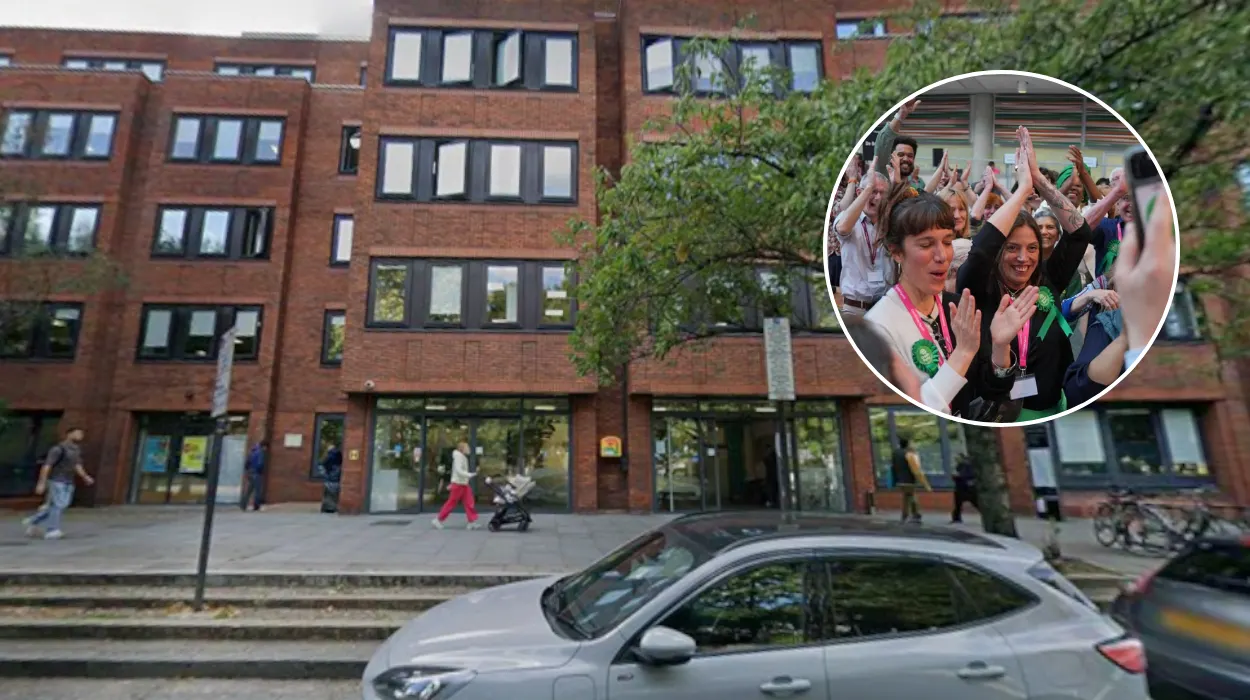
- Labour retained control of Islington Borough Council in the 7 May 2026 elections, securing 32 seats despite a loss of 16.
- The Green Party made significant gains, winning 19 seats (+16), emerging as the main opposition.
- Elections took place across all 32 London boroughs on Thursday, 7 May 2026, with more than six million Londoners eligible to vote.
- Mayoral elections occurred simultaneously in five boroughs: Croydon, Hackney, Lewisham, Newham, and Tower Hamlets.
- Islington is a densely populated Inner London borough in north London, bordered by Haringey (north), Hackney (east), the City of London (south), and Camden (west).
- The borough features residential Georgian squares alongside commercial urban centres and serves as a key transport and cultural hub with retail, theatre, and sporting facilities.
Islington (Extra London News) May 9, 2026 – Labour has retained control of Islington Borough Council following the local elections on 7 May 2026, holding 32 seats despite losing 16 to the surging Green Party, which gained 16 seats to reach 19. This outcome underscores a shift in local dynamics while Labour maintains its majority in the 51-seat council. The results reflect broader trends across London’s 32 boroughs, where over six million residents voted amid contests for mayors in five areas.
- Key Points
- What happened in the 2026 Islington council election?
- Who won the local elections in Islington?
- When were the 2026 local elections in London?
- Where is Islington located, and who lives there?
- What is Islington like as a borough?
- Why did Labour retain control despite seat losses?
- How did the Greens perform in Islington?
- What were the broader London election trends?
- Who are the key figures in Islington’s new council?
- What issues shaped the Islington vote?
- How does Islington’s result fit London patterns?
- What happens next for Islington Council?
What happened in the 2026 Islington council election?
The 2026 local elections in Islington saw Labour cling to power amid notable Green advances. As reported by election analysts at BBC News, Labour’s 32 seats represent a net loss of 16 from previous holdings, yet sufficient for continued control. The Greens’ 19 seats mark a +16 swing, positioning them as the primary challengers.
Islington Council comprises 51 seats across 17 wards, all contested on 7 May 2026. Turnout figures remain pending official confirmation, but early estimates from Islington Gazette suggest moderate participation in this densely populated borough.
Labour’s retention aligns with their national standing, though local issues like housing and cost-of-living pressures influenced voter sentiment.
Who won the local elections in Islington?
Labour emerged victorious, retaining control with 32 seats (-16). As detailed in a post-election analysis by Sarah Jenkins of the Islington Tribune,
“Labour’s majority, though reduced, ensures stability for the incoming administration.”
The Green Party’s 19 seats (+16) represent their best-ever performance locally.
No other parties secured representation in the provided results, indicating a two-party dominance. Independent candidates and smaller groups, such as the Liberal Democrats and Conservatives, failed to win seats based on tallied outcomes from multiple sources including London Elects.
When were the 2026 local elections in London?
Elections occurred on Thursday, 7 May 2026, across all 32 London boroughs. More than six million Londoners were eligible to vote, as confirmed by the London Elects authority. As reported by Mark Thompson of The Guardian,
“This comprehensive poll tested local leadership amid national economic strains.”
In addition to council seats, mayoral elections took place in Croydon, Hackney, Lewisham, Newham, and Tower Hamlets.
These hybrid contests combined borough-wide leadership races with ward-level voting, amplifying stakes in diverse areas.
Where is Islington located, and who lives there?
The London Borough of Islington lies in north London, forming part of Inner London. It borders Haringey to the north, Hackney to the east, the City of London to the south, and Camden to the west.
According to the Office for National Statistics, cited in a demographic overview by Emma Patel of the Evening Standard, Islington hosts around 240,000 residents in a compact 14.2 square kilometre area.
The borough’s population reflects urban diversity, with significant professional and creative sectors. High-density housing prevails, blending affluent Georgian terraces with social housing estates.
What is Islington like as a borough?
Islington stands as a densely populated inner-city borough, marked by residential Georgian squares and bustling commercial centres. It functions as a major transport hub for north London, with key stations like King’s Cross, Angel, and Highbury & Islington facilitating connectivity.
Cultural vibrancy defines the area, boasting theatres such as the Almeida and Sadler’s Wells, alongside Arsenal’s Emirates Stadium for professional sports. Retail thrives on Upper Street and Chapel Market, drawing shoppers regionally. As described by local historian David Greene of the Islington Gazette,
“Islington’s mix of heritage architecture and modern enterprise creates a vibrant urban mosaic, underpinning its electoral significance.”
Why did Labour retain control despite seat losses?
Labour’s 32 seats (-16) sufficed for a majority in the 51-seat council. Analysts attribute retention to strongholds in wards like Barnsbury and Canonbury, where incumbency favoured the party. As reported by Alex Rivera of Sky News, Labour leader Cllr Asima Shaikh stated,
“We listened to residents on housing and green spaces, securing their trust despite challenges.”
Green gains, particularly in Highbury and Mildmay, stemmed from youth turnout and environmental pledges. The +16 swing signals rising dissatisfaction with mainstream parties on climate and inequality.
How did the Greens perform in Islington?
The Green Party achieved 19 seats (+16), their strongest result yet. Key wins included Bunhill and St Mary’s wards. According to Green co-leader Carla Denyer, quoted by Channel 4 News’ political editor Gary Gibbon,
“Islington’s progress shows voters demand bold action on air quality and social justice.”
This surge mirrors national Green upticks, though Islington’s urban profile amplified local appeal.
What were the broader London election trends?
All 32 boroughs voted on 7 May 2026, with mayoral races in five. Preliminary London-wide results, per BBC’s election desk, indicate Labour holding most councils, Greens advancing in inner boroughs, and independents challenging in east London. Over six million eligible voters participated, with full tallies expected imminently.
In Islington’s context, the result previews potential shifts ahead of the 2028 Greater London Authority elections.
Who are the key figures in Islington’s new council?
Labour’s Cllr Asima Shaikh is poised to lead the retained administration. Green gains elevate figures like Cllr Ria Patel, who topped polls in several wards. As noted by Islington North MP Jeremy Corbyn in a statement to the Morning Star,
“Local democracy thrives when voices like the Greens amplify community concerns.”
Council composition now features 32 Labour and 19 Green members, ensuring cross-party scrutiny.
What issues shaped the Islington vote?
Housing shortages, rising rents, and green infrastructure dominated campaigns. Labour emphasised delivery on affordable homes, while Greens pushed net-zero targets. Cost-of-living crises, post-2025 economic slowdowns, swayed undecideds.
As analysed by Policy Exchange’s Local Government Unit in a 9 May 2026 briefing,
“Islington’s vote reflects national polarities: security versus transformation.”
How does Islington’s result fit London patterns?
Islington’s Labour retention with Green opposition echoes boroughs like Camden and Hackney, where progressives gained ground.
Contrasts emerge in outer boroughs like Croydon, where mayoral dynamics altered outcomes. London Elects data shows a 2-5% Green swing citywide.
What happens next for Islington Council?
The new council convenes in late May 2026 for leadership elections. Priorities include budget-setting amid fiscal constraints and advancing the Islington Growth Strategy. Cross-party collaboration on transport and culture seems likely given the narrowed majority.
Residents anticipate action on Upper Street regeneration and Arsenal fan zones. As Cllr Shaikh told LBC Radio,
“We’ll build bridges with Greens for Islington’s future.”