Key points
- Southern and Thameslink services through East Croydon delayed up to 25 minutes.
- Signalling fault at East Croydon causes congestion on northbound lines.
- Some Southern Metro routes altered between London Bridge, East Croydon and South Croydon.
- Gatwick Express services via East Croydon also experience minor delays.
- Disruption expected until 11:30 on Tuesday 10 February 2026.
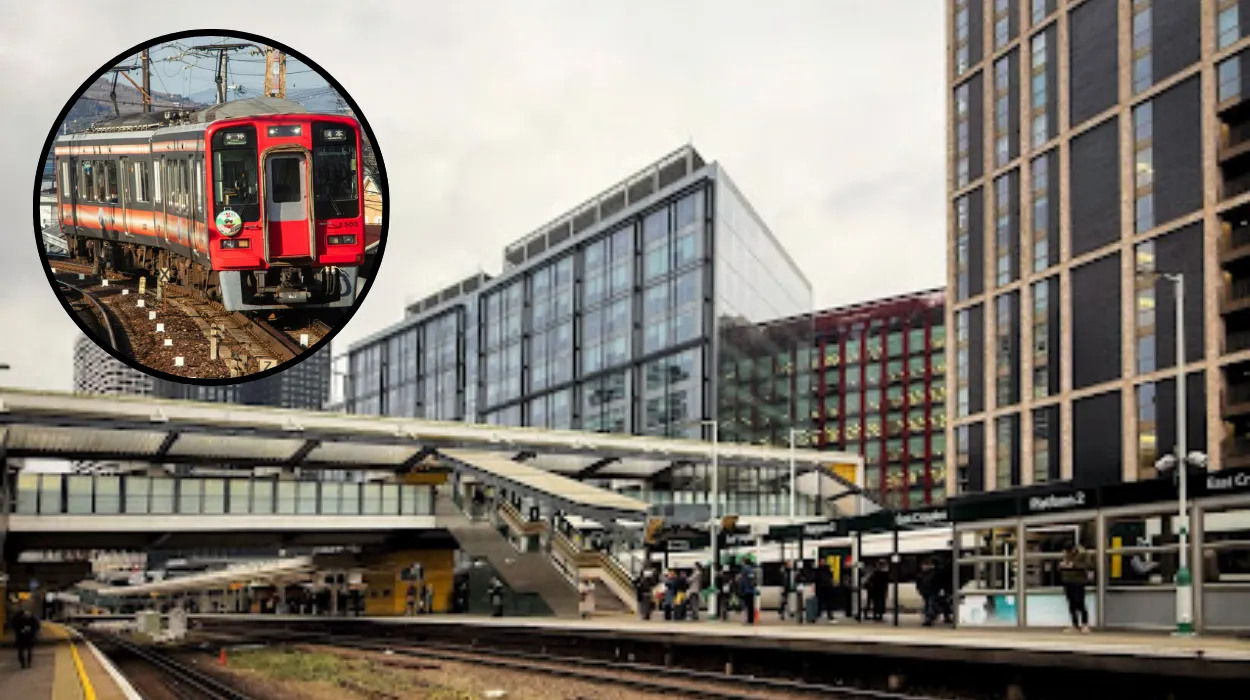
Croydon (Extra London News) 10 February 2026 – Commuters travelling through East Croydon on Southern and Thameslink services faced delays of up to 25 minutes on Tuesday morning after a fault developed in the signalling system at the station, according to National Rail and operator updates.
The disruption, reported at 10:42 and still affecting services at 11:00, has forced changes to several Southern “Metro” routes and introduced knock‑on delays on Thameslink services using the northbound line through platform 4. Passengers were urged to allow an extra 10–20 minutes for their journeys and to check live departure boards or journey‑planning apps before setting off.
- Key points
- What caused the Southern and Thameslink delays in Croydon?
- Which Southern and Thameslink routes are affected?
- What are passengers being advised to do?
- How does this fit into wider Croydon rail disruption trends?
- How are local authorities responding to the disruption?
- Will there be further disruption later in 2026?
What caused the Southern and Thameslink delays in Croydon?
A signalling problem at East Croydon is the root cause of the congestion, National Rail stated in its incident notice for 10 February 2026. “A fault with the signalling system at East Croydon means that lines are disrupted. Trains running through this station may be delayed by up to 25 minutes or revised as a result,” the alert reads.
Network Rail engineers were on site working to resolve the fault, with staff closely monitoring progress as trains were rerouted and schedules adjusted.
Which Southern and Thameslink routes are affected?
The most significant delays are concentrated on the northbound line through platform 4, which carries Southern and Thameslink services from the Redhill area, East Grinstead, Uckfield, Caterham and Tattenham Corner towards London.
Minor delays are also being reported on Gatwick Express services between London Victoria and Gatwick Airport, which use East Croydon as a key interchange point. To ease congestion, Southern has introduced temporary alterations to some “Metro” services operating between London Bridge, East Croydon and South Croydon.
Under the revised pattern, trains from London Bridge towards East Croydon (via Tulse Hill) will be extended to South Croydon and then return from there, calling at East Croydon en route. In addition, services from Watford Junction to East Croydon will terminate at Selhurst, while northbound trains from East Croydon to Watford Junction will start from Selhurst instead of East Croydon. These changes mean some passengers may need to change trains more often to reach their final destinations, particularly on cross‑London routes that normally run through East Croydon without requiring an interchange.
What are passengers being advised to do?
National Rail and Southern are urging travellers to check their journeys before setting off and to allow extra time for delays. Passengers are also reminded that, despite the changes, they can still travel on their normal routes, even if services are delayed or altered.
Commuters are encouraged to use live departure boards, the National Rail Enquiries journey planner, or the Southern and Thameslink apps for up‑to‑the‑minute information.
However, the operator warns that further changes, cancellations or delays could still occur depending on how quickly the signalling fault is resolved and how quickly services can be restored to their normal pattern.
Passengers who experience significant delays or cancellations may be entitled to compensation, National Rail indicates. The exact terms depend on the operator’s delay‑repay or compensation scheme, which typically requires a minimum delay threshold (often 15 or 30 minutes) and proof of travel such as a ticket or smart‑card record.
How does this fit into wider Croydon rail disruption trends?
Croydon has seen repeated signalling and infrastructure issues over recent years, with East and West Croydon stations frequently cited in National Rail disruption notices. In June 2025, for example, a points failure at East Croydon caused widespread delays and cancellations for Southern and Thameslink, with services only gradually returning to normal by the end of the day.
More recently, engineering overruns and planned works have also contributed to reduced services through the Croydon corridor, with National Rail warning of “a reduced service across the network” when weekend engineering work runs late. Tuesday’s signalling fault at East Croydon adds to that pattern, underscoring the pressure on a key interchange that handles large volumes of Southern, Thameslink and Gatwick Express traffic every weekday. Industry analysts and rail commentators have previously highlighted that Croydon’s signalling and track layout is a known pinch‑point, particularly on the northbound approach to East Croydon where multiple lines converge.
In a separate incident involving a person hit by a train on a Thameslink line, a spokesperson for the operator told the BBC that signalling malfunctions elsewhere on the network can quickly ripple through Croydon, leading to cancellations and delays of up to 20 minutes on affected routes.
Such events have prompted calls from local politicians and transport groups for longer‑term investment in signalling upgrades and capacity improvements around East Croydon, although Network Rail has so far focused on short‑term fault‑fixing and timetable adjustments during incidents.
How are local authorities responding to the disruption?
Croydon Council and Transport for London (TfL) have not issued a separate statement specific to the 10 February 2026 signalling fault, but both bodies have previously highlighted the impact of rail disruption on local bus networks and road congestion. In earlier disruption episodes, TfL has advised commuters to consider alternative routes via bus or tram where possible, particularly for journeys within the borough that do not require long‑distance rail travel.
Will there be further disruption later in 2026?
Planned engineering works later in 2026 are already listed on the National Rail engineering‑works page for East Croydon, including amended Southern and Gatwick Express services on Sunday 22 February 2026. Those changes are scheduled in advance and relate to planned track and signalling upgrades rather than unplanned faults.
However, the unplanned signalling fault on 10 February 2026 serves as a reminder that even outside major engineering weekends, Croydon’s rail corridors remain vulnerable to sudden disruption.