Key Points
- Residents and customers in parts of Dulwich and Sydenham have experienced low water pressure or interruptions to their water supply since Saturday, October 11, 2026.
- Thames Water said its teams worked through the night into Wednesday, October 14, installing additional equipment to improve the stability of the local water network.
- Several burst pipes and leaks remain to be repaired, with work continuing at multiple locations across south-east London.
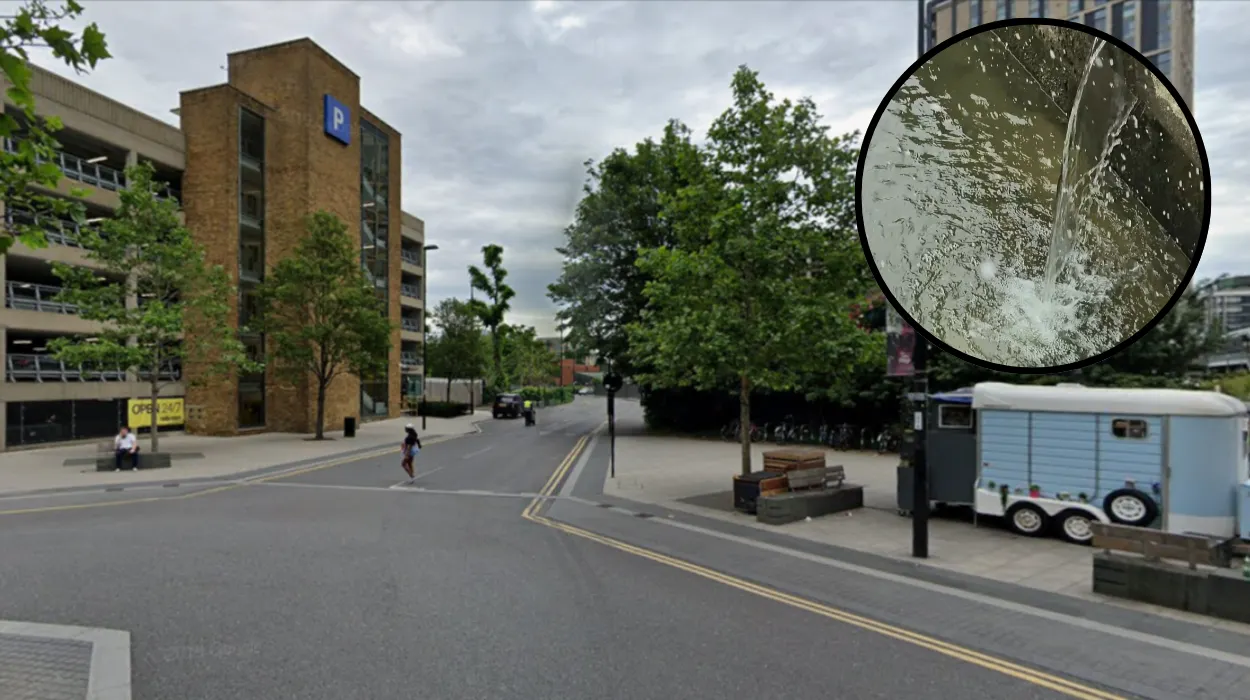
- Repair crews are working on a burst pipe on Sydenham Rise, near the Horniman Museum.
- Further repairs are planned at Dulwich Common and at the junction of Lordship Lane and London Road, near Wood Vale.
- A burst pipe on Lordship Lane has already been repaired, although other leaks continue to affect the network.
- Thames Water has warned that residents in high-rise buildings may continue to experience low water pressure during periods of high demand.
- Water tankers are being used to pump additional water into the network while repair work continues.
- Traffic management measures remain in place around the affected locations, and motorists have been advised to allow extra time for their journeys.
Extra London News (ELN) October 14, 2026 – Dulwich and Sydenham residents are continuing to experience water supply problems as Thames Water carries out repairs to burst pipes and leaks across south-east London. The company said on Wednesday, October 14, that teams had worked overnight and installed additional equipment to help stabilise the network. Several repairs remain outstanding, and some customers, particularly those living in high-rise buildings, may continue to experience reduced water pressure during periods of high demand. Traffic management arrangements are also affecting travel through the area.
- Key Points
- What Is Causing the Continuing Water Supply Problems in South-East London?
- What Progress Has Thames Water Made With the Repairs?
- Where Are Repair Crews Working Across Dulwich and Sydenham?
- Why Is Sydenham Rise a Priority?
- What Repairs Are Planned at Dulwich Common?
- Where Will the Final Repair Take Place?
- Why Could Some Residents Still Experience Low Water Pressure?
- How Are Water Tankers Helping Maintain Supplies?
- How Are the Water Repairs Affecting Traffic and Local Travel?
- What Should Affected Residents Know While Repairs Continue?
- Background: Why Have Water Supply Problems Affected Dulwich and Sydenham?
What Is Causing the Continuing Water Supply Problems in South-East London?
According to the report published by News Shopper, customers in parts of Dulwich and Sydenham have faced reduced water pressure or interruptions to their water supply since Saturday, October 11. The disruption has continued into Wednesday, October 14, as repair crews work to address multiple bursts and leaks affecting the local water network.
The problems have required Thames Water to deploy teams across several locations, with repairs being carried out in stages. The company has also installed additional equipment intended to make the network more stable while work continues.
The available information identifies several locations requiring attention, including Sydenham Rise, Dulwich Common and the junction of Lordship Lane and London Road near Wood Vale. Although one burst on Lordship Lane has already been repaired, other outstanding faults mean the repair programme remains ongoing.
An earlier report published by London Headlines on October 11 said customers in postcodes SE21, SE22 and SE23 could experience low pressure or interruptions following leaks in the Dulwich area. The report identified problems involving Lordship Lane, London Road and Dulwich Common.
The precise number of affected households has not been established in the information available. It is therefore not possible to quantify the full extent of the disruption or determine how many properties have experienced a complete loss of water rather than reduced pressure.
What Progress Has Thames Water Made With the Repairs?
Thames Water said its teams worked through the night leading into October 14 and installed additional equipment to improve the stability of the water network.
The overnight work forms part of the company’s efforts to manage the disruption while repairing the damaged infrastructure. However, the installation of additional equipment has not meant that all the problems have been resolved.
Several bursts and leaks still require attention, and repair crews are continuing to work at different locations. The company has also warned that supply conditions may remain inconsistent for some customers while the work progresses.
The repair programme involves addressing individual faults in sequence. Crews are currently working on a burst pipe on Sydenham Rise, near the Horniman Museum. Once that work is complete, traffic management arrangements are due to move to Dulwich Common so that another repair can be undertaken.
The next stage involves work on a leak at the junction of Lordship Lane and London Road, near Wood Vale. According to the News Shopper report, this is the final repair identified in the current sequence.
A burst on Lordship Lane has already been repaired, representing one completed element of the wider response. Nevertheless, the remaining faults mean that residents cannot yet assume that water pressure and supply have returned to normal throughout the affected area.
The company has not provided a confirmed overall completion time in the supplied report. Consequently, the precise point at which every affected customer will receive a normal supply remains uncertain.
Where Are Repair Crews Working Across Dulwich and Sydenham?
The repair programme covers several locations, with traffic management being adjusted as work moves between sites.
Why Is Sydenham Rise a Priority?
Sydenham Rise is the location of a burst pipe that repair crews are currently addressing. The site is near the Horniman Museum, a recognisable local landmark that helps identify the area affected by the works.
Repairing the burst is part of the immediate effort to resolve the continuing water network problems. Once crews complete the work, the traffic management arrangements are expected to move to the next repair location.
The supplied report does not specify the size of the damaged pipe, the volume of water lost or the exact number of properties affected by this particular burst.
What Repairs Are Planned at Dulwich Common?
Dulwich Common is scheduled to be the next location after the current work on Sydenham Rise is completed.
Traffic management will be moved to the road to allow crews to undertake the next repair. This arrangement indicates that the work is being coordinated across multiple sites rather than confined to a single damaged pipe.
The information provided does not establish how long the repair at Dulwich Common will take. Motorists should therefore account for possible delays while the traffic arrangements remain in place.
Where Will the Final Repair Take Place?
The final repair in the sequence described by News Shopper is planned for a leak at the junction of Lordship Lane and London Road, near Wood Vale.
Lordship Lane has already been the subject of repair work, with one burst reported as fixed. However, the remaining leak at the junction means further work is still required in the wider area.
The distinction between the completed burst repair and the outstanding leak is important: fixing one fault does not necessarily resolve other problems affecting the same local network.
The company has not confirmed a single deadline for completing all the remaining work across these locations.
Why Could Some Residents Still Experience Low Water Pressure?
Thames Water has specifically warned that customers living in high-rise buildings may continue to experience lower water pressure during periods of high demand.
This warning means that the restoration process may not produce the same results for every property at the same time. Even where water remains available, pressure can still be below normal levels.
High-rise buildings may be particularly affected when the network is under pressure during busy periods. Residents in such properties should therefore distinguish between having some water available and having normal pressure restored.
The warning also indicates that the company expects supply conditions to remain vulnerable while repairs are underway.
The supplied report does not identify particular tower blocks or individual buildings experiencing the greatest difficulties. It also does not provide a detailed timetable for when normal pressure will return to every property.
An earlier report from Capital Post, published on October 11, described multiple leaks causing flooding and supply problems in the wider Dulwich area. It reported that Thames Water was moving water around its network to help maintain supplies while specialist teams investigated the faults and prepared repairs.
That earlier response provides context for the company’s continuing use of network management measures. However, the latest report confirms that additional equipment and repair work are now part of the effort to stabilise the system.
How Are Water Tankers Helping Maintain Supplies?
Thames Water is using water tankers to pump additional water into the network while repairs continue.
The measure is intended to support the local supply during a period when bursts and leaks are affecting normal network operation. It forms part of the company’s efforts to maintain water availability as crews work on the damaged infrastructure.
The use of tankers does not, by itself, confirm that all customers will receive normal pressure. The company’s separate warning about high-rise buildings indicates that some properties may continue to experience difficulties when demand increases.
The available report does not state how many tankers are being used, their exact locations or how much additional water they are supplying. It also does not confirm whether bottled water distribution points have been established as part of the latest response.
Residents should therefore rely on confirmed information from Thames Water for details about any local assistance or supply arrangements.
The earlier Capital Post report said the company was prioritising the maintenance of supplies while reducing flooding and minimising disruption. It also described traffic measures intended to protect residents and road users from hazards associated with flooding and damaged road surfaces.
These details relate to the earlier stage of the incident and should not be taken as confirmation of the current status of every affected street.
How Are the Water Repairs Affecting Traffic and Local Travel?
Traffic management remains necessary while repair crews work at the affected locations.
As the programme moves from Sydenham Rise to Dulwich Common and then to the Lordship Lane and London Road junction near Wood Vale, traffic arrangements will also need to change.
This can affect motorists travelling through the area, particularly those whose journeys take them past the repair sites. Thames Water has advised people travelling through the affected locations to allow extra time for their journeys.
The warning is relevant to local residents, commuters, delivery drivers and other road users who may encounter temporary traffic controls.
The supplied report does not provide a complete list of road closures, diversion routes or expected journey delays. It would therefore be inappropriate to state that any particular road is fully closed unless that information is confirmed separately.
A report published by Dulwich Today on October 12 also described a separate burst water main that had closed Dog Kennel Hill in both directions at its junction with St Francis Road. The publication reported that five bus routes — the 40, 176, 185, 484 and P13 — were being diverted, based on information from Transport for London.
That report demonstrates that emergency water infrastructure work has also affected travel elsewhere in the wider Dulwich area. However, the available evidence does not establish that the Dog Kennel Hill incident is part of the same repair sequence described in the latest News Shopper report.
Travellers should check current traffic and public transport information before setting out, particularly if their journeys pass through areas affected by emergency utility work.
What Should Affected Residents Know While Repairs Continue?
The main immediate concern for residents is that water supply conditions may remain variable until the outstanding repairs are completed and the network becomes more stable.
Households experiencing low pressure should not assume that a repaired pipe elsewhere means their own supply has returned to normal. The company has identified several separate repair locations, and some customers may continue to experience problems during periods of high demand.
Residents in high-rise buildings should be particularly aware of the company’s warning about pressure. Those who continue to experience an interruption or a significant reduction in supply should consult Thames Water’s official service updates for information relevant to their property.
The available reports do not provide a confirmed restoration time for every affected household. They also do not establish the final number of customers affected, the precise cause of every leak or the total duration of the repair programme.
For road users, the practical advice remains to allow extra time for journeys through the affected locations. Traffic management is expected to move as repair work progresses, meaning that conditions may change between sites.
The distinction between completed and outstanding work remains central to understanding the incident. One burst on Lordship Lane has been repaired, but work on Sydenham Rise, Dulwich Common and the leak near Wood Vale remains part of the reported programme.
Background: Why Have Water Supply Problems Affected Dulwich and Sydenham?
The latest disruption follows reports of multiple leaks and water supply difficulties in south-east London.
In its October 11 report, London Headlines said Thames Water had identified problems affecting customers in SE21, SE22 and SE23, with specialist teams investigating leaks and supporting customers affected by flooding. The report said the company was moving water around its network to help maintain supplies while preparing repairs.
Capital Post also reported on October 11 that leaks had caused flooding and left some households with low pressure or no water. Its coverage described the company’s efforts to reduce flooding, maintain supplies and minimise disruption while repair plans were developed.
The October 14 update indicates that the situation has progressed from investigating the problems and planning repairs to carrying out repairs at identified locations. Additional equipment and water tankers are also being used as the company works to stabilise the network.
The wider context includes previous water supply incidents in south London, although those events should not be confused with the current disruption. For example, The Standard reported in February 2025 that a major burst main affected thousands of residents around Crystal Palace and other parts of south London. That was a separate incident and does not establish the cause of the October 2026 problems.
For the current incident, the key confirmed facts remain the ongoing repairs, the additional equipment installed by Thames Water, the use of tankers and the warning that some high-rise customers may continue to experience low pressure.