Key Points
- Network Blockage: An unidentified obstruction on the railway track completely blocked the inbound line towards Oxted, forcing immediate operational halts.
- Significant Delays: Southern Railway services operating between East Croydon and Oxted faced profound visual delays, cancellations, and unexpected route revisions.
- Official Warnings: National Rail and Network Rail issued immediate advisory notices urging all local passengers to check live journey planners before attempting to travel.
- Mechanical Complications: Rail operators confirmed that the disruption stemmed from an item becoming physically trapped around the shoe gear mechanism of a train.
- Financial Redress: Commuters subjected to these delays have been officially declared eligible to claim compensation using National Rail’s standard “Delay Repay” framework.
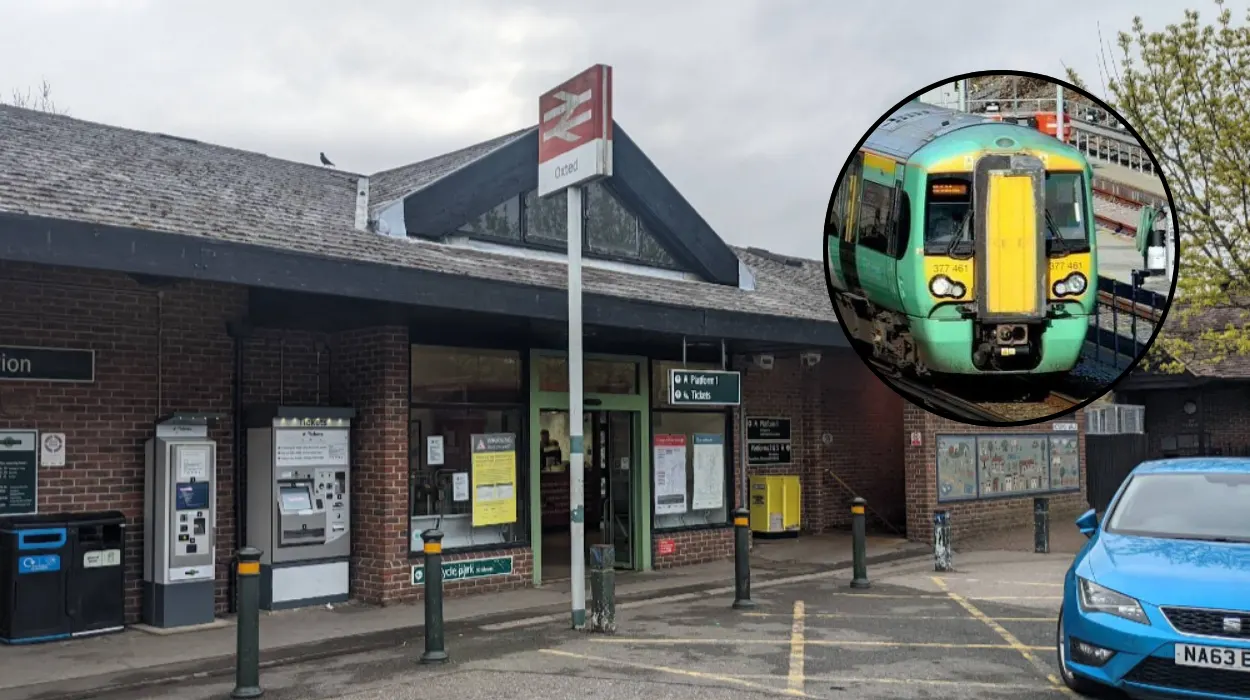
East Croydon (Extra London News) May 21, 2026 – Southern Railway commuters across Greater London and Surrey faced severe afternoon travel disruptions today after an operational track obstruction completely blocked a critical southern transit corridor. The unexpected incident, which occurred on the line running directly between East Croydon and Oxted, forced immediate cancellations, route alterations, and cascading delays across the commuter network. Emergency response units and dedicated rail infrastructure engineers were immediately deployed to the site to clear the line and restore normal service windows for thousands of stranded passengers.
What Caused the Unexpected Rail Disruption Today?
As reported by reporter Deb Gayen of London Now, the transport system ground to a sudden halt after an obstruction was detected directly on the physical lines running between the stations. As a direct consequence of the object on the track, the line running towards Oxted became entirely impassable, preventing scheduled commuter services from continuing along their mapped paths.
In an official public statement released directly to the press, a Network Rail spokesperson clarified the immediate geographic impact of the incident:
“An obstruction on the track between East Croydon and Oxted means that the line towards Oxted is blocked. As a result, trains running between these stations may be delayed.”
According to the initial operational findings distributed by the carrier and documented by London Now, the disruption was initially slated to last until at least 17:00. However, subsequent technical assessments from regional control centers revealed that the physical nature of the obstacle required more extensive engineering interventions, stretching the formal delay warnings across the network.
How Did the Obstruction Affect Train Mechanics and Operations?
According to a detailed technical bulletin issued by Southern’s sister network, Thameslink Railway, the root cause of the line blockage went beyond a simple object resting on the rails. The operational logs revealed that a foreign object present on the physical infrastructure had become actively entangled in a moving passenger train.
The Thameslink Railway technical service update explicitly detailed the mechanic nature of the failure:
“A item on the railway had become trapped around part of a train which needed removing. This has since been done and the line towards Oxted is expected to reopen shortly.”
Providing deeper context into the mechanical vulnerability of the rolling stock, the Thameslink Railway fleet department explained that the system encountered specific mechanical stress regarding its lower electrical contacts. The infrastructure management team stated:
“We’ve been informed of a problem with the shoe gear on a train in the area. To allow trains to draw power from the electric third rail, they are fitted with metal plates near the wheels, known as shoe gear. Although this system is very reliable, there are still various issues which can occur.”
The rail operator further clarified that these specialized collector shoes are engineered with built-in safety fail-safes. The equipment is designed to detach completely if it impacts a rigid object rather than transmitting structural shock or damage to the underlying carriage frame. However, when smaller debris like stray bags, industrial litter, or structural elements get stuck, the shoe gear becomes heavily obstructed, requiring human intervention before the locomotive can safely draw power or proceed.
Explore More Croydon News
Southern delays at East Croydon 10 Feb 2026
Southern Trains Cancelled This Sunday: East Croydon Travel Disruption 2026
What Advice Has Been Given to Stranded Passengers?
In the immediate wake of the line closure, national transport watchdogs stepped in to manage the flow of travellers at major South London hubs. As recorded by reporter Deb Gayen of London Now, National Rail advised all affected passengers to consistently use its digital, real-time online journey planner to verify train statuses before setting foot on station platforms.
Furthermore, as noted in the travel bulletins published across the National Rail network, commuters were warned that they would need to build substantial structural padding into their commutes. The official carrier advisory noted:
“You will need to allow extra time to complete your journey this afternoon between these stations.”
To help mitigate the localized gridlock, Southern Railway worked alongside London Underground and regional bus operators to secure widespread ticket acceptance across alternative transit routes. Commuters holding valid Southern tickets were permitted to utilize local London Bus routes between the wider Croydon area, Sanderstead, Riddlesdown, and Upper Warlingham to bypass the blocked Oxted route entirely.
How Long Is the Secondary Disruption Expected to Last?
While track teams worked to physically extract the trapped debris from the train’s lower carriage, the knock-on effects rippled heavily into the late-night timetables. According to updated service alerts published by Thameslink Railway, the formal expectation for normal service resumption was pushed back substantially from late afternoon to 18:30 as rolling stock repositioning caused secondary bottlenecks.
The structural impact on evening travel extended to specific long-distance Southern services. In official notices published by the operator’s digital desk, it was confirmed that:
- The 22:07 London Bridge to Uckfield service would be forced to terminate early at Oxted.
- A dedicated replacement bus service had to be arranged to ferry passengers onward from Oxted to Crowborough and Uckfield.
- The 23:22 London Victoria to East Grinstead service was cancelled entirely, with passengers actively instructed to board alternative trains to East Croydon.
Compounding these unexpected infrastructure failures, commuters were already navigating planned overnight line closures. As previously reported by transport reporter Ezekiel Bertrand of London Now, pre-planned engineering works were scheduled between the Purley and Norwood Junction areas for the week of May 18 to May 22. These works had already altered the 23:54 London Victoria to Oxted service to terminate at East Croydon, making today’s additional track obstruction a double blow for regular evening travellers.
Are Affected Commuters Eligible for Financial Compensation?
As the delays exceeded standard operating tolerances, rail authorities moved to confirm financial recourse for the public. As published in the official consumer rights section of the National Rail Enquiries directory, passengers who suffered significant trip disruption are legally entitled to monetary clawbacks.
The consumer rights notice states:
“You may be entitled to compensation if you experience a delay in completing your journey today. Please keep your train ticket and make a note of your journey, as both will be required to support any claim.”
The compensation is processed through the state-regulated “Delay Repay” scheme, which calculates payouts based on the total duration of the delay at the passenger’s final destination, utilizing the physical ticket details as official proof of travel.