Key Points
- Major Urban Upgrades Proposed: A series of new planning applications has been formally lodged with Islington Council, outlining significant architectural and commercial modifications within the borough.
- Residential Extension Detailed: Property owners at 12 Coombs Street, London, have requested full planning permission for the erection of an additional storey onto a rear outrigger alongside major front facade modifications.
- Digital Advertising Expansion: A separate commercial proposal outlines plans for the installation of a prominent, free-standing digital advertising structure featuring back-to-back screens on the pavement of Caledonian Road.
- Public Access and Oversight: Authorities are actively directing local residents to utilize the centralized Public Notice Portal to monitor, view, and comment on statutory planning, licensing, and road closure applications across their neighbourhoods.
- Legal Accountability Maintained: All applications have been registered via official regulatory streams, establishing specific legal reference tags for public evaluation and community feedback prior to formal committee decisions.
London (Extra London News) June 13, 2026 – Critical new architectural modifications and public infrastructure shifts are poised to alter the landscape of the London Borough of Islington, following the formal submission of multiple development applications to Islington Council. The newly unveiled documentation details highly contrasted urban interventions, spanning from a vertical residential extension in a dense neighborhood to a state-of-the-art commercial digital marketing structure positioned alongside one of the area’s busiest thoroughfares. As local planning authorities open these proposals for public scrutiny, community members are being actively encouraged to review the statutory declarations to assess the long-term structural and visual implications for the locality.
What Are the Specific Architectural Changes Proposed for Coombs Street?
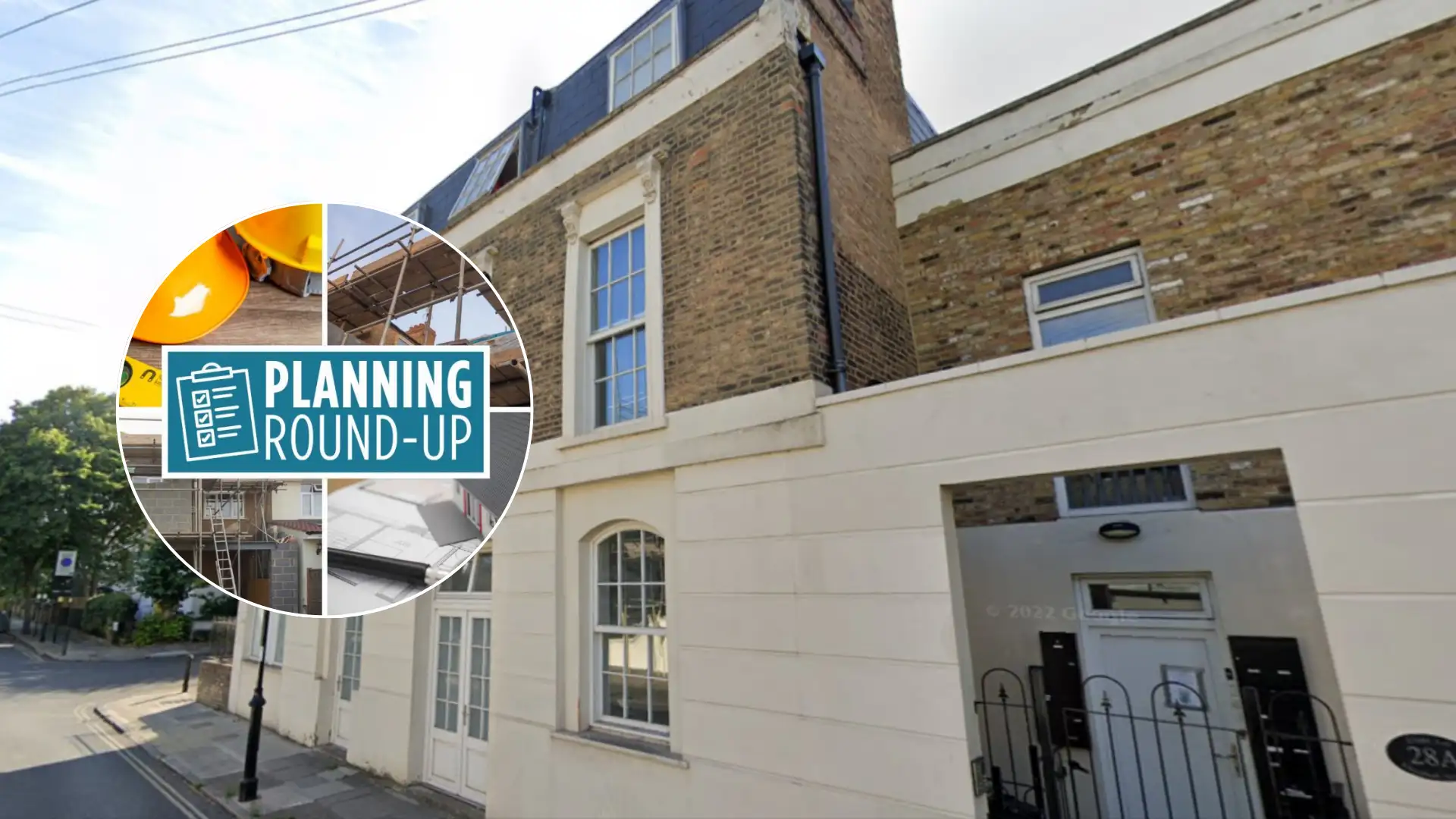
As reported by an official staff reporter of the Times Series, a comprehensive full planning application has been submitted for a residential property situated at 12 Coombs Street, London, N1 8DJ. The application, which has been assigned the formal reference number P2025/3043/FUL by municipal loggers, outlines an ambitious vertical expansion designed to maximize internal living spaces within a historically constrained urban footprint.
According to the architectural blueprints and documents submitted by the applicant to the Environment and Regeneration department of Islington Council, the proposal centers entirely on the erection of an additional storey to the existing rear outrigger of the property. In addition to this substantial rear modification, the development layout calls for simultaneous structural changes to the building’s street-facing profile. The application formally details the insertion of matching double doors to the front elevation, a move aimed at modernizing access points while remaining sensitive to the surrounding residential aesthetic.
The submission of this application signals a growing trend of vertical expansion among homeowners in the borough. Space constraints within central London have increasingly driven residents to optimize existing outriggers—the historical structural extensions projecting from the rear of terraced homes—rather than attempting lateral expansions that compromise valuable garden or courtyard zones.
Explore More Islington News
Benali Hamdache Takes Green Party City Hall Seat: London 2026
Radio Nigeria Veteran Roseline Ogunro Named Mayor of Islington London 2026
How Will the New Caledonian Road Digital Advertising Structure Impact the Area?
In a separate development focused purely on commercial infrastructure and public realm visual changes, a fresh advertisement consent application has been brought before the local planning authority. As noted in the formal public record published by the Times Series, this proposal targets a heavily trafficked public walkway situated outside a prominent local address.
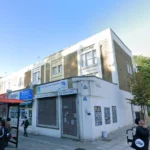
The exact site of the proposed infrastructure is the pavement outside 476 Caledonian Road, London, N7 8TB. Registered under the official reference tracker Ref. No: P2025/2487/ADV, the application seeks explicit legal authorization for the installation of a substantial, free-standing advertising structure. Unlike traditional static paper billboards, this unit is designed to house two high-definition digital displays arranged back-to-back. This design choice ensures that promotional material remains continuously visible to pedestrian and vehicular traffic moving in both directions along the major transport artery.
The introduction of modern digital signage on Caledonian Road represents a contentious step in the council’s ongoing management of commercial spaces. While digital structures offer dynamic utility and potential revenue streams, they frequently draw scrutiny from community groups concerned with visual clutter, light pollution, and pedestrian safety on public footpaths.
How Can Local Residents Track and Object to Islington Planning Applications?
As reported by regional monitoring networks via the Times Series, municipal authorities and civic transparency groups are placing a heavier emphasis on digital tracking mechanisms to keep the local populace informed. To ensure comprehensive democratic participation, residents seeking to discover all the latest planning applications, alcohol licensing applications, and planned road closures near their homes are being directed to utilize the national Public Notice Portal.
The platform, accessible universally at www.publicnoticeportal.uk, operates as a centralized hub designed to aggregate statutory public notices that were historically confined to the physical back-pages of regional print newspapers. A digital service representative for the portal stated that the system represents “the fastest and most effective way of finding out what is happening in your neighbourhood,” allowing users to filter by postcode and drop localized pins to monitor development changes within a precise radius.
Under standard operating guidelines managed by the Environment and Regeneration branch of Islington Council, the publication of these applications triggers a mandatory 21-day public consultation window. During this phase, neighbours, local amenity groups, and relevant statutory bodies have a legal right to submit written comments, support letters, or formal objections. These representations are compiled by case officers and play a critical role in determining whether an application is granted delegated approval or referred upward to a public planning committee for a final vote.
What Is the Current Timeline for an Official Council Decision?
According to the statutory procedural documentation published directly by the Islington Council Planning and Building Control division, small-scale minor applications—such as the rear outrigger extension on Coombs Street and the advertisement consent on Caledonian Road—are governed by strict target timelines. The council’s structural guidelines state that minor applications are “normally decided within eight weeks” from their official validation date, provided no major legal bottlenecks or environmental assessments are triggered during the review process.
Once an application is formally validated by internal teams, case officers conduct site visits to evaluate factors such as overshadowing, the loss of natural light for adjoining properties, architectural harmony, and the historical conservation status of the neighborhood. For the Caledonian Road digital structure, inspectors will place additional scrutiny on public safety, assessing whether the illumination levels or physical placement of the free-standing unit could blind motorists or obstruct individuals with limited mobility using the public pavement.
If an application encounters significant local resistance or fails to meet the strict criteria outlined within the Islington Local Plan, applicants are frequently given the opportunity to amend their designs prior to a refusal notice. Alternatively, if a project is rejected, the applicants retain the statutory right to appeal the decision through the independent national Planning Inspectorate.