Key Points
- Compton School launches cyber club.
- Prepares students for cyber jobs.
- Uses mobile Cyber Lab Kali Linux.
- Inspires next cyber defenders UK.
- Students gain practical safe skills.
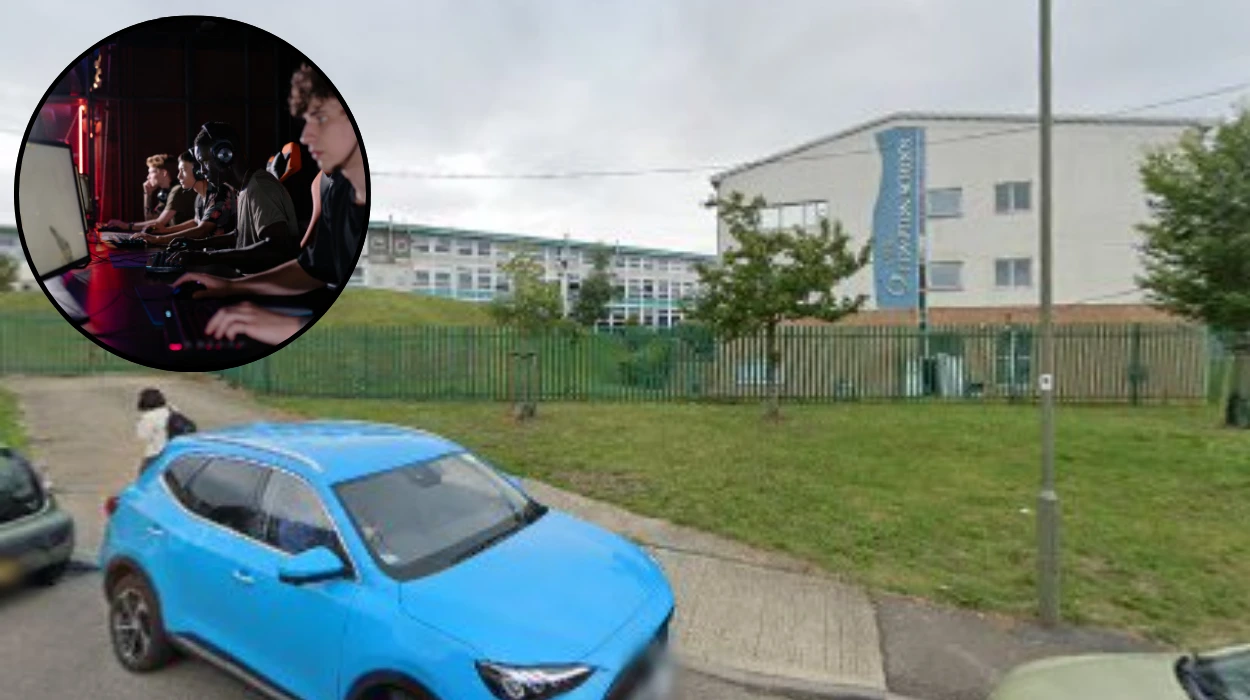
North Finchley (Extra London News) March 10, 2026 – The Compton School in Summers Lane, North Finchley, has launched a new cyber security club aimed at equipping students with practical skills for jobs in the rapidly expanding cyber security sector. This weekly initiative seeks to inspire the next generation of cyber defenders to safeguard the United Kingdom’s critical systems through hands-on digital training. As reported by journalists at Barnet Post, the school has established a fully mobile Cyber Lab network, isolated from its primary IT infrastructure, allowing safe use of professional tools like Kali Linux for device investigation and securing.
- Key Points
- What Sparked the Launch of This Cyber Security Club?
- How Does the Cyber Lab Enable Safe Student Training?
- Why Is Cyber Security Training Vital for UK Students in 2026?
- What Do Students and Staff Say About the Club’s Impact?
- What Is the Broader Context of UK School Cyber Initiatives?
- How Does North Finchley Fit into London’s Cyber Ecosystem?
- Who Are the Key Figures Behind the Compton School Club?
- Why Should Parents Support Such Initiatives?
What Sparked the Launch of This Cyber Security Club?
The Compton School introduced the cyber security club as part of its extensive co-curricular offerings to bridge the gap between theoretical learning and real-world application.
Mr Sekukuni Sisulu, the computing subject lead at the school, stated: “The cyber security club is part of our extensive co-curricular offer at The Compton. We introduced it alongside the AQA Level 3 BTEC in Information Technology to give students practical experience to complement the theory, particularly in cyber security and incident management.”
He further elaborated that the club has broadened to build students’ skills, confidence, and ethical awareness for the digital sector, noting the fantastic response from participants.
This launch aligns with broader UK efforts to address the cyber skills shortage, as highlighted in various national initiatives. For instance, the National Cyber Security Centre’s (NCSC) CyberFirst Schools programme recognises institutions committed to developing young people’s cyber skills, awarding gold, silver, or bronze status. Although not explicitly linked in reports, such programmes underscore the timeliness of The Compton School’s move in North Finchley.
How Does the Cyber Lab Enable Safe Student Training?
The school’s innovative Cyber Lab is a standout feature, comprising a mobile network separate from main systems to prevent any risk to infrastructure. Students utilise professional-grade tools such as Kali Linux, a popular penetration testing distribution to explore cyber security techniques like device investigation and fortification. According to Barnet Post reporting, systems in this lab can be restored within minutes, facilitating rapid experimentation while maintaining safety protocols.
All participants, including Year 11 student Borys and Year 12 student Philip, have provided parental consent and signed acceptable-use agreements to ensure responsible skill application.
Borys commented: “the freedom to experiment safely and legally.”
Philip added that the sessions are “educational and inspirational.” This controlled environment mirrors industry practices, preparing pupils for roles where ethical hacking and defence are paramount.
Why Is Cyber Security Training Vital for UK Students in 2026?
The United Kingdom faces a persistent cyber skills gap, with demand for professionals far outstripping supply in 2026. Reports indicate thousands of vacancies for roles like Cybersecurity Analyst, SOC Analyst, Penetration Tester, Cloud Security Engineer, and Incident Response Analyst, particularly in cloud and AI-driven threat areas. Employers prioritise hands-on experience, certifications, and Capture The Flag (CTF) participation over degrees alone, making school clubs like this one crucial entry points.
Government-backed schemes, such as the Cyber Explorers platform, have engaged over 60,000 Key Stage 3 pupils in concepts like digital forensics and encryption. The new Cyber Explorers Cup invites teams to compete in CTF-style missions, further emphasising practical preparation. As noted in earlier pilots like the North West CyberFirst rollout, reaching over 500 schools, these efforts aim to cultivate ecosystems addressing the talent shortage.
What Do Students and Staff Say About the Club’s Impact?
Student feedback highlights the club’s appeal. Year 11 pupil Borys values the “freedom to experiment safely and legally,” while Year 12’s Philip finds it “educational and inspirational.”
Mr Sekukuni Sisulu emphasised its role in complementing the BTEC IT qualification, stating: “The club has since broadened to help our students build the skills, confidence, and ethical awareness they need to succeed within the rapidly expanding digital sector. The response from students has been fantastic, and it has been a learning journey for all of us.”
These testimonials reflect a broader enthusiasm seen in similar initiatives. For example, in the CyberFirst Northeast programme, schools deliver excellence in cyber education to foster passion for technology. The Compton School’s approach echoes this, positioning North Finchley pupils as future contributors to national cyber resilience.
Introduced alongside the AQA Level 3 BTEC, the club initially focused on cyber security and incident management theory-to-practice translation. It has since expanded, incorporating ethical considerations and broader digital sector readiness, as per Mr Sisulu’s account. The mobile lab’s quick-reset capability has enabled iterative learning without downtime, enhancing engagement.
What Is the Broader Context of UK School Cyber Initiatives?
Across the United Kingdom, schools are ramping up cyber education amid rising threats. The NCSC’s CyberFirst certifies committed institutions, with 49 recognised since 2020. Northern Ireland’s Cyber Security Centre promotes this for schools and colleges alike. A 2023 pilot by Hg Foundation, CyberFirst, and RTC North equipped teens with foundational skills through workshops and defensive scenarios.
Free platforms like Cyber Explorers teach 11- to 14-year-olds essentials, rolling out to areas like Birmingham and Bradford. The £20 million Cyber Schools Programme, launched earlier, targeted 6,000 teens with mixed curricula including games and hands-on challenges. These align with The Compton School’s efforts, though localised to North Finchley.
In 2026, UK cyber jobs emphasise practical prowess. Top roles include Cybersecurity Analyst (monitoring threats), SOC Analyst (real-time response), and Penetration Tester (ethical hacking). Cloud Security Engineers and Incident Response Analysts are in highest demand due to digital transformation. Salaries reflect this: entry-level analysts earn competitively, with growth tied to certifications like CompTIA Security+ or practical lab experience.
Apprenticeships, such as Barclays’ Technology Cyber & Security Programme starting in 2026, offer agility in security delivery. Graduates entering via programmes like Deloitte’s Cyber Security intake gain innovation-driven exposure. The Compton club’s Kali Linux training directly prepares for such penetration testing demands.
How Does North Finchley Fit into London’s Cyber Ecosystem?
North Finchley, in Barnet, benefits from proximity to London’s tech hubs. The Compton School on Summers Lane leverages its outstanding facilities, including a Sixth Form Cyber-Café, to support this club. Barnet Post coverage positions it as a community leader in addressing national needs locally.
Similar global efforts, like India’s QCS Cyber Security Club with police collaboration on fake news and protocols, highlight international parallels, though UK-focused here. NCSC initiatives in regions like the North West inspire such local adaptations.
The UK’s cyber talent shortage persists, with 81% of professionals noting rising skill value. Without interventions like this club, critical infrastructure remains vulnerable. Reports stress the need for inclusive training, as in Aspire Cyber’s National Cybersecurity Club model (US-based but conceptually similar).
Industry collaborations, such as HOST’s North West pilot, aim to skill up via ecosystems. The Compton School’s ethical focus counters risks like misuse, ensuring responsible graduates.
Who Are the Key Figures Behind the Compton School Club?
Mr Sekukuni Sisulu drives the initiative as computing lead, integrating it with BTEC curricula. Students Borys and Philip represent peer enthusiasm. School leadership, unnamed in reports, oversees the Cyber Lab’s safe implementation.
Broader influencers include NCSC via CyberFirst and government via Cyber Explorers. Mr Sisulu’s comments suggest ongoing evolution, potentially incorporating CTFs or industry partnerships. Aligning with CyberFirst status could elevate its profile. As 2026 progresses, more Barnet schools may follow, strengthening local cyber defences.
Why Should Parents Support Such Initiatives?
Parental consent is mandatory, mirroring responsible digital citizenship emphasis. Clubs like this foster vigilance against threats like fake news, as in international models. In 2026’s threat landscape, early skills equip children for secure futures.
The Compton School’s launch marks a proactive step in North Finchley, blending education with employability amid UK cyber demands. As Mr Sisulu notes, it is a learning journey benefiting all involved. With student acclaim and technical innovation, it sets a model for others.