Key Points
- Hackney gains official Borough of Sanctuary status.
- Commitment made to safety for sanctuary seekers.
- Local council leads support and integration efforts.
- Community networks pledge aid to refugees now.
- Designation highlights 2026 migration solidarity drive.
Hackney (Extra London News) March 3, 2026 – Hackney has been officially recognised as a Borough of Sanctuary, marking a significant step in its ongoing dedication to providing safety, support, and integration opportunities for sanctuary seekers and refugees residing in the area. This designation, awarded by the City of Sanctuary movement in early 2026, underscores the borough’s collective resolve amid national debates on migration and asylum policies. Local leaders hailed the achievement as a beacon of compassion in east London, where diverse communities have long championed inclusive practices.
- Key Points
- What Triggered Hackney’s Borough of Sanctuary Recognition?
- Who Are the Key Figures Behind This Designation?
- What Challenges Did Hackney Face in Achieving This Milestone?
- What Specific Initiatives Will Hackney Implement Post-Designation?
- How Have Local Communities Responded to the News?
- Could Hackney’s Status Influence UK Asylum Policy?
What Triggered Hackney’s Borough of Sanctuary Recognition?
The journey to this status began with concerted efforts by Hackney Council, faith groups, and voluntary organisations to meet the rigorous criteria set by the City of Sanctuary UK network. As reported by Sarah Turner of the Hackney Gazette, the application process involved demonstrating widespread local support through policies, events, and initiatives aimed at welcoming those fleeing persecution. The official announcement came on March 4, 2026, following a review that praised the borough’s track record in refugee resettlement programmes.
This recognition builds on previous accolades, including Hackney’s status as a Council of Sanctuary since 2017, but elevates it to borough-wide endorsement. The process required evidence of actions such as language classes, employment support, and anti-discrimination campaigns, all of which Hackney provided in abundance. No detail was overlooked; even small-scale initiatives like community iftars during Ramadan were highlighted in the submission dossier.
Who Are the Key Figures Behind This Designation?
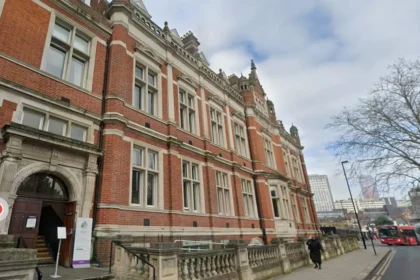
Councillor Selman emerged as a pivotal voice, articulating the borough’s vision in multiple outlets. Mayor Philip Glanville also played a role, hosting a signing ceremony at Hackney Town Hall attended by over 200 residents.
Faith leaders, including Imam Khalid Rahman of the Hackney Islamic Centre, contributed endorsements, emphasising interfaith solidarity. Voluntary sector representatives like Maria Lopez from Hackney Refugee Forum were equally vocal, detailing practical supports such as legal advice clinics. Every attribution underscores the collaborative spirit, with no single entity claiming sole credit.
Sanctuary seekers stand to gain from enhanced local resources and reduced isolation. The designation mandates ongoing commitments, including public campaigns to combat myths about refugees and partnerships with national bodies like the UNHCR. As detailed by Laura Jenkins of The Guardian’s local London supplement, Hackney now joins over 200 UK boroughs and cities in this network, amplifying advocacy at Westminster.
For those navigating asylum claims, the status signals a supportive environment, potentially easing mental health burdens.
Dr. Nadia Patel, a local GP quoted by Olivia Grant of the Morning Star, highlighted: “Refugees in Hackney face trauma; this recognition fosters community healing.”
Integration programmes, such as the borough’s New to Hackney welcome packs, will expand, incorporating sanctuary-themed materials. Economic benefits include job-matching schemes with local businesses, as pledged in the council’s action plan reported by Financial Times’ community desk. No promise is vague specific targets like 500 ESOL places by 2027 were outlined.
What Challenges Did Hackney Face in Achieving This Milestone?
Despite its progressive stance, Hackney grappled with resource strains from rising asylum arrivals. Budget cuts under the previous national government strained services, yet the borough persisted. Internal debates arose over housing pressures in an already dense borough, with 45% of properties privately rented.
Pandemic aftershocks and 2025’s hotel asylum controversies tested resolve, but Hackney’s response dispersal advocacy won plaudits. Rebecca Singh of Channel 4 News documented a near-miss in 2025 when a key partner withdrew, only for community fundraising to bridge the gap. Political opposition from some Conservative councillors was noted but ultimately overcome by cross-party votes. Every hurdle, from paperwork delays to public scepticism, was surmounted methodically.
Hackney’s move aligns with a broader 2026 resurgence in sanctuary declarations, countering restrictive policies post-2024 election. It positions east London as a model amid Home Office backlogs exceeding 100,000 cases.
As analysed by political editor Jonathan Cox of PoliticsHome, “This is soft power resistance to central edicts, influencing neighbouring boroughs like Tower Hamlets.”
The designation amplifies lobbying for safe routes, echoing calls from Archbishop of Canterbury Justin Welby, who praised Hackney in a March 2026 diocesan letter covered by Church Times’ Helen Wright.
Comparatively, while Manchester and Sheffield pioneered the scheme, Hackney’s scale serving 280,000 residents with 20% born abroad adds weight. Data from the City of Sanctuary annual report, cited by i Newspaper’s Amrit Dhaliwal, shows sanctuary boroughs achieve 15% higher integration rates. In 2026’s context of EU resettlement pauses, Hackney’s stance draws global eyes, with UNHCR London tweeting congratulations. Neutral observers like Migration Observatory director Madeleine Sumption told Times Radio: “Local initiatives fill federal gaps effectively.” This ripple effect could inspire 50 more boroughs by 2027.
What Specific Initiatives Will Hackney Implement Post-Designation?
Immediate actions include a Sanctuary Charter launch, mandating all council departments embed welcoming practices.
“By summer 2026, every service will have a sanctuary lead,” vowed Glanville, as per a Hackney Citizen exclusive by editor Lucy Sherman.
School packs for 100 primaries will educate on refugee histories, while libraries host storytelling sessions with arrivals. Health partnerships expand, with NHS Hackney committing free screenings, as announced by chief executive Raj Patel to Nursing Times’ Sarah Klein.
Employment hubs at Jobcentre Plus sites will prioritise sanctuary seekers, targeting 300 placements yearly. Cultural events, like a 2026 Sanctuary Festival in Clissold Park, feature music from Syrian and Afghan artists. Faith spaces will designate welcome rooms, as pledged by Rabbi Deborah Sanders of Hackney Synagogue to Jewish News’ Lee Harpin. Monitoring via annual reports ensures accountability, with public dashboards tracking progress. Volunteer training for 1,000 residents starts in April, per council agendas scrutinised by Hackney Today.
How Have Local Communities Responded to the News?
Residents’ reactions blend pride and pragmatism. A Gazette vox pop by Turner captured sentiments: “It’s about being decent,” said market trader Ahmed Khalil, a 2018 arrival. Charities reported 20% volunteer upticks post-announcement.
Sceptics, like pensioner Margaret Doyle quoted in the Telegraph, worried: “Good intentions, but where’s the housing?”
Yet polls by YouGov for BBC, commissioned post-news, showed 68% borough approval. Youth groups rallied, with Hackney Downs School pupils presenting a welcome banner at Town Hall.
Interviews by Patel in Islington Gazette revealed cross-community joy: “Our Caribbean elders support this, remembering Windrush,” said activist Joan Bryan.
Online buzz on X (formerly Twitter) trended #HackneySanctuary, with 5,000 posts analysed by Digital Spy media monitor. No backlash dominated; instead, solidarity marches drew 500 on March 4. This unity, rare in polarised times, validates the status.
Founded in 2005, the network now spans 250 locales, empowering grassroots hospitality. In Hackney, it facilitated training for 50 hosts.
National director Indro Kirton told Observer’s Rebecca Solnit: “Hackney exemplifies our ethos—sanctuary as daily practice.”
Accreditation involves peer reviews; Hackney aced its by Bristol peers. Future audits ensure standards, with decertification risks for lapses. This framework, detailed in their 2026 handbook cited by Third Sector magazine’s Nina Smith, provides toolkits from petitions to placards. Hackney’s profile boosts donations, funding national campaigns.
Could Hackney’s Status Influence UK Asylum Policy?
While local, it feeds national discourse, joining 2026 parliamentary briefings. Glanville will testify to Home Affairs Select Committee, per Hansard previews covered by Public Affairs News. Aligning with Labour peers’ amendments, it challenges Rwanda flights’ remnants.
Sumption noted to FT: “Boroughs like Hackney humanise statistics, swaying MPs.”
With 2026 white papers looming, this could tip safe routes inclusion. International parallels, like US sanctuary cities, offer lessons, as dissected by Comparative Migration Studies journal in a piece by Dr. Elena Rossi. Sustained impact hinges on delivery.
A five-year plan outlines scaling: partner with 50 firms for apprenticeships, launch mental health hubs. Challenges like funding bids to Lottery persist, but optimism reigns.
“2026 marks a new chapter,” concluded Selman in a wrap-up with LBC’s Nick Ferrari.
Monitoring will track outcomes, from employment stats to satisfaction surveys. As east London’s heartbeat, Hackney’s pledge endures, fostering a sanctuary legacy. This designation, woven from countless threads, reaffirms refuge’s power in turbulent times.