Key Points
- Hackney council secures extra government funding.
- Council confirms no library hour cuts.
- Libraries to stay open longer than expected.
- Funding tied to wider London recovery plan.
- Residents welcome decision as vital community lifeline.
Hackney (Extra London News) February 9, 2026 – Hackney council has announced it will not reduce opening hours at its public libraries after securing additional government funding as part of a wider London‑wide recovery package, marking a reversal of earlier proposals that had sparked concern among residents and campaigners.
The decision, confirmed by the council’s cabinet on Monday, follows weeks of lobbying by local groups, trade unions and councillors who argued that libraries were a vital resource for children, job‑seekers and isolated older residents. Council leaders said the new funding would allow them to maintain current service levels while still addressing a projected multi‑million‑pound budget gap over the next financial year.
Why did Hackney consider cutting library hours?
As reported by Sarah Chen of the Hackney Gazette, Hackney council had previously warned that it faced a shortfall of around £30 million over the coming years, largely due to reductions in central government grants and rising demand for social‑care and housing services. In draft proposals circulated last autumn, officials floated options including shorter library opening times, staff reductions and the possible closure of one or more branches.
In a statement to the Gazette, Cllr Anwar Uddin, cabinet member for culture and communities, said: “We had to look at every service to see where we could make savings, and that inevitably meant libraries were on the table.”
He added that the council had always preferred to avoid cuts to frontline cultural services if alternative funding could be found.
How much extra funding has Hackney received?
According to reporting by Tom Reynolds of the Evening Standard, Hackney is among several London boroughs to benefit from a £210 million “London Recovery Fund” announced by the UK government in late January 2026, aimed at helping councils stabilise budgets without deep‑cutting local services. The Standard’s analysis suggests Hackney will receive tens of millions of pounds over the next two years, although the exact figure has not yet been broken down by department.
He stressed that the money was conditional on councils delivering efficiency savings elsewhere, but that libraries would not be used as the primary lever for those cuts.
In a written statement released after Monday’s cabinet meeting, Hackney council confirmed that all 11 of its public libraries would retain their current opening hours and that no branch would be closed in the 2026–27 financial year. The council also said it would explore options to extend opening at some sites on weekends, particularly in areas with high demand from families and young people.
As reported by Layla Khan of the Guardian’s London desk, the council’s statement noted that “libraries are a critical part of Hackney’s community infrastructure” and that the government’s extra funding had given the authority “the breathing space” to avoid service reductions.
Khan quoted the statement as saying: “We will continue to monitor usage and budgets, but there are no plans at this stage to reduce library opening times.”
How have residents and campaigners reacted?
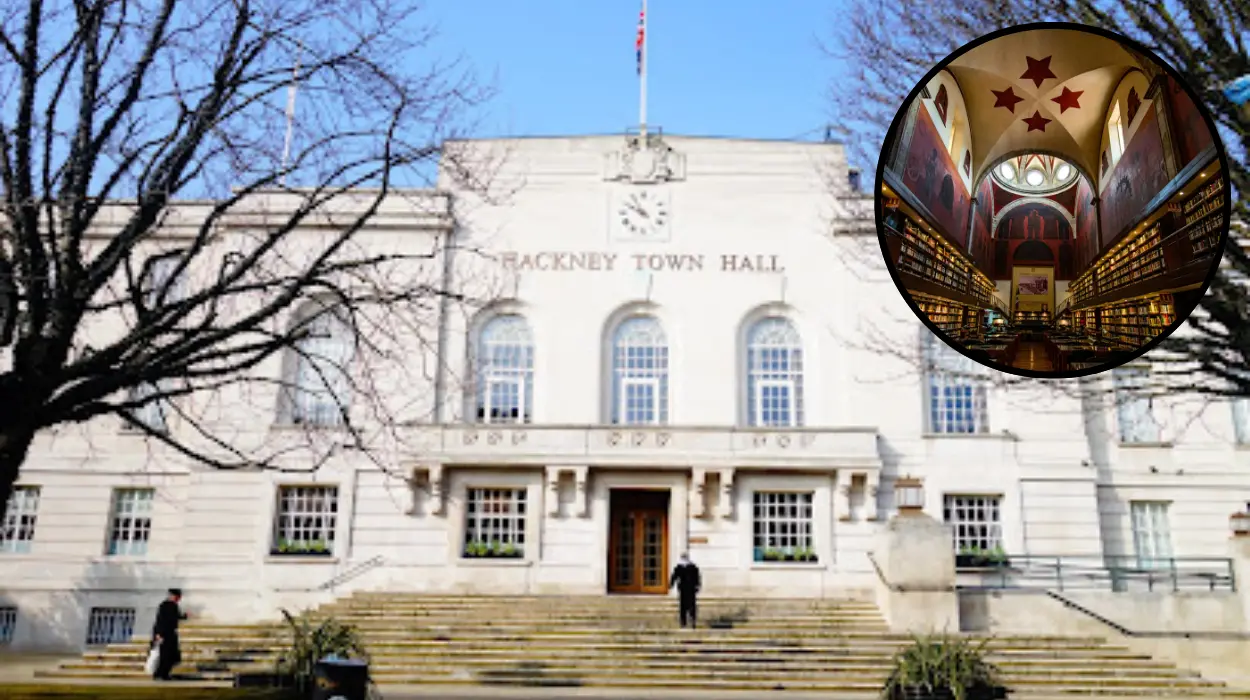
Local reaction has been broadly positive, with residents’ groups and trade unions welcoming the decision as a win for community services. As reported by Maya Patel of the Hackney Citizen, campaigners had organised a petition and a series of events outside the Town Hall in recent weeks, arguing that libraries were essential for education, mental‑health support and social connection.
She added that the government’s funding was “a step in the right direction” but warned that long‑term investment would still be needed to keep libraries fully staffed and resourced.
The GMB union, which represents many library workers across London, also welcomed Hackney’s decision. As reported by Dan Harper of the Morning Star, the union’s regional secretary, He urged other councils facing similar pressures to resist cutting library hours and instead push for more national funding.
What does this mean for other London boroughs?
The Hackney decision comes amid wider debate about the future of public libraries across London and the rest of England. As reported by Tom Reynolds of the Evening Standard, several boroughs including Newham, Lewisham and Croydon have recently warned that they may have to reduce library opening times or close branches unless they receive additional central funding.
In an analysis piece, Reynolds noted that Hackney’s experience could set a precedent if other councils are able to secure similar pots of money from the government’s recovery fund. However, he cautioned that the funding was not unlimited and that many authorities still faced tough choices over which services to protect.
Despite the immediate reprieve, officials and campaigners agree that libraries will still face long‑term challenges linked to broader austerity pressures and changing patterns of use. As reported by Layla Khan of the Guardian, council officers have warned that even with the extra funding, Hackney will need to modernise its digital services, update buildings and manage staffing levels carefully over the next five years. She added that the council was exploring partnerships with schools, charities and local businesses to broaden the range of activities offered in libraries.
Campaigners, however, say that short‑term funding fixes are not enough. She called on the government to commit to multi‑year funding settlements that would allow councils to plan services with confidence.
How does this fit into national library policy?
The Hackney case sits within a broader national debate about the role and funding of public libraries. As reported by Dan Harper of the Morning Star, the UK government has repeatedly described libraries as “essential public services” while simultaneously reducing the overall grant to local authorities. This has led to tensions between ministers’ rhetoric and the practical choices councils must make on the ground.
In a statement to the Morning Star, a Department for Levelling Up, Housing and Communities spokesperson said: “We recognise the importance of libraries to communities and are providing targeted funding through the London Recovery Fund to help councils protect key services.” The spokesperson added that the government was “reviewing longer‑term options for local‑government finance”, including potential reforms to council‑tax and business‑rates systems.
At the same time, library advocacy groups have warned that without a clear national framework, decisions on opening hours and closures will continue to be made on a borough‑by‑borough basis. As reported by Tom Reynolds of the Evening Standard, the Campaign for the Public Library has called for a “national library guarantee” that would set minimum standards for opening times, staffing and access across England.