Key Points
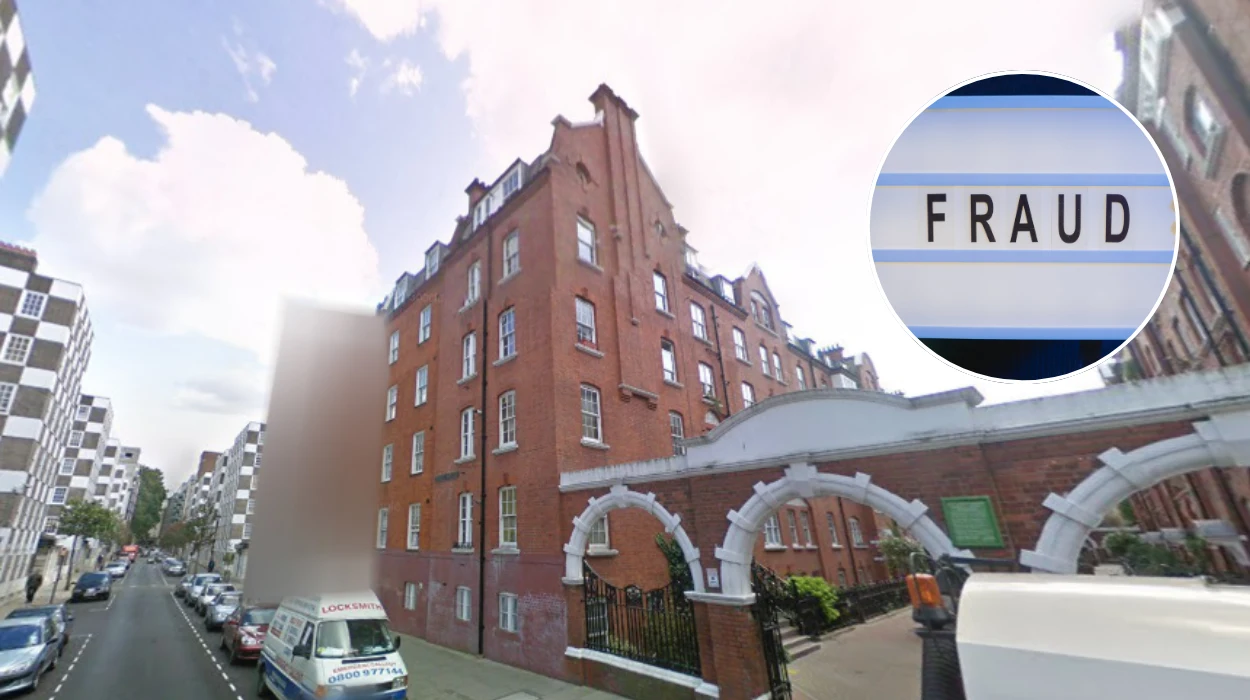
- Fraudulent Application: In October 2011, Saeed Yasin Hosseini gained possession of a one-bedroom council flat at Jessel House, Page Street, Pimlico by deceiving the Westminster City Council and lying that he was a single man living with his parents in their temporary accommodation.
- Concealing Marriage: In actuality, Mr Hosseini had got married in 2009 and was living with his wife in a property belonging to her in Enfield, north London.
- Subleasing of Property Illegally: From August 2013 to September 2014, he had illegally subleased the property located near Buckingham Palace and Westminster Abbey in central London for £650 per month.
- Abuse of Right to Buy Scheme: He had purchased the property through the Right to Buy scheme, claiming it to be his principle residence and hence received a discount of over £100,000.
- Conviction for Crime: Mr Hosseini was found guilty of fraud on three accounts by the jury trial at Southwark Crown Court in July 2023.
- Sentence Imposed on Him: In December 2023, he was sentenced to two years suspended jail term, 150 hours of community work, and electronic curfew for three months.
- Contempt of Court Charge: In September 2024, he pleaded guilty to contempt of court after moving money from seven accounts of banks and credit cards, thus violating a restraint order issued by the court in 2020.
- Latest Confiscation Order: In August 2026, a judge ordered Mr. Hosseini to pay £494,415.52 following the Proceeds of Crime hearing held at Southwark Crown Court.
- Contempt of Court Sentence: His sentence for contempt of court case is seven months and two weeks, suspended for one year.
London (Extra London News) August 28, 2026 – A fraudster who systematically exploited the public housing system to acquire a valuable one-bedroom property a stone’s throw from Buckingham Palace has been ordered to pay back nearly £500,000 following a major multi-year council investigation.
- Key Points
- How Did Saeed Yasin Hosseini Initially Defraud Westminster City Council?
- Why Did He Receive a £100,000 Discount on the Pimlico Flat?
- What Were the Initial Legal Penalties Handed Down to the Tenant?
- How Did the Fraudster Breach Court Orders?
- What Was the Final Outcome of the Proceeds of Crime Proceedings?
- What Have Council Officials Said About the Verdict?
Saeed Yasin Hosseini, who initially secured a social housing tenancy in Pimlico by pretending to be a single man living in temporary family accommodation, was hit with a massive confiscation order at Southwark Crown Court. The legal penalty marks the final chapter in an extensive enforcement action led by Westminster City Council’s corporate anti-fraud service to claw back public assets and penalise severe tenancy abuse.
How Did Saeed Yasin Hosseini Initially Defraud Westminster City Council?
As reported by Chief Political Correspondent Rachael Burford of The Standard, Saeed Yasin Hosseini was handed a one-bedroom council property in Jessel House, Page Street, in 2011 after misleading Westminster City Council about his personal circumstances. Elaborating on the mechanics of the initial deception, trainee multimedia reporter Rebecca McCulloch of MyLondon noted that Mr Hosseini had claimed he was a single man staying in temporary accommodation provided for his parents.
Writing on the specifics uncovered by town hall investigators, journalist James Riding of Inside Housing reported that Mr Hosseini had actually married in 2009 and was living with his partner in a house she owned in Enfield, north London. Because of this cohabitation, he was entirely ineligible for the social housing allocation he received.
As detailed in court documents and media reports, once the tenancy was established, the property was used for commercial gain rather than residential need. Between August 2013 and September 2014, Mr Hosseini illegally sublet the red-brick mansion block flat—located a mere 15-minute walk from Buckingham Palace and close to Westminster Abbey—to third parties for £650 a month.
Why Did He Receive a £100,000 Discount on the Pimlico Flat?
The fraud escalated significantly when Mr Hosseini sought to acquire the asset permanently. As documented by Inside Housing, Mr Hosseini applied to purchase the Page Street flat under the government’s Right to Buy scheme. To qualify for the scheme, applicants must formally maintain that the property serves as their principal and primary home.
Despite living elsewhere and previously renting properties in areas such as Barnet with his partner, Mr Hosseini insisted that the Pimlico address was his primary residence. By maintaining this false premise, he successfully purchased the flat from the local authority in 2015, securing a financial discount of more than £100,000 on the market value.
Westminster City Council’s corporate anti-fraud team subsequently gathered evidence demonstrating that the tenancy had been dishonestly obtained and operated. This evidence formed the backbone of a criminal prosecution that went before a jury at Southwark Crown Court. In July 2023, Mr Hosseini was found guilty by a jury on three counts of fraud, covering false representation on a Right to Buy application, failure to disclose a change in circumstances, and illegal subletting.
What Were the Initial Legal Penalties Handed Down to the Tenant?
Following his conviction in the summer of 2023, the case returned to Southwark Crown Court for sentencing in December 2023. As reported by Inside Housing, Mr Hosseini was handed a two-year prison sentence, which was suspended for the duration, alongside 150 hours of unpaid work and a strict three-month electronic curfew restricting him to his residence between 9 pm and 6 am.
However, legal proceedings did not stop at the initial sentencing. Westminster City Council’s financial investigators and anti-fraud service immediately initiated secondary legal pathways under the Proceeds of Crime Act to recover the immense financial gains generated by the fraud, alongside parallel proceedings for breaches of court restrictions.
How Did the Fraudster Breach Court Orders?
While financial investigations were ongoing, Mr Hosseini actively attempted to frustrate the judicial process. According to reports by The Standard and MyLondon, Southwark Crown Court had issued a formal restraint order against him in 2020 to prevent the movement or dissipation of assets.
Despite this strict legal prohibition, investigators discovered that funds had been systematically moved. In September 2024, Mr Hosseini formally pleaded guilty to contempt of court after admitting that he had dispersed monies across seven different bank accounts and credit card accounts in explicit violation of the 2020 restraint order. This blatant disregard for judicial oversight compounded his legal liability and paved the way for additional penalties.
Explore more Politics News:
Reform UK Welfare Plans and £50B Spending Overhaul: Westminster 2026
UK and Moldova Parliaments Light Up for Ukraine, London 2026
What Was the Final Outcome of the Proceeds of Crime Proceedings?
The long-running legal battle reached its conclusion this month at Southwark Crown Court, where a final confiscation order was handed down under the Proceeds of Crime Act. Presided over by the judiciary, the court reviewed the total economic benefit derived from the fraudulent tenancy, the illegal rental income, and the massive discount secured through the corrupt Right to Buy transaction.
As outlined by political correspondent Rachael Burford of The Standard, Mr Hosseini was ordered to pay a staggering £494,415 within a strict three-month window. Local reporting from MyLondon confirmed the exact figure set by the judge as £494,415.52. Furthermore, for his separate admission of contempt of court regarding the hidden bank accounts, Mr Hosseini received an additional prison sentence of seven months and two weeks, which was suspended for one year.
What Have Council Officials Said About the Verdict?
The outcome has been hailed by local government leaders as a decisive victory for taxpayers and individuals trapped on social housing waiting lists. Councillor Caroline Sargent, cabinet member for enforcement and deputy leader at Westminster City Council, issued a robust statement condemning the actions of the defendant.
As quoted by The Standard and MyLondon, Councillor Caroline Sargent stated that:
“This is a truly shocking case of someone deliberately and repeatedly cheating the system for their own personal gain. Council accommodation is a vital resource, intended to provide safe and secure homes for people who genuinely need them.”
Expanding on the wider implications of the misconduct and the tenacity of local investigators, Councillor Caroline Sargent added:
“Not only did this individual go to great lengths to defraud council resources and taxpayers’ money, but he also ignored previous orders by the court. I commend the work of our Anti-Fraud service for securing this prosecution and hope the harsh penalties will send a clear message that we will not tolerate people abusing the system.”
Legal analysts and housing campaigners note that cases of high-value social housing fraud carry severe ramifications across inner-city London boroughs, where affordable accommodation remains exceptionally scarce. By securing a half-million-pound repayment order, Westminster City Council’s anti-fraud division has demonstrated that local authorities possess the legal machinery necessary to track down hidden assets, reverse fraudulent property schemes, and protect public resources from deliberate exploitation.