Key Points
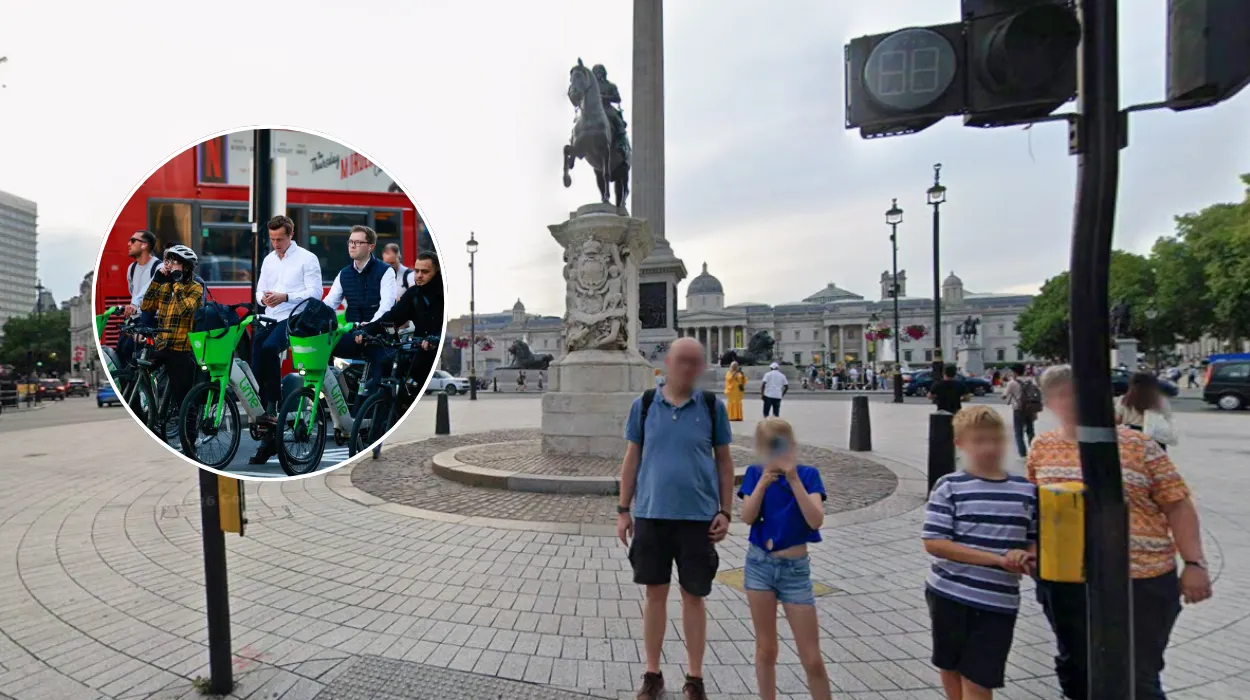
- Big Milestone: London’s bike lanes have hit 450km, five times what they were in 2016 (90km).
- Infrastructure Development: The bike lane network is now longer than the entire London Underground Network and longer than the distance between London and Paris.
- Strategic Network Expansion: Recent developments include new sections opened up in Islington, Wandsworth, Kingston, Camden, and the opening of Cycleway 62 running through Lambeth Bridge.
- Growing Popularity: According to data from Transport for London (TfL), cycling trips have increased by 43 per cent since 2016, recording 1.5 million daily trips in 2025.
- Policy Implementation: This development aligns with the Mayor’s Vision Zero strategy where the goal is to achieve zero deaths and serious injuries on the London transport network.
- Future Plans: TfL’s “Cycling Action Plan 2” seeks to diversify cyclists’ demographics to ensure that all residents of London benefit from this healthy way of travel.
London (Extra London News) August 12, 2026 – London’s cycling infrastructure has achieved a historic expansion, with the city’s official Cycleway network reaching a total length of 450km. This unprecedented milestone marks a five-fold increase compared to a decade ago, when the network spanned just 90km in 2016. According to Transport for London (TfL), the newly completed routes, which now surpass the total track length of the London Underground, are designed to make active travel safer, more accessible, and more attractive for residents across the capital.
- Key Points
- How has the London Cycleway network changed over the last decade?
- What are the most recent additions to the Cycleway network?
- What is the official position of the Mayor of London on this expansion?
- How does the expanded network support Vision Zero and public health?
- What are the next steps for TfL’s cycling strategy?
How has the London Cycleway network changed over the last decade?
The evolution of London’s cycling landscape has been described by transport officials as a transformative decade. As reported by Transport for London (TfL), the network has grown from a relatively modest 90km in 2016 to an extensive 450km system today. This strategic build-out, conducted in close partnership with London’s boroughs, has focused on creating a cohesive web of high-quality routes.
The surge in infrastructure has been matched by a significant increase in public adoption. TfL data released in 2025 highlights a 43 per cent increase in cycling journeys since 2016, culminating in a reported 1.5 million daily cycling trips across the capital. This data indicates that the boom in cycling continues to accelerate, with infrastructure playing a critical role in incentivising residents to choose bicycles for everyday travel.
What are the most recent additions to the Cycleway network?
The expansion is not limited to one area of the city but represents a concerted effort to link town centres, public transport hubs, schools, and workplaces. According to the latest update provided by Transport for London (TfL), the most recent additions include:
- Islington: Approximately 4km of new infrastructure delivered through the extension of C23 and C20, providing critical links to Cycleway 1 and Cycleway 27.
- Camden: A 2.5km section providing improved connectivity between Camden Town and King’s Cross.
- Wandsworth: A new 1.6km link connecting Wandsworth Common to Clapham Common.
- Kingston: A 0.5km extension of Cycleway 29, featuring segregated tracks between Tolworth and Surbiton on the Ewell Road.
- Lambeth Bridge: The completion of Cycleway 62, which creates a new “Safer Junction” and provides a direct, protected route across the Thames for those cycling between north and south London.
- Westminster: The inauguration of the first section of Cycleway 43, connecting Hyde Park to Edgware Road.
What is the official position of the Mayor of London on this expansion?
The Mayor of London, Sadiq Khan, has framed this development as the fulfilment of a long-standing commitment to reshape London’s transport identity. As quoted by the London Daily News, the Mayor stated: “I’m proud to have overseen a dramatic expansion of London’s cycle network, making it easier and safer for people across the capital to choose cycling for everyday journeys. I said I’d make London a byword for cycling – promise made, promise delivered.”
Mayor Khan emphasised that the progress is about more than just asphalt and signage; it is a core component of the city’s environmental and public health strategy. “This progress is transforming the way Londoners travel, improving our health and cleaning our air to help us build a greener city,” he noted. Regarding the future, the Mayor added,
“But there is more to do. I’m determined to keep working closely with Transport for London (TfL), boroughs and communities on expanding and improving our cycle network so we can create a greener, safer, better London for everyone.”
Explore more Local London News:
Camden Council Chalcots Estate Fire Safety Works London 2026
Croydon Council Proposes GPS Tagging to Ban Shoplifters in Croydon 2026
How does the expanded network support Vision Zero and public health?
A primary driver behind this expansion is the “Vision Zero” initiative—a joint project between the Mayor’s office and TfL dedicated to eliminating all deaths and serious injuries from London’s roads. By prioritising protected cycling infrastructure, the city aims to reduce the inherent danger for vulnerable road users.
Helen Cansick, Head of Healthy Streets and Investment at TfL, highlighted the broader societal benefits of this approach. As reported by the London Daily News, Cansick stated: “450km of cycleways is a significant milestone in our mission to create an integrated cycle network which connects people to the places they want to go.”
She further explained that the infrastructure benefits the entire city, even those who do not cycle. “A high-quality cycle network benefits everyone, whether they choose to cycle themselves or not, by helping to reduce traffic, improve local environments and support healthier neighbourhoods,” Cansick remarked.
What are the next steps for TfL’s cycling strategy?
The work is far from finished. TfL has indicated that several other projects are currently under construction and expected to be completed later this year. Among the most anticipated is the first Cycleway in Harrow, which will consist of a 4.5km route between Harrow and Pinner, blending quieter residential streets with segregated lanes on busier thoroughfares. Additionally, a 0.7km extension of Cycleway 3 is underway along Westbourne Terrace, near Paddington station.
Beyond construction, the strategic focus is shifting toward inclusivity. TfL’s updated “Cycling Action Plan 2” identifies the need to reach a wider demographic. Research conducted by the transport body shows that while many under-represented groups in London express an interest in cycling, they face distinct barriers to entry. The new action plan outlines evidence-led measures to address these disparities, ensuring that the health and economic advantages of cycling are distributed equitably across all of London’s diverse communities.
By connecting residents to their workplaces and schools while simultaneously addressing the climate emergency and traffic congestion, the expansion of the Cycleway network stands as a pillar of London’s ongoing urban modernisation. As the city looks ahead, the focus remains on sustaining the current momentum to ensure active travel becomes a viable and safe option for every Londoner.