Key Points
- Massive Opposition: Councillors of Hackney, Enfield and Haringey have formed an alliance to campaign against the plans made by Transport for London (TfL) to redesign essential bus services.
- New Route Proposals: TfL plans to redesign the route 149, thereby terminating the route 67 that goes from Wood Green to Dalston Junction and route 254 from Aldgate to Holloway.
- Effect on Travelers: TfL proposes to divert the route 149 from its northern terminal Edmonton Green to Wood Green.
- Disruption of Direct Services: Passengers using these services face the threat of being deprived of direct links, thus making them change mid-way during their travel.
- Period of Public Consultation: Public consultation about these network design changes is still on till 20th September 2026.
- Frequency of Service: There will be a reduction in frequency of the 149 bus services during peak weekday time from seven minutes to eight minutes.
London (Extra London News) August 8, 2026 – Labour councillors in Hackney have spearheaded a growing political resistance against Transport for London’s (TfL) latest proposals to restructure bus routes across north London, sparking fears that thousands of passengers will be left stranded in what has been described as a “Tube network dead zone.” The cross-borough campaign sees local politicians from Hackney, Enfield, and Haringey aligning to challenge plans that would significantly alter the 149, 67, and 254 bus routes.
- Key Points
- Why are local councillors opposing the TfL bus route proposals?
- What specific changes are being proposed to the 149 and 67 routes?
- How will the changes affect the 254 bus route?
- What has TfL said regarding these concerns?
- What is the broader context of bus cuts in London?
- How can the public participate in the consultation?
The proposed changes, which are currently undergoing public consultation until 20 September 2026, represent what TfL describes as an attempt to “simplify the network and better match services to passenger demand.” However, elected representatives argue that the alterations will disproportionately affect commuters who rely on these services as their primary mode of transport in areas where underground rail infrastructure is sparse.
Why are local councillors opposing the TfL bus route proposals?
The opposition is rooted in the potential for increased journey times and the loss of essential direct links. According to details shared by TfL on their “Have Your Say” portal, the restructuring of the 149 would see its northern terminus shifted from Edmonton Green to Wood Green. While this is intended to provide new direct access between Haringey and the City of London, critics highlight that passengers currently travelling from Edmonton Green to London Bridge would be forced to change buses to complete their journeys.
As reported by The Evening Standard, councillors are particularly concerned about the impact on the 149—often cited as one of London’s busiest routes. The planned diversion from Stamford Hill toward Wood Green would effectively render the existing 67 route between Wood Green and Dalston Junction redundant, leading to its removal from the network. Furthermore, the scrapping of the 254 route from Aldgate to Holloway has added to the grievances of local leaders who feel that the needs of their residents are being secondary to administrative “simplification”.
What specific changes are being proposed to the 149 and 67 routes?
The current proposal involves a significant overhaul of the north-east London bus corridor. The 149, a high-frequency service, would no longer run its full length to Edmonton Green. Instead, it would be redirected to serve Wood Green. TfL states that this change would introduce new connections for residents in West Green Road and St. Ann’s Road, providing direct access to key employment hubs in Hoxton, Shoreditch, and Liverpool Street station.
However, the cost of this change is the withdrawal of the 67 service. While TfL notes that the new 149 route would retain almost all existing connections provided by the 67, they have confirmed that Dalston Junction Bus Station (Stop N) would no longer be served by this specific route. Additionally, for those travelling during peak weekday hours, the frequency of the 149 is set to drop from one bus every seven minutes to one every eight minutes, a move that transport advocates suggest will increase overcrowding on an already busy line.
How will the changes affect the 254 bus route?
The inclusion of the 254 bus—which connects Aldgate to Holloway—in the proposed cuts has drawn additional scrutiny. Local councillors have pointed to the 254 as a critical link for those who do not have easy access to the London Underground or Overground networks. The removal of this service, or the restructuring of its path, is viewed by local politicians as an erosion of the public transport safety net. TfL maintains that the proposals are designed to reduce “duplication” on Tottenham High Road and Fore Street, yet critics argue that this duplication is actually a necessary redundancy that prevents buses from being overwhelmed during peak travel times.
What has TfL said regarding these concerns?
Transport for London has been clear that these proposals are not final and that public feedback is a central component of the decision-making process. On the official consultation page, TfL states: “We are seeking views on the proposed changes to bus routes 67 and 149 to simplify the network and better match services to passenger demand in north and central London”.
TfL officials have also sought to mitigate fears by pointing out that certain routes, such as the 243 (Wood Green to Waterloo) and 279 (Waltham Cross to Stamford Hill), will remain unchanged, preserving connections between Bruce Grove and Shoreditch, and Edmonton Green and Stamford Hill respectively. Furthermore, the night service on the 149—which will be re-numbered N149—will continue to operate between Edmonton Green and London Bridge, ensuring that the core night-time connection is preserved.
Explore more Hackney News:
Haifa Mayor Defies Hackney De-Twinning Move, London 2026
Stratford Bus Breakdown Causes 11 TfL Diversions, London 2026
What is the broader context of bus cuts in London?
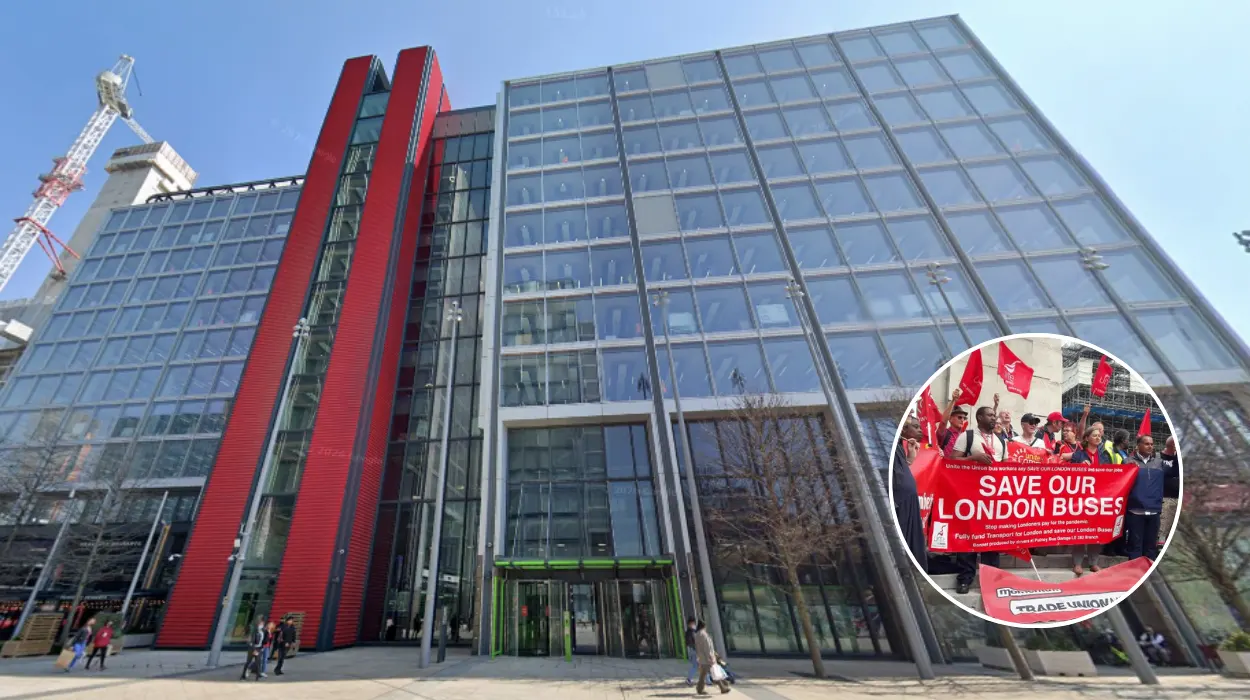
This latest row occurs against a backdrop of ongoing tension regarding London’s bus network. As reported by Counterfire, groups such as Unite the union have previously rallied against broader cuts to the network, which they argue are driven by funding crises and political disputes between the Mayor’s office and the central government. While this current dispute is specific to the 149, 67, and 254 routes, it echoes the wider concerns expressed by London TravelWatch regarding the impact of service reductions on lower-paid and disabled commuters.
Joanna Davidson, CEO of London TravelWatch, noted in relation to past proposals that it is “vital that we protect services as we know that in London more people travel by bus than any other mode of transport”. While that statement was made in response to earlier network adjustments, the sentiment resonates deeply with the current opposition from councillors in Hackney and beyond.
How can the public participate in the consultation?
The consultation period is an opportunity for residents to voice their concerns directly to the transport authority. TfL has provided an online portal, “Have Your Say,” where individuals can review the specific proposals, examine maps of the affected routes, and submit their responses.
For those who rely on these routes for their daily commute, the potential for longer journey times and the necessity of changing buses in the middle of the night—or during busy morning peaks—are primary points of contention. The councillors leading the opposition are encouraging all residents to engage with the process before the deadline on 20 September 2026, emphasising that a high volume of community feedback is the only way to compel TfL to rethink or amend these plans.
As the debate continues, the focus remains on whether the proposed “simplification” of the network will ultimately serve the passenger or simply the bottom line of the transport authority. For now, the residents of Haringey, Hackney, and Enfield wait to see if their collective voice will be enough to protect their bus links.