Key Points
- Significant Ridership Drop: Bus demand in London has decreased by 22.8% from its peak in 2015, dropping a further 1.5% last year alone.
- Fares Lag Behind Inflation: The sharp decline in passengers has occurred despite a mere 25p rise in bus fares over the past decade, a rate tracking far below inflation levels.
- Safety Concerns Exposed: The Conservative Party has identified escalating antisocial behaviour and growing personal safety fears as primary drivers steering Londoners away from the bus network.
- Widespread Passenger Anxiety: A Transport for London (TfL) passenger survey revealed that nearly 40% of public transport users have felt worried while travelling, and almost 10% have been entirely deterred from taking a journey due to a distressing incident.
- Root Issues Identified: High-risk factors on buses include youth-related antisocial behaviour, threatening language, passenger friction, and hundreds of recorded physical assaults against bus drivers annually.
- Call for Immediate Action: Shadow Transport Secretary Richard Holden and the Conservative Environment Network (CEN) are demanding expanded CCTV coverage at bus stops, visible staff patrols, and enhanced enforcement powers.
- Emergency Interventions Proposed: High-risk safety threats prompted the London Assembly to pass a motion advocating for the installation of lifesaving bleed control kits at critical bus stations and routes.
- TfL Defense Mechanisms: Transport for London maintains that all buses and stations feature extensive CCTV, backed by a 300-strong enforcement team, with plans underway to recruit 100 additional officers to protect night-time routes.
London (Extra London News) July 13, 2026 – Antisocial behaviour and acute fears over personal safety are actively driving Londoners away from using the capital’s bus network, new data and political figures have revealed. Despite bus fares rising by a mere 25p over the last decade—tracking significantly below national inflation levels—bus ridership across London has fallen by nearly 23% from its historical peak in 2015. While multi-faceted factors such as severe road congestion and sluggish journey speeds have traditionally been blamed for the empty seats, political opposition groups have shifted the spotlight directly onto systemic safety failures. Representatives from the Conservative Party are now demanding that the Mayor of London, Sir Sadiq Khan, and Transport for London (TfL) enact sweeping security interventions to halt what they term a critical, permanent reputational crisis for the city’s surface transit infrastructure.
- Key Points
- Why Is London Bus Ridership Falling Despite Cheap Fares?
- What Are the Safety Concerns Threatening London Bus Passengers?
- How Do Conservatives Plan to Tackle Antisocial Behaviour on Buses?
- Can Sadiq Khan Restore Public Confidence in London Surface Transport?
- How Is Transport for London Responding to Passenger Safety Fears?
Why Is London Bus Ridership Falling Despite Cheap Fares?
The underlying financials of London’s bus network present a profound paradox for transport economists. As reported by Kumail Jaffer, Local Democracy Reporter for the Barnet Post, data extracted from Transport for London underscores a 1.5% decline in bus demand over the past year alone. When evaluated on a broader timeline, the figures paint an even bleaker picture: ridership has plummeted by 22.8% since its high-water mark in 2015.
This drop is occurring in an environment where using surface transport should theoretically be highly attractive. Over the past ten years, political mandates have capped fare hikes, resulting in an absolute increase of just 25 pence across the decade. While this pricing structure represents a real-terms discount when measured against inflation, the financial incentive has proven entirely insufficient to offset growing public resistance to using the network.
As Kumail Jaffer observes, the traditional explanations put forward by transport planners—specifically slow operational speeds forced by gridlocked London road congestion—no longer tell the full story. Instead, a shifting consensus points to an environment where the psychological toll of the daily commute is outweighing the monetary savings of a cheap ticket.
What Are the Safety Concerns Threatening London Bus Passengers?
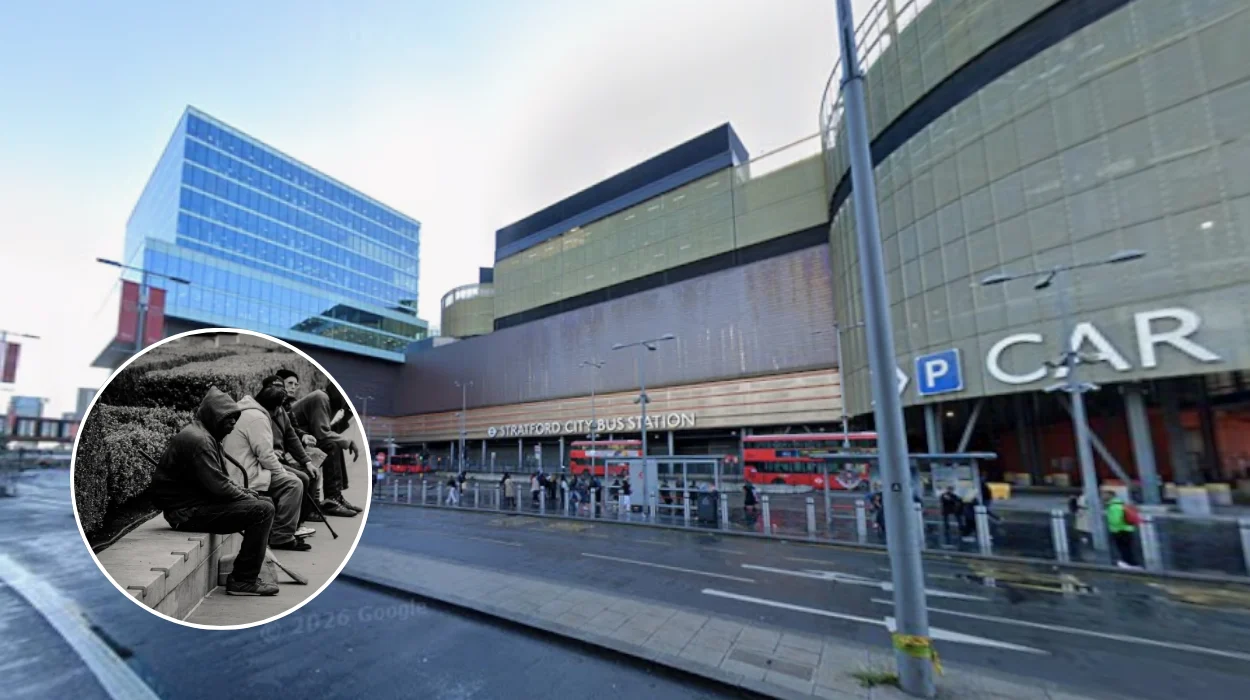
The lived reality of the average London commuter has taken a distinct turn toward anxiety, according to internal research conducted by the city’s transport authority. As highlighted by Kumail Jaffer of the Barnet Post, a comprehensive TfL survey conducted last year laid bare the psychological friction present across the capital’s transport grid. The data showed that almost four in ten people utilising London’s transport network have explicitly “felt worried” during their commutes. Furthermore, nearly a tenth of all respondents admitted they were actively deterred from travelling altogether because of a deeply worrying incident they had personally experienced.
When looking specifically at the surface bus network, the types of distress passengers face are highly consistent. According to the data compiled by Kumail Jaffer, the most frequently cited incidents disrupting passenger journeys include:
- Aggressive youth and school-related antisocial behaviour.
- Openly threatening behaviour and abusive language from volatile individuals.
- Physical friction, including passengers pushing, shoving, and crowding each other aggressively.
The perceived danger on certain high-risk corridors has escalated past the point of minor incivility. In a stark reflection of the severity of the situation, the London Assembly felt compelled to pass a formal motion calling for lifesaving bleed control kits to be installed at major bus stations and along specified volatile routes. This measure underscores an acknowledgement that physical, weapon-based violence is a risk factor requiring visible, on-site emergency medical infrastructure.
Concurrently, frontline transport workers are bearing the brunt of this societal friction. The reporting confirms that bus driver safety remains a critical flashpoint, with hundreds of professional drivers reporting that they were physically assaulted while performing their duties over the last year alone.
How Do Conservatives Plan to Tackle Antisocial Behaviour on Buses?
In response to the mounting ridership crisis, high-profile figures within the Conservative Party have launched a concerted policy push aimed at reclaiming public spaces from disruptive elements. Writing an expansive policy essay for the Conservative Environment Network (CEN), Shadow Transport Secretary Richard Holden argued that any latent doubts Londoners hold about opting for bus travel are ultimately “compounded by the everyday reality of antisocial behaviour”.
To reverse this downward trajectory, Richard Holden outlined a comprehensive operational framework centered on rigorous enforcement and a return to visible authority. As quoted by Kumail Jaffer of the Barnet Post, Richard Holden stated:
“To raise standards and renew public faith in the safe, comfortable journeys on which bus users should be able to rely, there must be genuine enforcement both at bus stops and on board.”
To translate this philosophy into actionable steps, Richard Holden’s proposed roadmap dictates specific, hard-line interventions across the network:
1. Ubiquitous Digital Surveillance
The shadow transport secretary is calling for an immediate and widespread expansion of high-definition closed-circuit television (CCTV) cameras. This surveillance footprint must cover not only the interior of the vehicles themselves but must be universally rolled out across physical bus stops to actively deter, track, and identify criminal behaviour before an individual even steps onto a bus.
2. Visible Staff Patrols
Moving away from a reliance on remote monitoring, the plan demands a heavy increase in “visible staff patrols.” These teams would act as a psychological deterrent to bad behaviour and provide immediate reassurance to vulnerable passengers.
3. Enhanced Statutory Powers
Richard Holden has advocated for providing transport enforcement teams with significantly enhanced legal and physical powers to deal with criminals directly on scene. He noted that these elevated enforcement powers should directly mirror the more robust security frameworks currently deployed across specific sections of the national rail network.
In summing up his policy positions for the Conservative Environment Network, Richard Holden wrote that London’s buses “clearly need a turnaround, moving away from the problems that have kept people from getting on board and towards a service people can choose with pride and confidence.”
Explore more Barnet News:
i-PRO and Genetec Upgrade Barnet Council Smart Surveillance Network: London 2026
City Hall Planning Row Sparks Bitter Council Debate: Barnet 2026
Can Sadiq Khan Restore Public Confidence in London Surface Transport?
The pressure to act on these findings has shifted entirely toward City Hall, with policy advocates warning that prolonged inaction could permanently damage the city’s green transport objectives. As reported by Kumail Jaffer, Local Democracy Reporter, Isabel Goodwin, the head of outreach for the Conservative Environment Network (CEN), emphasized that safe transport is directly linked to broader environmental and economic goals.
Speaking directly to the Local Democracy Reporting Service (LDRS), Isabel Goodwin stated:
“To connect communities and cut air pollution in London, buses need to remain affordable, comfortable, and safe. However, antisocial behaviour continues to be a major barrier for Londoners who want to utilise this vital, clean form of transport.”
Isabel Goodwin warned that if the current climate of fear is allowed to persist, the city faces a structural risk. She noted that to prevent “permanent reputational damage for London’s bus infrastructure, Sadiq Khan needs to implement bold policies that make passengers feel safe.”
According to the CEN outreach chief, the policy proposals put forward by the shadow transport secretary offer City Hall a practical way forward. Isabel Goodwin affirmed that Richard Holden “provides a clear roadmap to restore public confidence in London’s buses,” reiterating that the core pillars of this strategy must include expanding CCTV to a wider array of isolated bus stops and systematically increasing the absolute volume of uniformed personnel on the ground.
Isabel Goodwin concluded her assessment with a direct challenge to the incumbent mayoral administration, stating:
“The mayor could clamp down on antisocial behaviour and make people feel safe waiting for and riding the bus. For the sake of London’s future prosperity and health, Sadiq Khan would be wise to heed these suggestions.”
How Is Transport for London Responding to Passenger Safety Fears?
Faced with sharp political criticism and declining ridership metrics, executives at Transport for London have defended their operational record while outlining immediate expansion plans designed to fortify the network. As documented by Kumail Jaffer of the Barnet Post, Siwan Hayward, TfL’s director of security, policing and enforcement, sought to reassure the public that passenger safety remains an absolute institutional priority.
Responding to the claims, Siwan Hayward stated:
“We’re determined to ensure that everyone in the capital can travel safely and a safe and secure bus network is a key part of this.”
Defending the existing technological and human infrastructure already deployed across the city, Siwan Hayward explained that London’s bus network is far from unmonitored. As reported by the LDRS, Siwan Hayward stated:
“All of London’s buses and bus stations are fully equipped with extensive CCTV to ensure customer and staff safety, with ongoing trials of CCTV at selected bus stops across the capital.”
In addition to digital surveillance, the transport director highlighted the ongoing deployment of specialized, mobile enforcement teams who are actively working the lines to suppress low-level disorder and criminality. Siwan Hayward stated that the network is currently “patrolled by TfL’s 300-strong transport support and enforcement operational officers who provide a visible and reassuring presence, tackling fare evasion and antisocial behaviour such as drinking and vaping.”
Recognizing that the night-time economy presents distinct policing challenges, TfL has committed to bolstering its human presence during late-night hours when passenger vulnerability typically peaks. Siwan Hayward revealed that “100 more officers are being recruited this year to keep the night bus network safe.”
Looking forward, the transport authority maintains that its defensive strategy will rely heavily on an integrated approach with metropolitan law enforcement agencies. Siwan Hayward concluded:
“We’ll continue to work closely with the police and our other partners to ensure all Londoners can continue to rely on a safe, low-crime bus network around the clock.”