Key Points
- Demolition Approved: Hounslow London Borough Council has officially green-lit the complete demolition of the former RSPCA animal welfare facility at Burket Close, Norwood Green.
- Residential Redevelopment: The vacant facility will be replaced by a modern residential complex comprising three interconnected residential blocks, spanning between three and five storeys in height.
- Unit Breakdown: The scheme will introduce 66 new market-rent flats into the local property ecosystem, focusing heavily on one-bedroom and two-bedroom properties, alongside a small selection of three and four-bedroom family homes.
- Zero Affordable Housing: The project will feature absolutely zero affordable housing units, a decision validated by a Financial Viability Appraisal (FVA) stating that affordable inclusion is economically non-viable for the developer.
- Late-Stage Safety Claw: A Section 106 legal agreement will implement a late-stage viability review, allowing the council to claim financial contributions for affordable housing if the developer’s profit margins outperform current estimates upon completion.
- Local Opposition: The planning proposal faced notable friction from the local community, culminating in 27 formal resident objections regarding the loss of animal infrastructure, building heights, overdevelopment, traffic congestion, and school safeguarding.
- School Privacy Measures: In response to privacy concerns regarding the adjacent Wolf Fields Primary School, developers incorporated angled privacy screening to eliminate direct lines of sight across the 40-metre separation distance.
- Environmental Features: The final architectural blueprint integrates individual heat pumps for heating and hot water, up to 60 rooftop solar panels, a communal resident courtyard, and the planting of 45 new trees to offset minimal removals.
- Political Resistance: The planning application successfully passed through the Hounslow Planning Committee with a clear majority, encountering only a single opposing vote from Green Party Councillor Guy Lambert.
The Inverted Pyramid Structure
- Key Points
- What are the Details of the Norwood Green RSPCA Redevelopment Plan?
- Why does the Approved Hounslow Development Contain No Affordable Housing?
- What Key Objections did Local Residents Raise Against the Scheme?
- How have Developers Addressed Safeguarding and School Privacy Concerns?
- What are the Environmental and Sustainability Credentials of the New Flats?
- How did the Hounslow Planning Committee Vote on the Proposal?
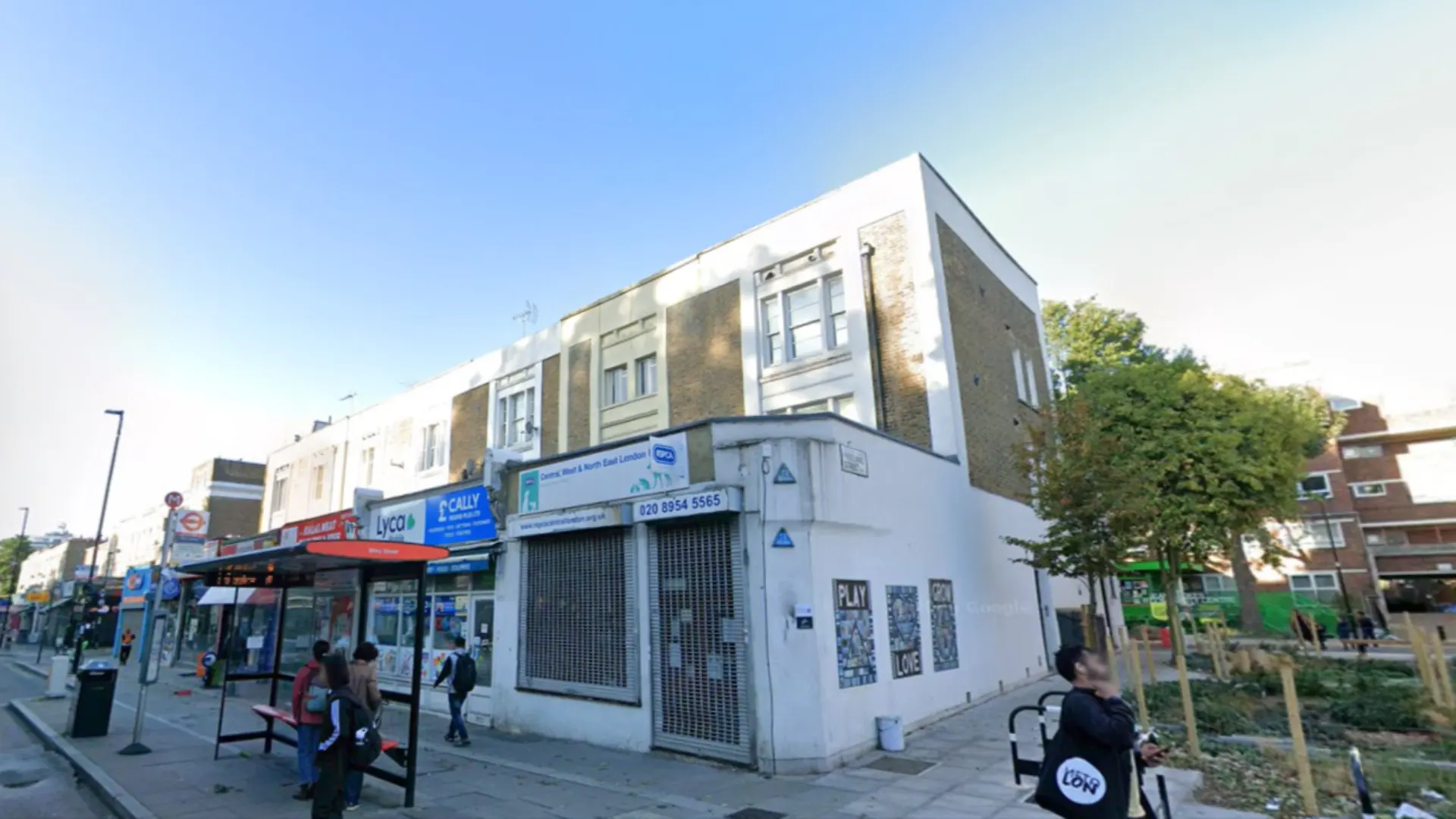
Hounslow (Extra London News) June 12, 2026 – A vacant West London animal welfare facility that served the community for decades is officially scheduled for the wrecking ball to make way for a multi-storey flat complex containing zero affordable housing. The development, located on Hounslow’s northern border with Ealing, was formally approved last night (June 11) by the Hounslow London Borough Council Planning Committee. The decision marks the final chapter for the former Royal Society for the Prevention of Cruelty to Animals (RSPCA) centre at Burket Close, Norwood Green, a site that has sat entirely empty since the animal charity shuttered its local operations in September 2020.
The approved urban transformation scheme will feature three interconnected residential blocks designed to scale from three to five storeys in height. Once constructed, the mid-rise project will inject 66 market-rent flats into the local borough. According to the planning documentation, these units will be predominantly arranged as one-bedroom and two-bedroom flats, tailored for smaller households and professional tenants, supplemented by a limited selection of larger three and four-bedroom homes intended for family occupation.
What are the Details of the Norwood Green RSPCA Redevelopment Plan?
As meticulously documented by Local Democracy Reporter Philip James Lynch of MyLondon, the architectural layout of the new development attempts to balance high-density residential utility with street-level aesthetic updates. The structural foundations will completely replace the historical footprints of the old RSPCA Southall Cattery buildings, clear the current boundaries, and reconfigure the immediate spatial profile of Burket Close.
Writing for MyLondon, Philip James Lynch detailed that the ground-floor facades of the interconnected blocks will feature distinct green glazed brick framing the main residential entrances. This design choice is paired with a civilian infrastructure expansion, explicitly requiring a widened two-metre pedestrian footpath intended to optimize safety, foot flow, and the general streetscape layout directly along Burket Close.
At the structural core of the three multi-storey blocks, architects have integrated a communal resident courtyard. This shared central courtyard is set to become the social hub of the micro-community, incorporating:
- A dedicated children’s outdoor play area with specialized equipment.
- Elevated, raised planting beds designed to encourage micro-biodiversity.
- Integrated outdoor seating installations aimed at fostering community cohesion among market-rent tenants.
Why does the Approved Hounslow Development Contain No Affordable Housing?
The most contentious aspect of the approved Norwood Green scheme is the complete omission of affordable housing, meaning all 66 units will hit the London property market at full retail rental rates. In an era where local councils routinely push for a minimum threshold of affordable allocations, this decision has drawn intense public scrutiny.
The financial justification for this exclusion rests entirely on independent economic auditing. As reported by Philip James Lynch of MyLondon, a comprehensive Financial Viability Appraisal (FVA) was formally commissioned and submitted by the applicant as part of the initial planning validation process. This economic appraisal underwent a rigorous, independent review by the Hounslow London Borough Council’s designated third-party financial consultants.
The independent consensus concluded that delivering any percentage of affordable housing or subsidized social rent on the Burket Close site is currently not financially viable under prevailing macroeconomic conditions, building material costs, and projected developer margins.
To safeguard the public interest, local planning authorities have introduced a retrospective financial backstop. As Philip James Lynch noted in his analytical reporting for MyLondon, Hounslow Council officers recommended securing a legally binding “late-stage viability review” to be executed via a standardized Section 106 agreement. This clawback mechanism ensures that the entire financial architecture of the construction project will be completely reassessed by independent auditors immediately upon practical completion. If the developer’s real-world profit margins improve due to shifting market dynamics or reduced expenditure, the council retains the absolute legal right to secure a substantial financial contribution back from the developer to fund off-site borough affordable housing initiatives.
Explore More London Local News
Southwark Council Reclaims First Lady Fatima Bio Flat: Walworth 2026
Delivery Rider Hurt in Serious Hit-and-Run Crash: South Croydon 2026
What Key Objections did Local Residents Raise Against the Scheme?
The journey to planning approval was met with localized democratic resistance, with neighborhood stakeholders submitting 27 formal objections to Hounslow Council planning portals. The localized pushback focused on several quality-of-life variables, infrastructural strains, and historical sentiments regarding the loss of the Norwood Green community asset.
According to the comprehensive report compiled by journalist Philip James Lynch for MyLondon, the primary avenues of local resident protest included:
- Loss of Animal Infrastructure: Deep-seated disappointment regarding the permanent erasure of an animal rescue center that had served the local region for generations before its 2020 closure.
- Overdevelopment and Height: Generalized anxieties that inserting three interconnected blocks reaching up to five storeys would fundamentally disrupt the low-rise character of Norwood Green, leading to severe visual dominance.
- Loss of Privacy and Natural Light: Direct neighbors expressed explicit fears that the sheer vertical scale of the blocks would cast long shadows, blocking daylight and creating direct lines of sight into existing private gardens and windows.
- Traffic and Access Pressures: Serious logistics warnings regarding a spike in private vehicles accessing the new estate via what residents describe as an already narrow, highly congested access road.
- Impact on Property Values: Minor concerns that the introduction of high-density rental blocks would depress adjacent residential values.
Addressing the property valuation concerns, Hounslow Council planning officers formally declared to residents that fluctuations in nearby private property values do not constitute a material planning consideration under UK planning law, effectively dismissing the point from official debates.
How have Developers Addressed Safeguarding and School Privacy Concerns?
A prominent point of tension during the public consultation phase involved specific safeguarding and privacy fears centered on the immediate proximity of the development to Wolf Fields Primary School, which sits directly adjacent to the former RSPCA boundaries.
As reported by Philip James Lynch of MyLondon, the developer actively revised the physical footprint of the project in response to early community feedback and school safeguarding consultations. The applicant officially reduced the total density of the development, dropping the planned residential unit count from 69 down to the finalized 66 flats. Furthermore, the physical mass of the interconnected blocks was systematically pulled back, shifting the buildings further away from the shared site boundaries to establish a more extensive landscaping buffer.
To completely nullify direct overlooking vulnerabilities into the primary school grounds—which are separated from the new residential structures by an official distance of more than 40 metres—designers integrated specialized angled screening. These architectural privacy screens are engineered to physically obstruct any direct, unhindered downward views from residential windows or balconies into the school’s playing fields and classrooms, successfully resolving the structural safeguarding requirements.
What are the Environmental and Sustainability Credentials of the New Flats?
With Hounslow Council working under strict municipal carbon-reduction mandates, the Burket Close residential blueprint had to demonstrate compliance with modern environmental benchmarks. The final approved plans feature several green engineering strategies to offset the ecological footprint of the demolition.
Per the findings published by Philip James Lynch of MyLondon, the mechanical and electrical engineering specifications for the 66 units include:
- Decarbonised Heating: The total elimination of standard fossil-fuel gas connections, utilizing individual, highly efficient electric heat pumps to manage all residential heating and domestic hot water requirements across the three blocks.
- Renewable Generation: The installation of up to 60 individual photovoltaic solar panels across the flat roofing system to generate clean, on-site electricity for communal or grid use.
- Arboricultural Offsetting: Although the clearing of the old RSPCA cattery requires the removal of a small number of existing, low-quality mature trees, the developer has committed to a comprehensive replanting strategy, pledging to introduce 45 brand-new trees across the landscaped margins and central courtyard.
How did the Hounslow Planning Committee Vote on the Proposal?
The political debate inside the Hounslow Council chambers culminated in a decisive, near-unanimous conclusion, despite the public friction and the controversial zero-affordable housing designation.
As confirmed in the closing sections of Philip James Lynch’s reporting for MyLondon, the redevelopment plans were formally waved through and approved by the Hounslow Planning Committee. The political consensus was almost absolute, with a lone voice of dissent emerging from the chamber floor. Councillor Guy Lambert, representing the Green Party, cast the singular vote against the demolition and residential blueprint, while all remaining committee members voted to officially grant planning permission, clearing the path for demolition crews to begin on-site operations at Burket Close.