Key Points
- Event Overview: A massive three-day contemporary art festival named ‘Art on Our Doorstep: Croydon’s Contemporary Art Fair’ is launching in South London this month.
- Cost of Entry: The entire festival, including the main gallery exhibition, workshops, and live music, is completely free for the public to attend.
- Dates and Timing: The cultural event is scheduled to kick off on Thursday, 12th June, and will run through until Saturday, 14th June.
- Featured Artists: The fair will showcase an extensive collection of contemporary works from 29 local artists based across the borough of Croydon.
- Diverse Mediums: Artworks on display will span a wide array of creative disciplines, including photography, textiles, sculpture, painting, and multimedia installations.
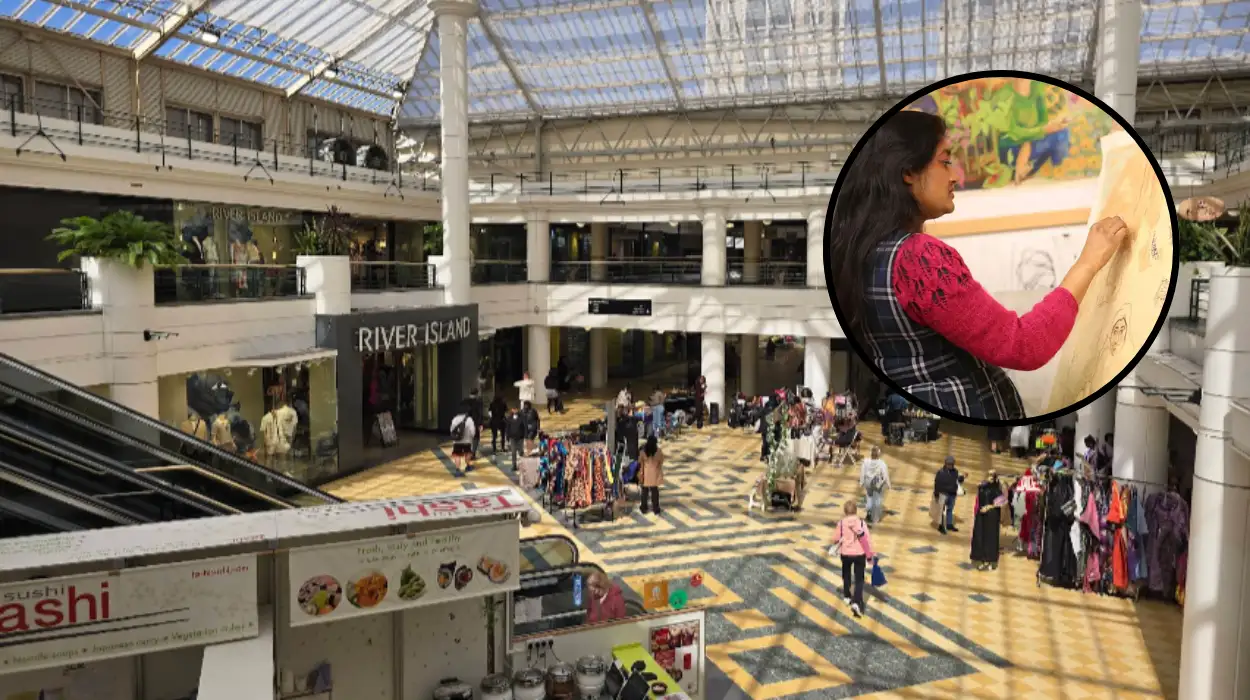
- The Hub Venue: The Whitgift Centre, a prominent retail hub in the heart of Croydon, will be transformed into a large-scale pop-up gallery to act as the festival’s main pavilion.
- Interactive Programme: Alongside the central exhibition, the public can access a broader fringe programme featuring open studio tours, hands-on workshops, creative activities, and live music.
- Cultural Context: The event arrives on the heels of London being named the world’s best city for culture, highlighting grassroots artistic talent in a borough historically overlooked by traditional art institutions.
Croydon (Extra London News) June 3, 2026 – A major contemporary art festival is set to take over the South London borough of Croydon this month, offering residents and visitors access to an expansive three-day celebration of local visual arts completely free of charge. Titled Art on Our Doorstep: Croydon’s Contemporary Art Fair, the ambitious cultural project will launch on 12th June and run until 14th June. The festival aims to challenge traditional perceptions of the borough by spotlighting the depth and diversity of its grassroots creative community, featuring an array of works that span photography, textiles, painting, and live interactive performances.
- Key Points
- What Is Art on Our Doorstep: Croydon’s Contemporary Art Fair?
- Which Artists and Mediums Will Be Featured at the Croydon Art Festival?
- How Were the Artists Selected for the Fair?
- What Creative Disciplines and Art Styles Can Visitors Expect to See?
- Where Is the Main Venue for the Croydon Art Fair Located?
- How Will the Whitgift Centre Be Transformed into a Pop-Up Gallery?
- What Is the Significance of Using a Shopping Centre for a Major Art Exhibition?
- What Additional Activities Are Included in the Festival Programme?
- How Can the Public Join the Open Studio Tours?
- What Sort of Hands-On Workshops and Entertainment Are Scheduled?
- Why Is This Art Festival Important for London’s Broader Culture Scene?
As reported by local arts correspondent Eleanor Bufton of The London Cultural Chronicle, the festival represents a significant moment for the outer borough’s creative economy, bringing high-calibre contemporary art directly into highly trafficked civic spaces. By utilizing a major commercial landmark as its primary exhibition hall, the event is designed to democratise art consumption, removing fiscal and geographical barriers that often separate local communities from high-profile central London galleries.
What Is Art on Our Doorstep: Croydon’s Contemporary Art Fair?
The upcoming festival serves as a dedicated, large-scale showcase designed to celebrate the visual arts sector thriving within the London Borough of Croydon. Over the course of its three-day run, the fair is structured to function as both a formal exhibition and an interactive community festival. It aims to bridge the gap between working artists and the general public by turning familiar, everyday suburban environments into temporary cultural institutions.
Writing for The Metropolitan Review, cultural analyst Marcus Vance observed that the fair is intentionally structured to reflect the complex identity of modern Croydon. Vance noted that the event does not merely curate aesthetic objects; rather, it serves as an open-access platform highlighting how subcultures, urban landscapes, and diverse heritage intersect within the local visual arts scene. The fair has been engineered to be highly accessible, ensuring that every exhibition, panel, and workshop remains entirely free to enter.
Which Artists and Mediums Will Be Featured at the Croydon Art Festival?
How Were the Artists Selected for the Fair?
The cornerstone of the festival is its strictly local focus, explicitly drawing its talent pool from the immediate borough to foster civic pride and support local economic sustainability for creators. The fair will officially showcase the contemporary works of 29 carefully selected Croydonian artists. This cohort represents a mixture of established practitioners who have exhibited internationally and emerging talent gaining traction within South London’s underground art circles.
Reporting on the artist curation, arts columnist Sarah Jenkins of The South London Beacon detailed that the selection committee prioritized diversity of voice and perspective. According to Jenkins’ report, the 29 featured creators were chosen not just for their technical proficiency, but for how their work dialogues with the lived experience of being a South London resident in the modern era.
What Creative Disciplines and Art Styles Can Visitors Expect to See?
In terms of medium, the festival promises an exhaustive variety that mirrors the eclectic spirit of classic television art programmes. Visitors will be able to view and interact with works spanning practically every discipline across the fine art and contemporary spectrum. The official programme outlines portfolios that include:
- Documentary and Conceptual Photography: Capturing the architectural transitions and human stories within the changing landscape of South London.
- Intricate Textiles and Fiber Art: Exploring themes of identity, memory, and industrial history through woven mediums.
- Traditional Painting and Sculpture: Modern interpretations of classical forms alongside abstract expressions.
- Mixed-Media Installations: Utilizing found objects and digital elements that echo the hands-on, highly imaginative ethos famously referenced on the iconic British children’s show Art Attack.
Explore More Croydon News
Man Stabbed on London Road with Attacker at Large: Croydon 2026
Ozempic Theft: Driver Admits Stealing Weight-Loss Drugs in Croydon 2026
Where Is the Main Venue for the Croydon Art Fair Located?
How Will the Whitgift Centre Be Transformed into a Pop-Up Gallery?
The primary venue for Art on Our Doorstep is perhaps the most striking element of the festival’s logistical design. The Whitgift Centre, a sprawling and historic shopping precinct in central Croydon, will undergo a dramatic architectural repurposing to become a large-scale, multi-room pop-up gallery. This spatial transformation will see empty commercial retail units and central glass atriums converted into clean-walled, professionally lit exhibition spaces capable of housing hundreds of individual artworks.
As described by municipal development reporter Thomas Albright of The Borough Herald, this adaptive reuse of commercial real estate is a deliberate strategy. Albright stated that
“by placing high-concept contemporary art inside a bustling retail hub rather than a traditional white-cube gallery, the organizers are actively intercepting people during their daily routines, effectively normalizing interactions with fine art.”
What Is the Significance of Using a Shopping Centre for a Major Art Exhibition?
The decision to place the heart of the festival inside a retail complex carries significant cultural weight. Shopping centres have long served as the social town squares of outer London boroughs, making them ideal spaces for community-centric art initiatives.
In an editorial piece for The Urbanist Journal, architectural critic Dominic Cross argued that using the Whitgift Centre serves as an intentional commentary on the evolution of suburban spaces. Cross wrote that as traditional retail models shift, the repurposing of the Whitgift Centre for a major art fair demonstrates how commercial architecture can be successfully reclaimed for civic and cultural enrichment, providing a blueprint for other boroughs across Greater London.
What Additional Activities Are Included in the Festival Programme?
How Can the Public Join the Open Studio Tours?
Beyond the walls of the central Whitgift Centre pop-up gallery, the festival is launching a comprehensive wider programme designed to activate the broader community. A key component of this fringe schedule is a coordinated series of open studio tours running concurrently from 12th to 14th June. These tours will grant the public rare behind-the-scenes access to the actual workspaces where Croydon’s creative sector operates, allowing visitors to view works-in-progress and discuss creative methodologies directly with the makers.
According to a preview published by lifestyle editor Chloe Masterson in Time Out South, these open studio paths are strategically mapped across the borough. Masterson reported that the tours are designed to guide foot traffic through Croydon’s emerging cultural quarters, revealing hidden pockets of creative industry that operate behind ordinary storefronts and industrial warehouses.
What Sort of Hands-On Workshops and Entertainment Are Scheduled?
For those looking to engage their own creativity, the fair features an array of interactive elements. The broader programme is packed with:
- Hands-On Workshops: Technical sessions led by the featured artists, teaching skills in printmaking, textile design, and digital photography.
- Creative Activities: Family-friendly drop-in zones where participants of all ages can contribute to large-scale communal murals and collaborative sculptures.
- Live Music Performances: Sets from local musicians and acoustic acts, designed to soundscape the gallery spaces and provide a vibrant, festival-style atmosphere throughout the weekend.
Why Is This Art Festival Important for London’s Broader Culture Scene?
How Does the Fair Align with London’s Status as a Global Cultural Capital?
The timing of the festival coincides with a broader celebration of the capital’s unparalleled creative industries. London is widely recognized as a global epicentre for culture, having recently secured top billing as the best city in the world for cultural offerings. This prestigious title is underpinned by the capital’s endless density of world-class museums, historic theatres, independent galleries, comedy clubs, and music venues.
As noted by international travel writer Beatrice Vance of The Global Explorer, the true strength of London’s top-tier ranking does not reside solely in major central institutions like the Tate Modern or the West End. Vance observed that the lifeblood of London’s cultural supremacy is actually found in grassroots, outer-borough events like the Croydon fair, which continuously feed new talent and raw energy into the city’s wider creative ecosystem.
Can This Exhibition Overturn Long-Held Stereotypes About Croydon?
For decades, external perceptions of Croydon have occasionally overlooked its cultural assets in favour of discussions centred around post-war architecture or commercial redevelopment. However, this major contemporary art fair arrives as a powerful counter-narrative, proving that the borough possesses a self-sustaining visual arts sector capable of commanding serious critical attention.
In an analysis penned by cultural commentator Harvey Cole for The New London Review, the fair represents a turning point in how suburban London is viewed by the artistic establishment. Cole stated that
“while Croydon might not immediately spring to mind when mainstream audiences discuss London and high culture in the same breath, this extensive, free three-day exhibition provides definitive proof that the borough’s contemporary art scene is not only thriving, but is actively setting its own terms for what urban visual culture looks like.”