Key Points
- The Incident: A 62-year-old delivery driver was admitted to stealing more than 30 boxes of the popular weight-loss and diabetes medication, Ozempic, from his employer.
- The Defendant: Peter Daniel, a resident of Croydon, South London, had an unblemished 23-year career with the pharmaceutical wholesaler before the thefts occurred.
- The Employer: The items were stolen from Cencora Alliance Healthcare, a major distributor of medicinal and healthcare products to hospitals and pharmacies.
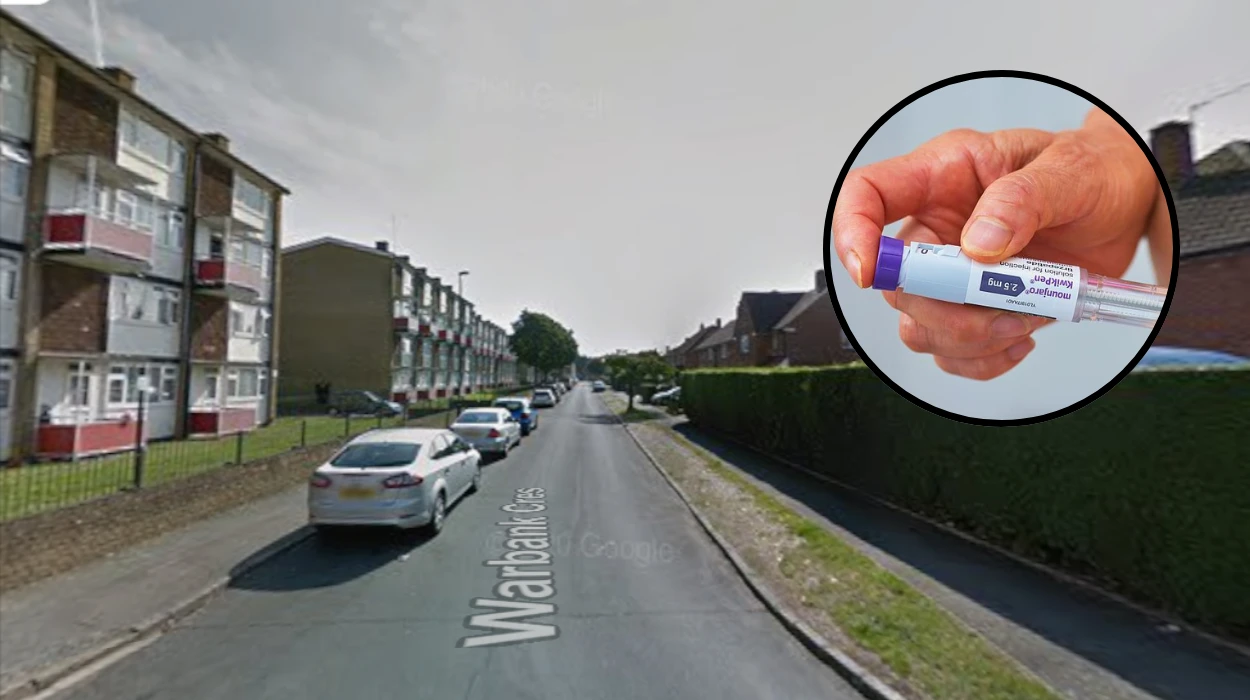
- The Value: Police recovered 34 boxes of Ozempic stored inside Daniel’s home refrigerator, carrying an estimated retail value of £4,080.
- The Timeline: The thefts took place over a nearly three-week period between 17 April and 5 May 2026, exposed after pharmacy clients lodged formal delivery complaints.
- The Motive: The defence counsel stated that Daniel was suffering from an unspecified eating disorder and used the stolen medication strictly for self-treatment rather than financial or commercial gain.
- Legal Proceedings: Daniel pleaded guilty to theft at Croydon Magistrates’ Court on Monday, 1 June 2026. Sentencing has been adjourned until 28 July 2026 to allow for the preparation of pre-sentence reports.
Croydon (Extra London News) June 1, 2026 – A trusted pharmaceutical delivery driver with more than two decades of unblemished service has admitted to systematically stealing thousands of pounds worth of the highly sought-after weight-loss drug Ozempic from a South London distribution facility. Peter Daniel, 62, confessed to pilfering more than 30 boxes of the medication from his employer, Cencora Alliance Healthcare, during a summary hearing at Croydon Magistrates’ Court on Monday. The court was informed that the defendant, motivated by a severe, underlying eating disorder, hid the stolen weekly injectables in his home refrigerator for personal use rather than selling them on the black market.
- Key Points
- Who Is Peter Daniel, and What Did He Confess to in Court?
- How Was the Wholesale Ozempic Theft Discovered at Cencora Alliance Healthcare?
- What Was Found Inside the Defendant’s Home During the Police Raid?
- Why Did a Veteran Delivery Driver Steal Weight-Loss Medication?
- What Arguments Did the Prosecution Raise Regarding Public Safety?
- What Are the Next Legal Steps and When Will Peter Daniel Be Sentenced?
- How Does This Case Reflect Wider Trends in Ozempic Supply and Misuse?
The breach of trust was uncovered following an internal investigation sparked by several pharmacies complaining about missing inventory. The court heard that Daniel’s actions directly disrupted the supply chain of a medication currently experiencing global shortages. Prosecutors have sought severe penalties, citing the high degree of professional responsibility invested in the veteran employee, while the defence has pleaded for leniency, pointing to his mental health battles and an immediate, cooperative admission of guilt. Magistrates have delayed final sentencing until late July while probation services compile comprehensive background reports.
Who Is Peter Daniel, and What Did He Confess to in Court?
As reported by the court correspondent for The Independent, the defendant is a 62-year-old resident of Croydon, South London, who had spent nearly a quarter of a century maintaining an exemplary employment record within the medical supply sector. Daniel appeared in the dock at Croydon Magistrates’ Court on Monday, 1 June 2026, dressed plainly in a blue sports full-zip jumper and a grey t-shirt. Throughout the brief but consequential arraignment, Daniel spoke only to confirm his basic identity details—including his name, age, and home address—before officially entering a formal guilty plea to the single charge of theft by an employee.
According to legal records outlined during the proceedings, Daniel abused his operational access as a logistics courier to bypass internal distribution protocols. His confession confirmed that he deliberately intercepted, extracted, and concealed specific shipments of semaglutide—the active pharmaceutical ingredient in Ozempic—over a concentrated period of time. By pleading guilty at the earliest available opportunity, Daniel bypassed a full criminal trial, shifting the legal focus entirely toward his psychological state, his unblemished professional past, and the upcoming sentencing evaluation.
How Was the Wholesale Ozempic Theft Discovered at Cencora Alliance Healthcare?
The exposure of the internal mailroom theft came to light through a wave of inventory discrepancies reported by healthcare providers across the regional network. As detailed by prosecutor Michael A’Herne during the Crown’s opening statement, multiple independent pharmacies and local hospitals filed urgent administrative complaints between 17 April and 5 May 2026, noting that their scheduled deliveries of diabetes and weight-management medications were arriving significantly short of their ordered allocations.
Following these repeated disruptions, security compliance officers at Cencora Alliance Healthcare—a primary pharmaceutical wholesaler responsible for supplying vital medicines across the United Kingdom—initiated a comprehensive internal audit. The investigation centered on the physical sorting hubs and dispatch bays where orders are grouped into regional routes.
As further stated by prosecutor Michael A’Herne, digital surveillance experts reviewed internal closed-circuit television (CCTV) footage from the distribution warehouse. The video evidence clearly captured Daniel approaching various sorting compartments, known colloquially within the facility as “pigeon holes,” which were designated for outgoing pharmacy orders. The footage showed Daniel systematically extracting individual packages of Ozempic from the slots and concealing them, deliberately diverting the prescription drugs away from their intended medical destinations.
What Was Found Inside the Defendant’s Home During the Police Raid?
Once internal investigators identified Daniel on the surveillance tapes, the matter was immediately handed over to local law enforcement authorities. Officers subsequently secured a residential search warrant for the driver’s Croydon property to locate the missing pharmaceuticals, which require strict climate control to preserve their chemical efficacy.
As reported by The Independent, prosecutor Michael A’Herne informed the magistrates that a subsequent police search of Daniel’s home successfully uncovered the missing items. Officers found a total of 34 boxes of Ozempic carefully stored inside the defendant’s domestic kitchen refrigerator.
The prosecution quantified the financial scale of the operation, stating that the recovered cache carried a combined wholesale and retail valuation of £4,080. Court disclosures indicated that each individual box of the medication commands an estimated retail value of roughly £300 on the current market, driven heavily by an unprecedented spike in global consumer demand over the past several years. The fact that the items were kept refrigerated and completely intact supported the timeline established by the warehouse’s missing delivery logs.
Explore More Croydon News
Rogue Croydon Garage Shut Down After Anti-Social Behaviour Crackdown: Thornton Heath 2026
Police Appeal After Train Sexual Assault: West Croydon 2026
Why Did a Veteran Delivery Driver Steal Weight-Loss Medication?
The motive behind the high-volume theft remains the most distinct element of the case, deviating from typical white-collar or warehouse opportunistic crimes aimed at secondary market profiteering. Rather than seeking financial gain through the illicit resale of a high-commodity drug, the court heard that the motivation was rooted entirely in personal health struggles.
As stated by defence solicitor Mohammed Bismillah, representing Daniel, the 62-year-old driver was battling a severe and unaddressed eating disorder. The defence argued that Daniel did not seek out the wholesaler’s stock out of greed, but rather out of a desperate, misguided attempt to self-medicate and manage his psychological condition.
Furthermore, as maintained by defence counsel Mohammed Bismillah, Daniel “was using the items for his own use, not commercial gain.” The legal team emphasised that none of the 34 recovered boxes had been distributed, sold, or offered to third parties. The defence argued that the behavior was a compulsive manifestation of a medical struggle, rather than an organised criminal enterprise. They noted that Daniel had spent 23 years with the company without a single disciplinary infraction or suspicion of dishonesty prior to this instance.
What Arguments Did the Prosecution Raise Regarding Public Safety?
Despite the defence’s emphasis on mental health and personal use, the prosecution argued that the theft of prescription-only medication represents a broader threat to public safety and institutional integrity. The Crown focused heavily on the responsibilities tied to the distribution of regulated substances.
As stated by prosecutor Michael A’Herne, the state viewed Daniel’s actions through the lens of the highest degree of legal culpability. This evaluation was based directly on the “high degree of trust” that Cencora Alliance Healthcare had placed in the driver over his more than two decades of employment. Couriers within the pharmaceutical supply chain are granted unescorted access to high-value, highly restricted chemical substances, making any internal deviation a severe breach of industry compliance.
In addition to the breach of employment terms, the prosecution raised alarms regarding the health risks associated with unmonitored pharmaceutical consumption. As reported by The Independent, prosecutor Michael A’Herne warned the bench that “medication could be dangerous in the hands of someone that doesn’t know how to use it or prescribe it.” The Crown argued that circumventing clinical oversight to access clinical-grade weight-loss injectables bypasses vital screening for contraindications, organ function monitoring, and correct dosing schedules, setting a dangerous precedent for the self-administration of restricted drugs.
What Are the Next Legal Steps and When Will Peter Daniel Be Sentenced?
How did the court respond to the defence requests?
Following the presentation of arguments from both sides, the bench of magistrates accepted Daniel’s early guilty plea but chose to defer passing immediate judgment. The court acknowledged the contrasting factors of the case: the significant value of the stolen goods and the breach of employer trust, balanced against the defendant’s clean record, his cooperation with police, and his documented health struggles.
As noted in the court records, the magistrates determined that a thorough background assessment would be required before establishing a fair penalty. Defence solicitor Mohammed Bismillah explicitly requested that the bench consider issuing a non-custodial community-based sentence, arguing that a rehabilitative framework focusing on mental health support would be far more appropriate and effective than incarceration for a first-time offender facing an eating disorder.
When is the final court date set?
To allow the National Probation Service sufficient time to interview Daniel, evaluate his psychological state, and prepare comprehensive pre-sentence reports, the head of the bench formally adjourned the legal proceedings. Peter Daniel was granted conditional bail and is scheduled to return to Croydon Magistrates’ Court on 28 July 2026, where a full panel will hand down his final sentence.
How Does This Case Reflect Wider Trends in Ozempic Supply and Misuse?
Why is demand for semaglutide impacting supply chains?
The theft at the Croydon distribution center highlights the immense pressure currently facing the global pharmaceutical supply chain regarding GLP-1 receptor agonists. Originally developed to assist type 2 diabetes patients in managing blood sugar levels, semaglutide has seen a massive surge in global demand due to its high efficacy in weight management. This surge has led to widespread shortages across the United Kingdom, affecting both the National Health Service (NHS) and private pharmacies.
Because supply has frequently struggled to meet public demand over the past few years, individual boxes of Ozempic have become high-value targets. This intense demand creates significant vulnerabilities within wholesale networks, where single pallets or sorting boxes can represent thousands of pounds in illicit market value.
What are the dangers of acquiring restricted drugs outside clinical settings?
Medical professionals across the UK have repeatedly warned against obtaining medications like Ozempic outside of standard clinical pathways. When individuals bypass a formal GP consultation or a registered specialist, they lose necessary health screenings, such as vital thyroid and pancreatic evaluations.
Furthermore, independent medical bodies point out that stealing or purchasing unprescribed injectables increases the risk of incorrect dosing and improper storage. Medications left outside controlled refrigeration can degrade rapidly, rendering them ineffective or dangerous. As courts increasingly encounter cases involving the diversion of lifestyle and metabolic treatments, legal and medical experts suggest that supply chain security and workplace psychological support within pharmaceutical firms will likely face much tighter scrutiny.