Key Points
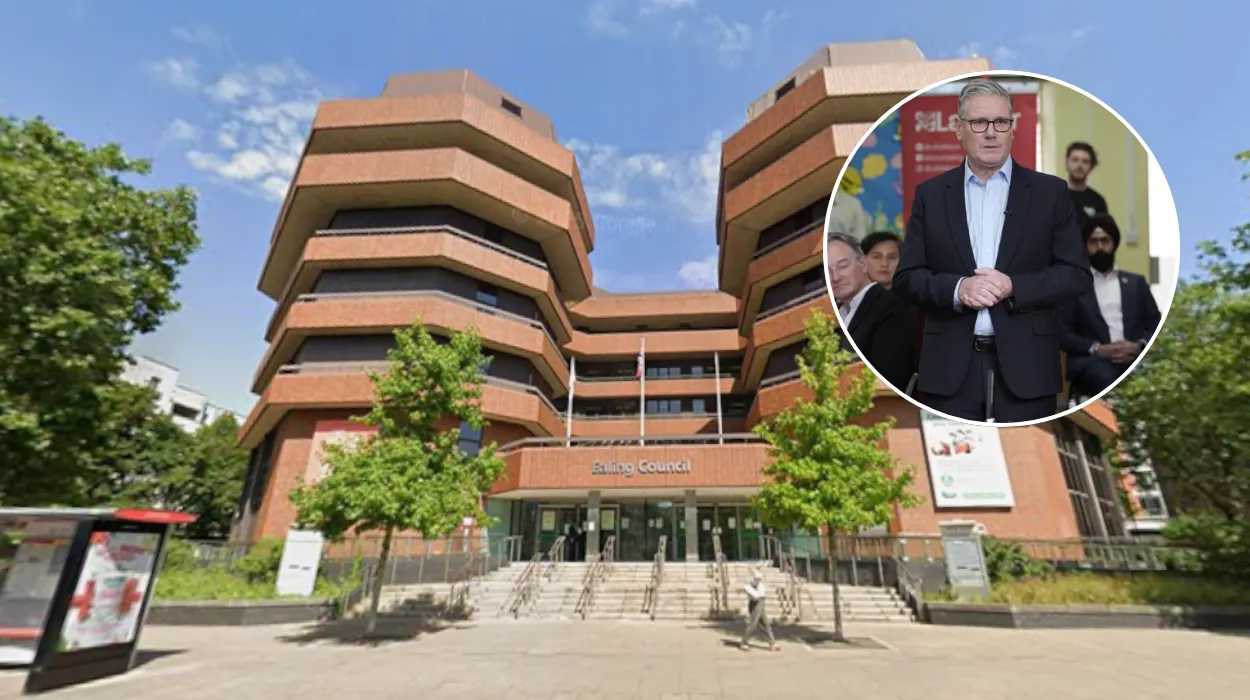
- British Prime Minister Keir Starmer spoke to Labour Party members at Kingsdown Methodist Church Hall in Ealing, west London, on Friday, one day after the local elections.
- Starmer acknowledged a bruising local election result for his governing Labour Party, appearing before cameras before final votes were counted.
- The local elections were widely seen as a referendum on his leadership.
- Starmer insisted he would carry on as prime minister despite Labour’s disastrous local election losses.
Ealing, West London (Extra London News) May 9, 2026 – British Prime Minister Keir Starmer addressed Labour Party members at Kingsdown Methodist Church Hall yesterday, a day after local elections delivered a severe setback to his governing party. In a swift public response, Starmer conceded the poor performance even as some results were still pending, framing the contest as a critical test of his leadership. He vowed to remain in office, signalling resolve amid mounting pressure on his administration.
- Key Points
- What Happened at the Kingsdown Methodist Church Hall Event?
- Why Were the Local Elections Seen as a Referendum on Starmer’s Leadership?
- What Did Keir Starmer Say About Carrying On as Prime Minister?
- How Did Labour Perform in the Local Elections?
- What Was the Context of Starmer’s Appearance Before Final Votes Were Counted?
- Who Attended the Labour Party Meeting in Ealing?
What Happened at the Kingsdown Methodist Church Hall Event?
Prime Minister Keir Starmer gathered Labour Party members at Kingsdown Methodist Church Hall in Ealing, west London, on Friday evening.
This appearance came just 24 hours after local elections across Britain, where early tallies showed Labour suffering substantial losses.
According to reports from the scene, Starmer moved quickly to acknowledge the bruising results before all votes were fully counted, a move interpreted by observers as an attempt to control the narrative.
As reported by journalists covering the event, Starmer spoke directly to party faithful, urging unity despite the electoral disappointment.
The venue, a modest church hall in his party’s traditional heartland, underscored the grassroots nature of the gathering.
Eyewitness accounts described a sombre atmosphere, with members listening intently as the Prime Minister addressed the implications of the vote.
Why Were the Local Elections Seen as a Referendum on Starmer’s Leadership?
The local elections were widely viewed as a litmus test for Keir Starmer’s premiership, less than a year into his government’s term.
Political analysts noted that voters used the contests to register discontent with national policies, including economic pressures and immigration handling. Labour, once riding high after its general election triumph, faced a disastrous performance in key councils.
As reported by Daniel Boffey, Political Editor of The Guardian, in coverage of partial results,
“Starmer’s comments came as partial results showed Labour losing ground to rivals.”
This framing positioned the elections not merely as municipal polls but as a direct verdict on Starmer’s leadership.
Opposition parties, including the resurgent Reform UK and Conservatives, capitalised on voter fatigue with Labour’s governance.
What Did Keir Starmer Say About Carrying On as Prime Minister?
Keir Starmer categorically insisted he would carry on as prime minister despite the Labour Party’s disastrous local election losses.
In remarks delivered at the church hall, he dismissed calls for his resignation, emphasising his commitment to the party’s long-term vision. “I am here to lead us through this,” Starmer stated, according to on-site reporting.
As quoted in Yahoo News Canada coverage by unnamed political correspondents, British Prime Minister Keir Starmer insisted he would carry on as prime minister despite his Labour party suffering disastrous local election losses.
This defiance came amid speculation of internal party unrest, with some backbenchers reportedly questioning his strategy. Starmer’s tone blended accountability with optimism, pledging policy reviews without conceding ground.
How Did Labour Perform in the Local Elections?
Early returns painted a grim picture for Labour, with the party losing hundreds of seats across multiple councils. In areas like Ealing, where Starmer spoke, Labour saw incumbents ousted by independents and opposition challengers.
Nationwide, the Reform UK party made significant inroads, siphoning votes from Labour’s working-class base.
According to The Guardian’s live election blog, partial results showed Labour haemorrhaging support, with losses estimated at over 150 councillors by midday Friday. Starmer’s preemptive address acknowledged these trends, describing them as a
“wake-up call” while attributing some defeats to local issues rather than national failings. Final tallies, declared into Saturday, confirmed the scale of the reversal.
What Was the Context of Starmer’s Appearance Before Final Votes Were Counted?
Keir Starmer appeared before cameras before the final votes were counted, a tactical decision to shape public perception proactively.
This occurred on Friday, mere hours after polls closed, as counters processed ballots in high-stakes wards. The timing allowed him to frame the narrative around resilience rather than defeat.
As detailed in Yahoo News reporting, British Prime Minister Keir Starmer moved quickly to acknowledge a bruising local election result for his governing Labour Party, appearing before cameras before the final votes were counted in a contest widely seen as a referendum on his leadership.
Party insiders suggested this was coordinated with Labour’s communications team to preempt hostile headlines. Critics, however, viewed it as premature panic.
Who Attended the Labour Party Meeting in Ealing?
The event at Kingsdown Methodist Church Hall drew Labour Party members from Ealing and surrounding boroughs, including local councillors and activists reeling from overnight defeats.
Keir Starmer was the centrepiece, flanked by London Mayor Sadiq Khan and regional organisers. Attendance was estimated at around 200, reflecting community-level engagement.
Reports indicated a mix of dismay and determination among attendees, with some vocalising frustration over policy delivery.
No senior cabinet ministers were publicly noted, keeping the focus on Starmer’s personal outreach. The hall’s community setting reinforced Labour’s “change” branding from the general election.