Key Points
- High Court judge Mr Justice Edward Pepperall ruled on 4 March 2026 that Croydon Council’s six Low Traffic Neighbourhoods (LTNs) were unlawful, as their dominant purpose was revenue generation rather than road safety or health benefits.
- The LTNs, trialled in 2020 during the pandemic in areas including Addiscombe, Broad Green, and South Norwood, were made permanent via the Croydon (Traffic Movement) (Nos. 1-6) Orders 2024 in March 2024 under the Road Traffic Regulation Act 1984.
- Mayor Jason Perry, a Conservative elected in 2022, campaigned to remove LTNs “from Day One” but retained them due to budgetary constraints, projecting over £10 million in fines over four years from £160 Penalty Charge Notices (PCNs), reduced to £80 if paid promptly.
- Claimant Karen Lawrence, from the Open Our Roads campaign group, argued the schemes were introduced for an improper purpose of raising revenue, described in court as a “fat financial cow”.
- The judge quashed the orders, ordering removal of the LTNs; enforcement via ANPR cameras generated £1.4 million in one month alone.
- Croydon Council, bankrupt three times in five years, faces potential refunds of millions; it removed all six LTNs and halted PCNs, as stated on its Facebook page.
- Open Our Roads called for immediate halt to enforcement, scheme removal, and refund mechanisms, emphasising “residents deserve transparency and decisions based on evidence, not financial necessity”.
Croydon (Extra London News) May 4, 2026 – The High Court has quashed six Low Traffic Neighbourhoods (LTNs) operated by Croydon Council, ruling them unlawful due to their primary aim of generating revenue from motorists rather than improving road safety or air quality. Mr Justice Edward Pepperall delivered the judgment on Thursday, 4 March 2026, finding that the council exercised its powers for an “improper purpose” when making the schemes permanent in 2024. This landmark decision could compel the financially strained borough to dismantle the restrictions and refund drivers penalised under the now-invalid orders.
What Triggered the High Court Challenge?
The legal action was initiated by Karen Lawrence, a Croydon resident deeply affected by the LTNs, who formed part of the Open Our Roads pressure group with like-minded locals. As reported by Steven Downes of Inside Croydon, Lawrence claimed the council misused its powers under the Road Traffic Regulation Act 1984 by prioritising revenue over environmental goals, with barrister Kevin Leigh stating in court on 4 December 2025,
“It’s clearly about the money. That’s the driver here. It’s not coincidental that this happened at the same time the council was in dire financial straits. There’s an ulterior motive.”
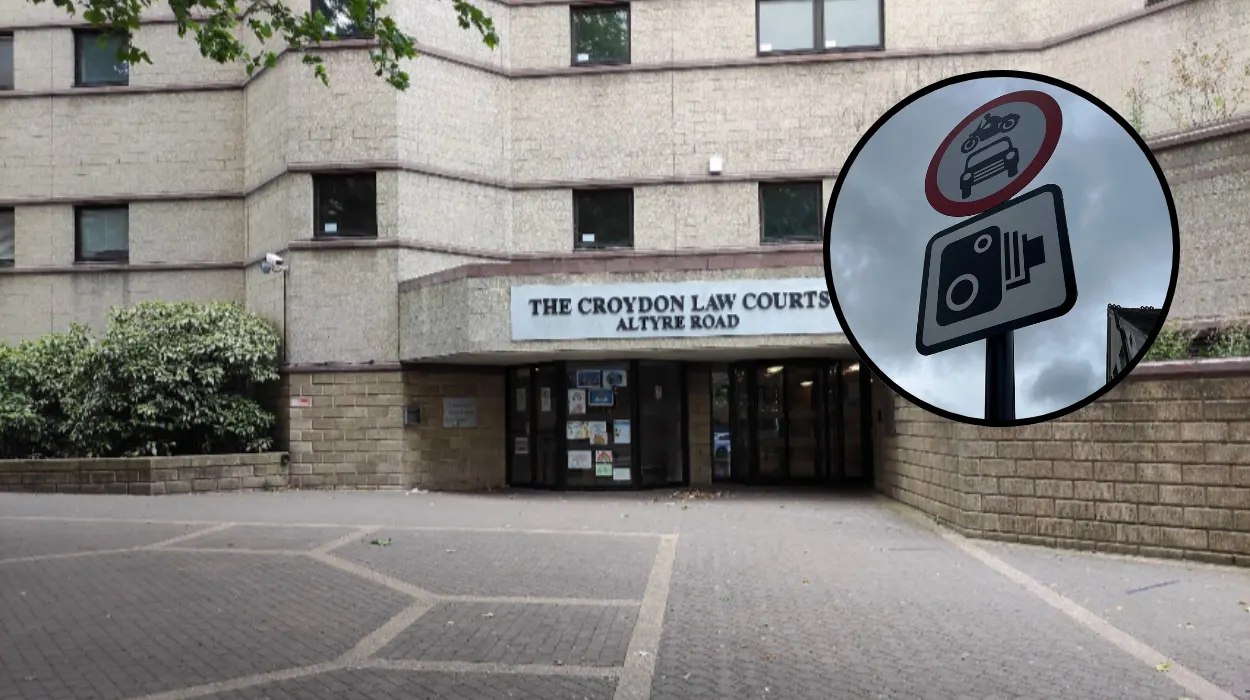
The case, heard at the Royal Courts of Justice, highlighted procedural issues described by Mr Justice Pepperall as “something of a procedural dog’s breakfast”, including disputes over venue and timing. Leigh further argued the schemes had “Draconian effects” on residents, preventing access to homes and diverting traffic to surrounding roads.
Why Did the Judge Rule the LTNs Unlawful?
Mr Justice Pepperall concluded that revenue protection was the “dominant purpose”, stating:
“Taking the relatively modest benefits of the schemes into account together with the mayor’s apparent lack of public enthusiasm for the road safety or health case for these schemes, and his clear and repeated comments before and after the vote as to his hands being tied by the budgetary considerations, I am satisfied on the balance of probabilities that the dominant purpose for these orders making the schemes permanent was the need to safeguard the revenue raised by enforcement. Such purpose was unlawful and I therefore quash the orders.”
As detailed by Jack Walters of GB News, the judge dismissed the council’s procedural defences, noting officer reports identified only “modest” safety benefits but that financial motives overrode them.
Local Government Lawyer reported the schemes closed roads with camera enforcement and residents’ permits, but revenue—not these aims—prevailed.
What Role Did Mayor Jason Perry Play?
Mayor Jason Perry’s contradictory statements proved pivotal. In opposition, Perry vowed to remove LTNs “from Day One” if elected, criticising Labour’s mismanagement, as noted by Inside Croydon. Post-2022 election, he admitted budgetary ties: “£20million of future income… would have to be replaced,” per court evidence.
A Telegraph report quoted Perry:
“The decision to introduce [Low Traffic Neighbourhood] schemes was made by the previous administration before I was elected as mayor. The council’s budget is predicated, partly of course, on that decision, and I do not feel that I am in a position to reverse it.” Mr Justice Pepperall highlighted Perry’s lack of enthusiasm for safety arguments, focusing instead on finances. Perry later claimed he never pledged removal, saying, “I did not at any point say that I would remove all the [Low Traffic Neighbourhood schemes] because I just knew it was not a pledge that I could uphold.”
How Much Revenue Did the LTNs Generate?
The LTNs proved highly lucrative for the cash-strapped council, which has declared effective bankruptcy three times in five years. Freedom of Information data showed £1.4 million in fines in one month, with projections of £10.7 million over four years from £160 PCNs (£80 if paid early).
As per GB News by Jack Walters, ANPR cameras enforced restrictions in six areas trialled since 2020. Roads department reports confirmed expected breaches for revenue, amid a £485.4 million net expenditure budget for 2026-27.
What Happens Next for Croydon Council?
The quashing order mandates LTN removal, with the council having 21 days to appeal, though none was confirmed by publication. Croydon Council announced on Facebook:
“We have removed all six of Croydon’s Low Traffic Neighbourhoods and will no longer be issuing penalty charge notices (PCNs) in these roads.”
BBC News reported drivers fined over LTNs will receive refunds after schemes were scrapped. Open Our Roads demanded immediate enforcement suspension and refunds. Inside Croydon and GB News noted no response from Perry or council officials, including senior legal officer Stephen Lawrence-Orumwense. Potential costs include tens of millions in refunds dating to 2020.
Who Is Open Our Roads and What Do They Want?
Open Our Roads, formed by residents like Karen Lawrence, challenged the LTNs on legality grounds. Post-ruling, they stated:
“Today’s judgment confirms that local authorities must act lawfully and for the purposes parliament intended. Residents deserve transparency and decisions based on evidence, not financial necessity.”
The group welcomed the verdict and urged other councils to heed it, as per GB News. Inside Croydon quoted their call for refunds and scheme dismantling.
What Is the Broader Impact on LTNs in London?
This ruling follows similar cases, including Lambeth Council’s West Dulwich LTN deemed unlawful last year for ignoring objections. A Tower Hamlets challenge heads to the Supreme Court. TransportXtra’s Deniz Huseyin reported the judge affirmed revenue as the “dominant purpose”.
BBC noted Croydon’s LTNs were mainly for income generation. Campaigners suggest it warns authorities against financial motives disguised as environmental measures.