Key Points
- Hackney Council is set to spend more than £15 million on consultants to assess the scale of fire hazards across its housing estates.
- The council awarded two contracts worth £7.8 million each to Frankham Risk Management and Airey Miller Ltd.
- The work will involve a “substantial” fire safety review of high-rise and mid-rise blocks across the borough.
- The consultancy costs will be fully funded by government grants under the Cladding Safety Scheme.
- A £11 million deal had already been agreed in July 2025, but the council approved an extra £4.4 million to speed up procurement.
- The move is intended to help Hackney meet the government’s deadline to secure funding for fire safety works by 2029.
- New building safety rules require local authorities to carry out fresh inspections, especially on buildings with potentially combustible materials in cladding, insulation, balconies and brickwork.
- After Grenfell, Hackney said none of its buildings had the same Aluminium Composite Material used on Grenfell Tower, but it has still removed cladding from high-rise blocks on four estates.
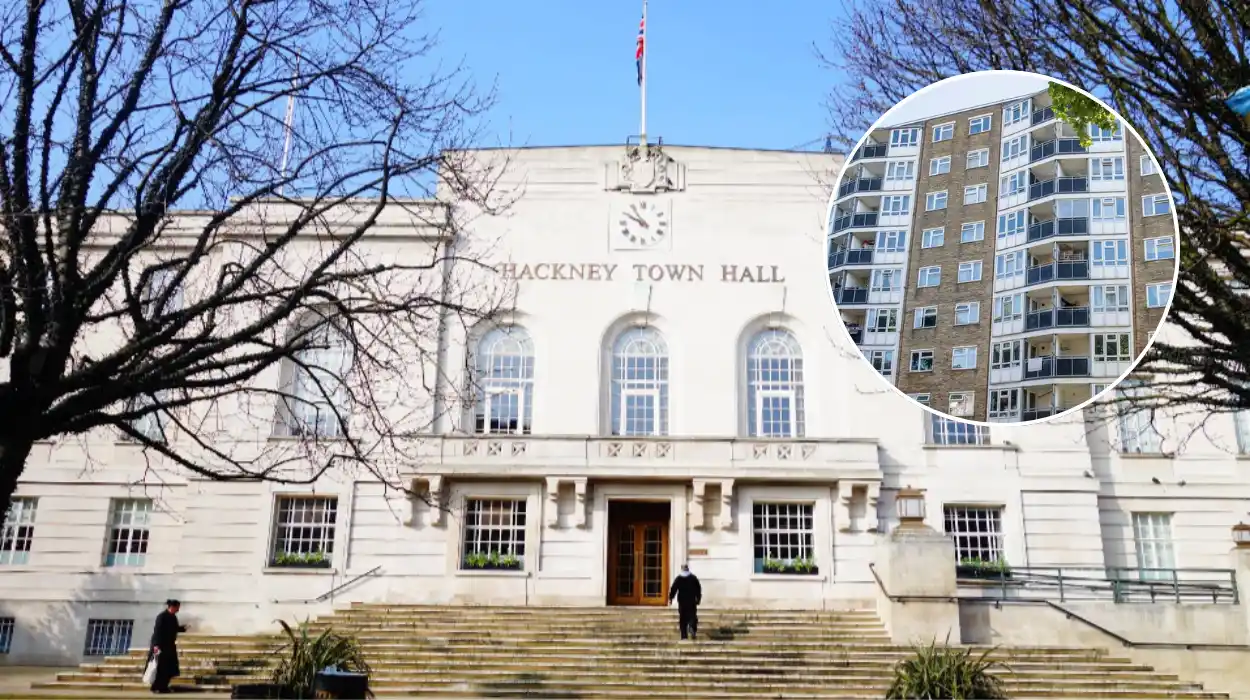
Hackney (Extra London News) April 25, 2026 – Hackney Council is set to pay consultants more than £15 million to work out the scale of fire hazards in buildings across its housing estates, as the borough steps up fire safety checks on high-rise and mid-rise blocks. The spending, which totals £15.6 million, comes as councils across England face tighter scrutiny over building safety in the wake of the Grenfell Tower fire and a wider push to identify and remove unsafe materials from residential buildings.
Why is Hackney Council spending £15.6 million?
Hackney Council approved two contracts worth £7.8 million each for Frankham Risk Management and Airey Miller Ltd to carry out a “substantial” fire safety review of buildings across the borough.
The work will focus on high-rise and mid-rise blocks in council housing estates, with the aim of identifying the extent of fire hazards and the remedial work needed to reduce risk.
As reported in the council’s latest move, the consultancy bills will be met entirely by government grants through the Cladding Safety Scheme (CSS).
That means the cost will not come directly from local council tax funds, but from central government support intended to address building safety failings.
How did the deal grow so quickly?
The latest approval builds on an earlier £11 million agreement reached in July 2025. Hackney Council has now added a further £4.4 million, saying the extra money is needed to accelerate procurement and keep pace with strict government timelines.
The council’s stated priority is to secure grant funding in time to deliver the required fire safety works by 2029. In practice, that means faster contracting and quicker assessments now, so that construction and remediation work can follow without missing funding windows.
What will the consultants actually do?
The consultants will examine fire safety risks across council-owned buildings, including risks linked to cladding, insulation, balconies and brickwork.
Changes to building safety regulations have widened the scope of inspections, meaning councils must now look beyond obvious exterior cladding problems and consider other potentially combustible materials on or within buildings.
The review is expected to be extensive because the council must establish the scale of defects before it can plan and fund repairs.
That includes deciding which buildings need immediate intervention and which can be scheduled for later works.
How does Grenfell shape this work?
Hackney’s renewed safety drive sits firmly in the shadow of the 2017 Grenfell tragedy. After that fire, the council said none of its buildings had the same flammable Aluminium Composite Material, or ACM, used on Grenfell Tower.
Even so, the borough has already removed cladding from high-rise buildings across four estates to bring them in line with updated safety standards.
The current consultancy programme suggests the council is still working through a wider programme of checks and remediation, rather than treating cladding replacement as a finished task.
What do the new rules require?
The tighter inspection regime reflects broader changes to building safety rules in England. Local authorities are now expected to carry out fresh fire safety inspections on buildings, especially those built or refurbished with materials that may be combustible.
That includes not only cladding, but also insulation, balcony structures and some brickwork systems.
The reason is simple: post-Grenfell policy has shifted toward identifying hidden fire risks in external wall systems and other parts of the building envelope before those risks lead to another major incident.
Who are the firms involved?
Hackney Council has awarded the contracts to Frankham Risk Management and Airey Miller Ltd.
The council has not publicly said in the quoted material how the two firms will divide the work, but both are expected to contribute to the borough-wide inspection and review process.
Their role will be to help the council assess the scale of fire hazards and determine what remedial measures are needed. In effect, the consultants are being brought in to provide the technical groundwork for a larger building safety programme.
Why is the timing important?
The council says the extra £4.4 million is designed to speed up procurement so it can meet government deadlines.
The key deadline cited is 2029, by which time the council aims to have secured and delivered the necessary fire safety works with grant support.
That urgency reflects the pace of building safety regulation in recent years, where councils and housing providers have faced pressure to survey, prioritise and fix potentially unsafe blocks. For Hackney, the financial decision now is about avoiding delays later.
What does this mean for residents?
For residents in Hackney council housing, the immediate effect is more inspections and a longer period of technical assessment across estates. In the short term, that may mean surveys, access requirements and further notices about building checks.
In the longer term, the council’s spending suggests more remediation work may follow if hazards are confirmed. The goal is to reduce the chance of another serious fire risk emerging from external wall systems or other building materials that now fall under stricter scrutiny.
What happens next?
The next step is for the contracted consultants to begin or continue detailed assessments across the identified blocks. Once those findings are complete, Hackney Council will be able to plan the remedial programme and apply the government-backed funding in line with the Cladding Safety Scheme.