Key Points
- Newham’s mayoral election will take place on Thursday 7 May, with polling open from 07:00 BST to 22:00.
- Newham Council will be elected on the same day.
- Eight candidates are standing for mayor of Newham.
- The candidates are Terri Bloore of the Local Conservatives, Areeq Chowdhury of the Green Party, Clive Furness of Reform UK, Forhad Hussain of Labour, Kamran Malik of Communities United Party, Mehmood Mirza of Newham Independents Party, Bharath Swamy of Christian Peoples Alliance and Laura Claire Willoughby of the Liberal Democrats.
- Labour has won every elected mayoral contest in Newham since the role was created in 2002.
- Rokhsana Fiaz won the 2022 election in the first round with 56.2% of the vote, while turnout was 28%.
- An elected mayor has real executive powers over borough policy, unlike ceremonial mayors in many London boroughs.
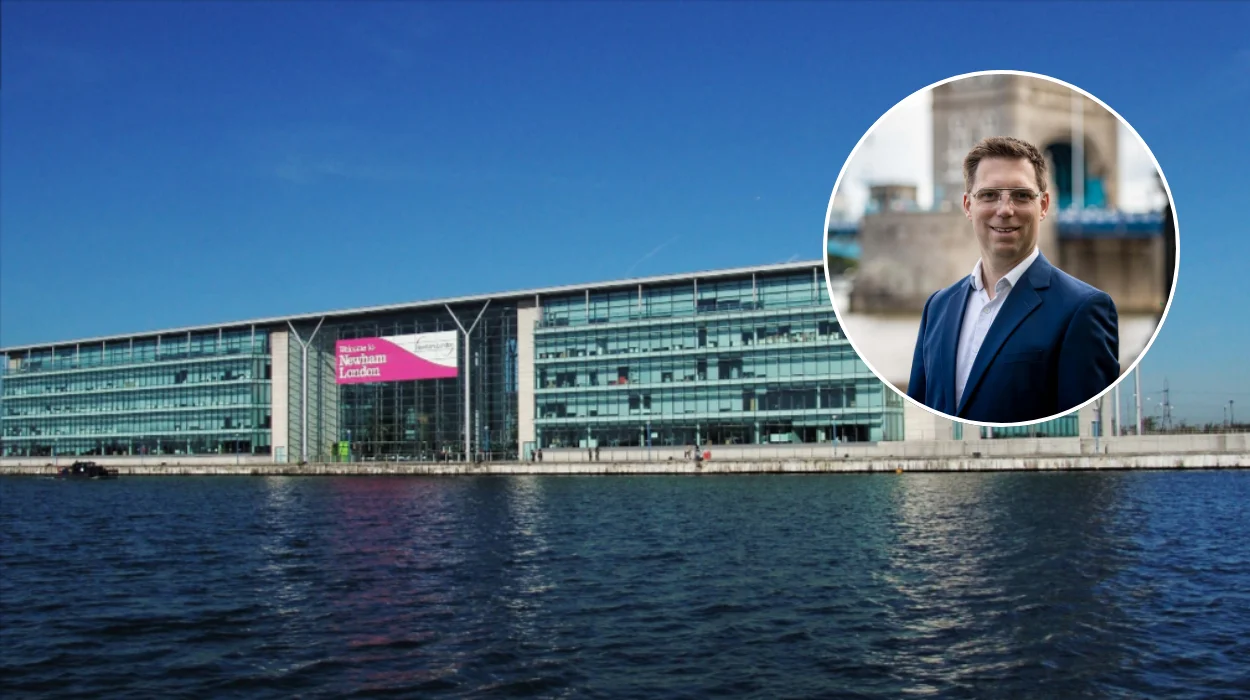
Newham (Extra London News) April 16, 2026 – Newham voters are preparing for a key local ballot as the borough heads into its mayoral election, with London politics once again coming into focus as parties try to win control of one of the capital’s most closely watched councils.
As reported by the BBC, the vote for mayor of Newham will be held on Thursday 7 May, with polling station hours set between 07:00 BST and 22:00, and the council election taking place at the same time. The BBC also listed eight candidates in the contest, making this one of the more crowded races in recent Newham local election cycles.
Who is standing?
The candidates standing for mayor are Terri Bloore for the Local Conservatives, Areeq Chowdhury for the Green Party, Clive Furness for Reform UK, Forhad Hussain for Labour, Kamran Malik for Communities United Party, Mehmood Mirza for Newham Independents Party, Bharath Swamy for Christian Peoples Alliance and Laura Claire Willoughby for the Liberal Democrats.
In practical terms, this gives voters a broad field spanning the main national parties and several smaller local or minor parties, which is often a sign of a competitive local contest in London politics. The presence of multiple challengers also means the result may depend heavily on turnout, transfer patterns and how strongly different communities engage with the race.
What happened last time?
Rokhsana Fiaz, the Labour candidate, won the 2022 Newham mayoral election in the first round with 56.2% of the vote, according to the BBC’s summary of the previous contest. Turnout was 28%, which shows that local mayoral elections can be decided by a relatively small share of the electorate.
Newham has had an elected mayor since 2002, and Labour has won every election since then. That long run gives the party a strong local record to defend, but it also raises expectations among voters who may compare the borough’s current direction with its earlier promises.
What does the mayor do?
An elected mayor is different from a ceremonial borough mayor because the role carries executive authority over local services and policy. The mayor leads the council politically and appoints a cabinet of councillors who oversee areas such as finance, community safety and children’s services.
The post also has influence over housing, local regeneration, affordable housing targets, planning and waste collection. That means the result matters not only for party politics but also for day-to-day issues affecting residents across Newham.
Why does it matter locally?
The election matters because Newham is one of the London boroughs where the mayor is not just a figurehead but a political leader with direct responsibility for local decision-making. In London politics, that gives the contest wider significance than a routine council vote, especially on housing, planning and public services.
The mayoral system is designed to give one person a clear mandate, with the London Assembly and other institutions providing scrutiny in the wider London governance framework. While Newham is a borough-level contest rather than a City Hall election, the result still sits within the broader pattern of how London is governed locally.
Background to the role
The elected mayor model has been part of Newham’s political structure since 2002, making it one of several London boroughs with an elected rather than ceremonial mayor. In the wider London system, most borough mayors are ceremonial, but elected mayors hold significant executive powers and can shape the direction of local government.
That distinction is important because it explains why local elections in boroughs such as Newham attract attention beyond the immediate area. Decisions made by an elected mayor can affect housing delivery, regeneration priorities, service management and the council’s overall political direction.
Prediction for voters
For Newham residents, the outcome could affect how quickly local priorities are handled, especially on housing, planning and waste services, because those areas sit close to the mayor’s core responsibilities. If Labour retains the mayoralty, the party is likely to argue that it should continue its long record in the borough, while challengers will focus on turnout and any desire for change among voters.
For voters more broadly, the race may also influence how London politics is viewed at borough level, because Newham is one of the capital’s more recognisable mayoral contests. A low-turnout result would again underline how much local power can be decided by a relatively small number of votes.