Key Points
- James Manchand, 62, was jailed for 20 months after filming upskirting videos involving more than 20 victims in one evening in Soho, central London.
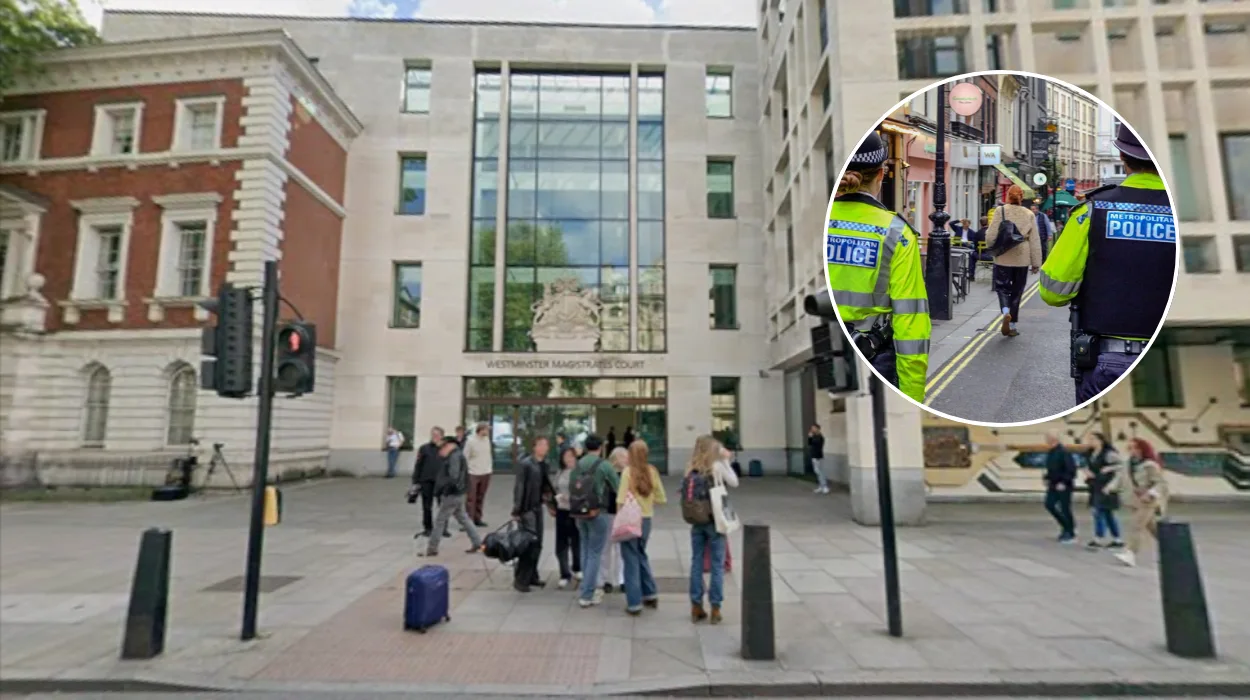
- He was ordered to forfeit a laptop and mobile phone at Westminster Magistrates’ Court on April 10.
- Officers spotted him pacing along queues and hovering around groups of young women outside busy West End venues on January 16.
- Police checks showed he was a known offender and was already subject to an active Sexual Harm Prevention Order for a previous voyeurism offence.
- The Metropolitan Police arrested him after the stop led to further checks on his devices and conduct.
- The case adds to wider concerns about London crime in the West End, where officers have repeatedly targeted theft, anti-social behaviour and sexual offences.
Soho, London crime (Extra London News) April 16, 2026 – A 62-year-old man has been jailed after Metropolitan Police officers stopped him in the West End and later found he had filmed upskirting videos involving more than 20 victims in a single evening in central London.
As reported by the Metropolitan Police, James Manchand was seen on January 16 pacing along queues and hovering around groups of young women outside busy West End venues, behaviour that prompted officers to step in and carry out a search. Police then checked his details and found he was a known offender who was already subject to an active Sexual Harm Prevention Order, or SHPO, linked to a previous voyeurism offence.
What happened in Soho?
Manchand was targeted by officers after they became suspicious of his behaviour in an area of the West End known for heavy footfall, nightlife and queues outside venues. The police intervention did not begin with the discovery of the videos themselves, but with his movements around groups of women, which officers believed may have signalled possible theft-related or other offending behaviour.
Once officers had stopped him and taken his details, checks revealed the earlier sexual offences history and the existing SHPO. That detail raised the seriousness of the case and showed that the man was already under court restrictions intended to prevent further sexual harm.
What did police find?
The later investigation established that Manchand had taken 29 videos involving more than 20 victims on the same evening in central London. The offence involved upskirting, which is the act of filming under someone’s clothing without consent, typically in public spaces.
According to the account, the filming took place over one night rather than over a longer period, which made the scale of the offending particularly significant. The case also shows how quickly a single suspect can target multiple victims in crowded nightlife settings.
What sentence was imposed?
Manchand was sentenced to 20 months’ imprisonment at Westminster Magistrates’ Court on April 10. He was also ordered to forfeit a laptop and mobile phone, reflecting the role of digital devices in recording the offences.
The sentence followed the police investigation into the January incident and the later analysis of the material recovered or linked to the offending. The forfeiture of the devices means they will not be returned to him after the case.
Why was the SHPO important?
Police checks showed that Manchand was already a known offender with an active Sexual Harm Prevention Order from a previous voyeurism conviction. A SHPO is designed to restrict behaviour that could lead to sexual harm, and breaching such an order can carry serious consequences.
In this case, the existence of the order made the offending more serious because it indicated the suspect had already been subject to formal restrictions aimed at preventing further risk. It also showed that the officer stop was not dealing with a first-time concern but with a man already on police radar.
How does this fit London crime?
The case sits within wider London crime concerns in the West End, where officers regularly deal with offences linked to crowded nightlife, including theft, harassment and sexual misconduct. The area’s busy venues and queues can create opportunities for offenders to target victims without immediate detection.
The Metropolitan Police has repeatedly deployed officers in central London to tackle crime in hotspot areas, including the West End. Cases like this show how public patrols can lead to interventions before more serious offending continues.
What did the police action achieve?
The officer stop appears to have been decisive in linking suspicious street behaviour to a more serious pattern of offending. What began as a concern about a man moving around queues and groups of women became a criminal case involving multiple victims and recorded sexual offences.
By intervening early, officers were able to identify the suspect, confirm his background and secure the evidence that supported prosecution and sentencing. The case also highlights the role of patrol policing in areas where offenders may blend into busy crowds.
Background of the development
Upskirting was made a specific criminal offence in England and Wales after growing concern about covert filming in public places. The law was introduced to address behaviour that had previously been harder to prosecute under older legal definitions.
Sexual Harm Prevention Orders are used by courts to restrict the conduct of offenders who pose a risk of sexual harm. They can include conditions about where a person may go, what devices they may use and how they may behave, with breaches treated seriously by the courts.
Prediction for London audiences
For people living, working or socialising in central London, this case may increase awareness of personal safety in crowded nightlife areas, especially around queues and busy venues in the West End. It may also encourage more vigilance from venue staff and police patrols when people are seen loitering or filming suspiciously.
For the wider public, the case is likely to reinforce the message that covert sexual offences can lead to arrest even when they begin as routine street patrol observations. In practical terms, it may lead to continued police focus on London crime hotspots where large crowds make it easier for offenders to target victims.