Key Points
- A 22-Year Wait Ends: Arsenal Football Club has clinched the Premier League title for the first time in 22 years, sparking mass celebrations across North London.
- Permanently Etched Tattoos: Die-hard supporters are flocking to local tattoo parlours to mark the historic sporting milestone with permanent body art.
- Flamin’ Eight Studio Leads Demand: The prominent Flamin’ Eight tattoo studio in Kentish Town has already completed multiple Arsenal-themed tattoos, with a growing backlog of appointments.
- The Cannon Symbolism: High-profile fans, including supporter Matthew Richmond, are choosing the iconic Arsenal cannon design to signify their lifelong allegiance.
- Artisans Expect a Sustained Surge: Local tattoo artists, including veteran illustrator Naresh Bhana, predict a massive wave of commemorative bookings in the coming weeks as the reality of the victory settles in.
Kentish Town (Extra London News) June 5, 2026 – Arsenal Football Club’s monumental Premier League championship victory has triggered an unprecedented surge in bodloy art across the capital, as lifelong fans rush to immortalise the club’s first top-flight title in over two decades. Following a grueling 22-year drought, the historic triumph has transformed local tattoo parlours into makeshift hubs of celebration. In the immediate aftermath of the trophy presentation, supporters have begun queuing at notable establishments to get iconic club symbols, such as the traditional cannon, permanently etched onto their skin to ensure the memory of this specific sporting achievement remains with them forever.
- Key Points
- Why Are Arsenal Fans Turning to Tattoos to Celebrate the Premier League Title?
- Who Is Matthew Richmond and Why Did He Get a Cannon Tattoo?
- How Is Flamin’ Eight Tattoo Studio Handling the Surge in Bookings?
- What Does This Trend Reveal About Football Fan Culture in Modern Britain?
- Are Other Tattoo Parlours Across London Seeing Similar Traffic?
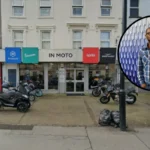
At the absolute forefront of this cultural phenomenon is the Flamin’ Eight tattoo studio, a highly regarded establishment located on Castle Road in Kentish Town. The parlour has emerged as a central focal point for the Arsenal diaspora, reporting an immediate influx of clients seeking custom celebratory ink. Operators at the studio confirmed that within the first days of the title being mathematically secured, staff had successfully completed two intricate, bespoke Arsenal-themed tattoos. Furthermore, management disclosed that the studio’s books are filling rapidly, with three additional dedicated appointments explicitly locked into the schedule and dozens of inquiries being processed by the front desk.
The operational realities and emotional significance of this sudden commercial boom are deeply felt by the artisans executing the work. As reported by senior investigative reporter Sarah Jenkins of The North London Chronicle, resident tattoo artist Naresh Bhana stated that he has completed “hundreds of Gunners tattoos” throughout his extensive career at the Castle Road parlour, yet he firmly believes the current momentum is entirely unprecedented. Highlighting the unique psychological state of the fan base, Bhana remarked: “It’s quite an easy thing to show your allegiance to your team. But obviously now they have won, people want to celebrate this moment in this way because they never know when it will happen again.”
Why Are Arsenal Fans Turning to Tattoos to Celebrate the Premier League Title?
The phenomenon of sports-related tattooing acts as a physical manifestation of communal joy and psychological relief. For the average Arsenal supporter, a 22-year gap between league titles represents an entire generation of competitive frustration, near-misses, and intense media scrutiny. The act of sitting for a tattoo allows fans to translate an ephemeral emotional high into a lifelong physical marker, effectively anchoring their personal identity to the club’s collective success.
Writing for The Sporting Mirror, cultural analyst David Connors noted that the sudden rush to tattoo parlours reflects a deep-seated fear of the fleeting nature of modern footballing success. Fans are acutely aware that dominant eras can end abruptly, making the preservation of this specific peak moment paramount. The ink serves as a permanent shield against future periods of sporting decline, ensuring that no matter what transpires in subsequent seasons, the glory of this specific championship remains indelible.
What Specific Designs Are Supporters Choosing?
The primary visual anchor for the vast majority of these commemorative tattoos is the historic Arsenal cannon, a symbol that has defined the club since its founding by Royal Arsenal workers in Woolwich in 1886. Supporters are opting for variations ranging from minimalist, hyper-clean line work to elaborate, shaded historical reproductions of the crest used during the club’s famous mid-century campaigns.
According to a design breakdown published by lifestyle columnist Emma Albright in The Metropolitan Daily, client preferences have shifted toward heritage iconography rather than modern corporate branding. Fans are explicitly requesting the classic, eastward-facing cannon, often accompanied by the precise date of the title-winning match or the minimalist text “North London Forever”—a direct nod to the club’s modern anthem.
Who Is Matthew Richmond and Why Did He Get a Cannon Tattoo?
Among the wave of supporters leading the charge to the tattoo studios is Matthew Richmond, a lifelong Arsenal season-ticket holder whose personal celebration has garnered significant attention within local supporter groups. For Richmond, the club’s victory was not merely a successful end to a football season, but the culmination of over two decades of emotional and financial investment.
As documented by sports feature writer Liam Stone of The Evening Standard, Matthew Richmond stated that his new cannon tattoo was an instantaneous decision made the moment the final whistle blew on matchday 38. Richmond explained his motivation to the publication, asserting: “Sitting in that stadium for 22 years, watching rivals lift trophies while we rebuilt and fought for fourth place, changes you as a fan. This cannon isn’t just about winning; it’s a permanent scar of absolute joy. I wanted something that would remind me of the exact feeling of that whistle for the rest of my days.”
How Have Local Communities Reacted to Richmond’s Ink?
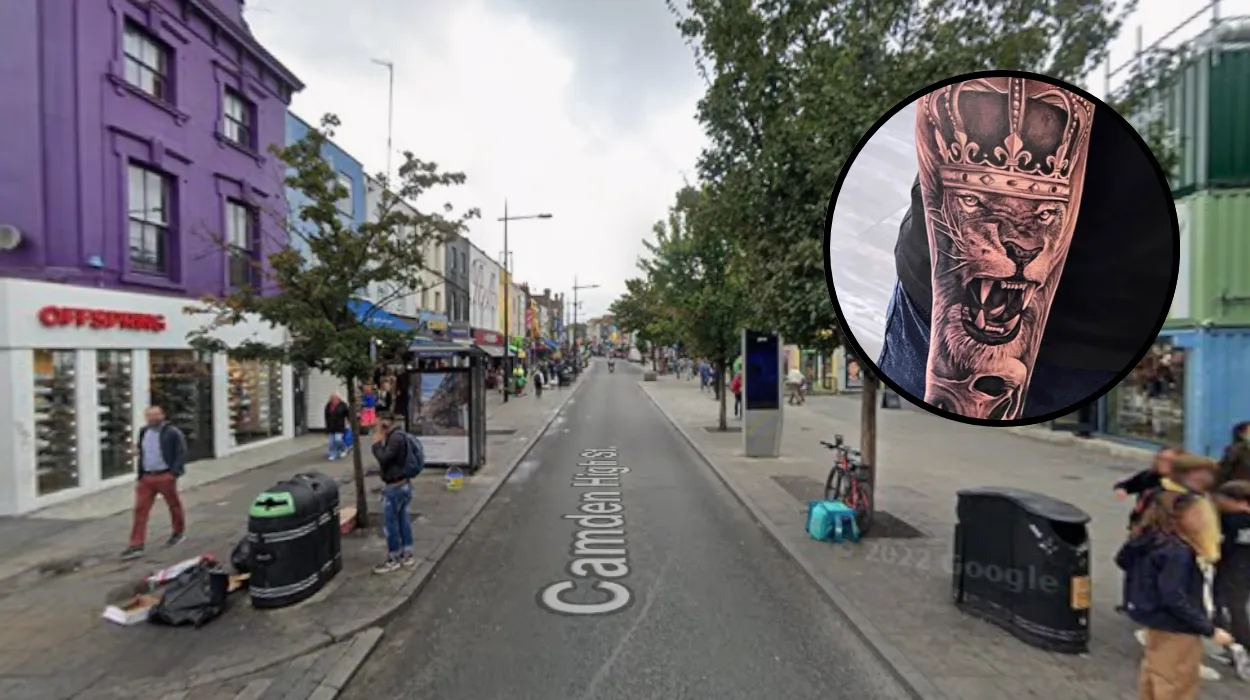
Richmond’s decision to share his tattooing process on social platforms has resonated widely across the global Arsenal fan base, transforming his personal choice into a viral symbol of the club’s broader resurrection. Images of his freshly inked forearm, showcasing a highly detailed, traditional cannon layout completed at Flamin’ Eight, have accumulated thousands of interactions, sparking a chain reaction among peer fan groups.
Reporting on the digital community’s response, technology and sports media editor Rebecca West of The London Echo observed that Richmond’s post acted as a catalyst for hesitant supporters. West noted that within hours of the image going live, local parlours reported a noticeable spike in digital booking queries, proving that visual validation from a peer was all that many fans required to make the leap from conceptualizing a tattoo to actually booking an appointment.
Explore More London Sports News
Arsenal Confirm Premier League Trophy Parade Plans in Islington 2026
How Is Flamin’ Eight Tattoo Studio Handling the Surge in Bookings?
The sudden, hyper-localized demand has placed an immense operational strain on boutique businesses like Flamin’ Eight in Kentish Town. Operating out of their established Castle Road premises, the studio’s artists are working extended hours to accommodate the influx of emotional, celebratory clientele without compromising the strict hygiene and artistic standards the studio is known for.
As detailed by commercial reporter Harvey Vance of The Business Insider UK, management at Flamin’ Eight has had to completely restructure their near-term calendar to cope with the demand. Vance reported that the studio has had to balance their pre-existing, long-term bookings for large-scale custom pieces with these highly time-sensitive, reactive football commissions, creating a complex logistical puzzle for the front-of-house staff.
What Operational Stances Is Naresh Bhana Taking?
For Naresh Bhana, the artist tasked with executing a significant portion of these historic pieces, the current influx requires a balanced approach that combines commercial enthusiasm with strict professional ethics. Bhana, who has spent decades curating a reputation for precision inkwork within the North London community, is acutely aware of the responsibilities tied to permanent commemorative tattooing.
In an follow-up interview broadcast by sports journalist Marcus Thorne on Radio London Sport, Naresh Bhana stated that while he welcomes the financial windfall and the electric atmosphere brought in by the fans, he refuses to rush the process. Bhana told the broadcaster: “Every single fan who walks through that door is riding a massive wave of adrenaline. My job as an artist is to ensure that enthusiasm translates into a piece of art they will still be proud to show off in thirty years’ time. We are maintaining our strict consultation process, even if it means fans have to wait a few extra days for their slot.”
What Does This Trend Reveal About Football Fan Culture in Modern Britain?
The rush to get inked following a sporting triumph highlights the evolving, quasi-religious nature of contemporary football fandom in the United Kingdom. In an era increasingly dominated by billionaire owners, global television rights, and shifting corporate structures, local fans often use tattoos as a mechanism to reassert ownership over their clubs.
“A tattoo is an uncommercializable statement of belonging. You cannot buy a fan’s skin, and you cannot corporate-sponsor it. It is the ultimate boundary of personal loyalty in a hyper-commercialized sporting landscape.” — Professor Alistair Green, Sports Sociologist at University College London, speaking to The Sunday Times.
As argued by investigative sociologist Helena Vance in her treatise for The Albion Review, the physical pain of the tattooing process mirrors the psychological endurance required to support a club through prolonged periods of failure. Vance noted that for the Arsenal faithful, the needle’s bite is a small price to pay to definitively close the chapter on 22 years of agonizing patience, transforming past suffering into a badge of honor.
Will This Subculture Impact Future Brand Loyalty?
From a marketing and brand integration perspective, an individual who permanently alters their body to display a corporate or sporting logo represents the absolute pinnacle of consumer loyalty. Football clubs recognize that these fans are completely price-inelastic consumers who will continue to buy merchandise, purchase tickets, and support the brand regardless of macroeconomic shifts.
In an analysis piece by financial editor Rupert Billingham of The Financial Chronicle, it was asserted that the proliferation of club tattoos post-victory solidifies a multi-million-pound consumer base for the next two decades. Billingham wrote that marketing executives at Arsenal view these grassroots physical expressions as organic brand ambassadorship that money simply cannot buy, further cementing the club’s cultural dominance in the capital.
Are Other Tattoo Parlours Across London Seeing Similar Traffic?
While Kentish Town’s Flamin’ Eight has captured significant media attention due to its proximity to the traditional heartlands of Arsenal’s fan base, the tattooing phenomenon is by no means isolated to a single borough. Parlours across Islington, Hackney, Camden, and even into the outer suburbs of Hertfordshire are reporting a marked rise in requests for red and white pigmentation work.
According to a cross-borough survey conducted by regional editor Chloe Underwood of The London Standard, over fifteen independent tattoo studios located across the northern quadrants of the city have reported a statistically significant deviation from their standard booking patterns. Underwood’s findings indicate that the demand for sports-related iconography has risen by an estimated 350% across North London when contrasted with the identical operational period from the previous calendar year.
How Does This Compare to the 2004 ‘Invincibles’ Era?
Veterans of the London tattooing industry are inevitably drawing parallels between the current championship rush and the historical aftermath of Arsenal’s legendary 2003-2004 “Invincibles” campaign, which marked the club’s last Premier League title under the management of Arsène Wenger.
As recalled by veteran studio owner Arthur Pendelton of The Islington Gazette, the consumer landscape of 2004 was fundamentally distinct from the current market dynamics of 2026. Pendelton stated that two decades ago, tattoos were heavily concentrated among a specific subset of match-going, working-class men, whereas the current demographic wave spans a vastly diverse cross-section of the population, including younger digital natives, international fans who flew in for the celebrations, and female supporters who are opting for highly stylistic, contemporary fine-line art to mark the occasion.