Key Points
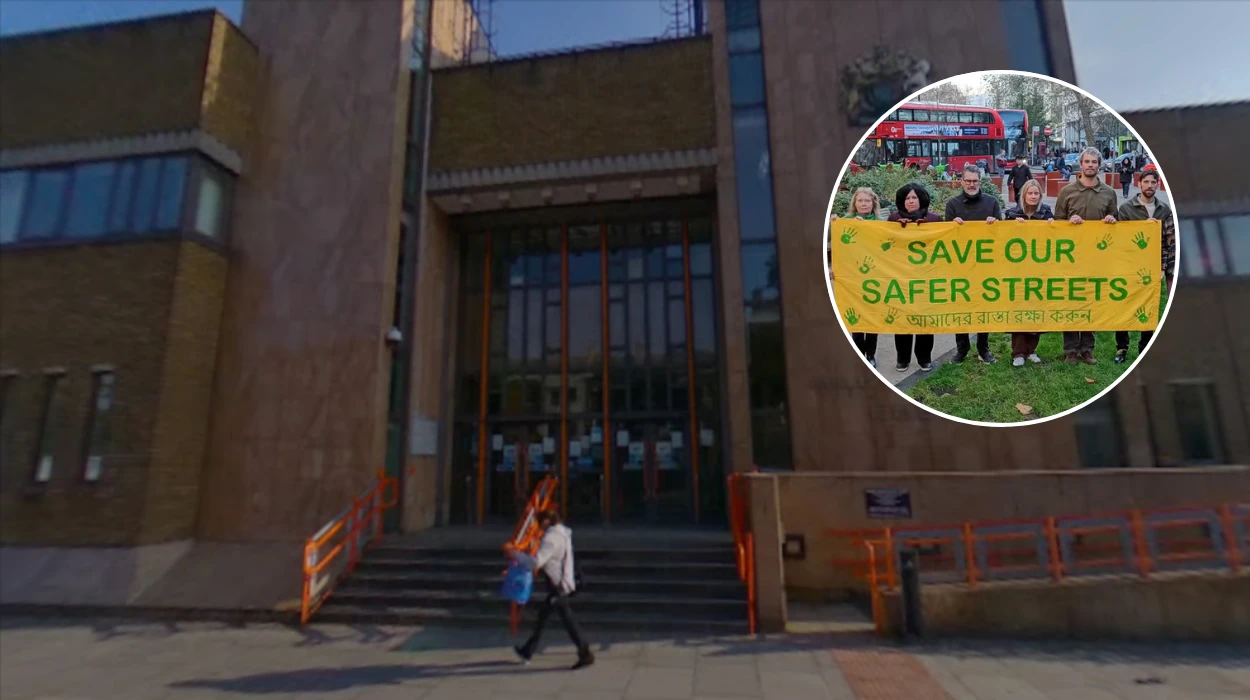
- Save Our Safer Streets, a grassroots group in Tower Hamlets, campaigns to retain Low Traffic Neighbourhoods (LTNs) in Bethnal Green since summer 2022.
- LTNs implemented as part of Local Implementation Plan agreed with Transport for London (TfL) and Mayor of London.
- In September 2023, Tower Hamlets Mayor Lutfur Rahman decided to remove Bethnal Green LTNs despite consultations, petitions, and opposition.
- High Court ruled in favour of council in late 2024; Court of Appeal overturned in January 2026, finding breach of Greater London Authority Act 1999.
- Supreme Court granted permission on 7 May 2026 for Tower Hamlets Council to appeal the Court of Appeal ruling.
- Appeal centres on whether Rahman acted unlawfully by removing LTNs without Mayor of London and TfL approval.
- Group raised nearly £110,000 via CrowdJustice for prior stages; now seeking £25,000 more, with £11,000 left from before.
- Ted Maxwell of Save Our Safer Streets criticises council’s spending of £141,000+ on case amid cost-of-living crisis.
- Maxwell notes majority local support for LTNs in 2019, 2022, 2023 consultations; urges Rahman to work with community.
- Rahman claims “mandate to reopen roads” post-7 May 2026 elections, but Maxwell counters elections do not override legal powers.
- Supreme Court deems case of general public importance; TfL roles to be discussed.
Tower Hamlets (Extra London News) May 11, 2026 – Bethnal Green residents under the Save Our Safer Streets banner are rallying once more as the Supreme Court prepares to hear Tower Hamlets Council’s appeal against a Court of Appeal ruling that declared the council’s decision to scrap popular Low Traffic Neighbourhoods (LTNs) unlawful. On 7 May 2026, the Supreme Court granted permission for the appeal, escalating a four-year battle over schemes credited with safer, healthier streets. The group, which raised nearly £110,000 previously, now seeks £25,000 via crowdfunding to cover legal costs, underscoring community resolve against what they term reckless public spending by Mayor Lutfur Rahman.
- Key Points
- What Sparked the Campaign to Save Bethnal Green LTNs?
- Why Did the Supreme Court Grant Permission to Appeal?
- How Has the Legal Battle Unfolded So Far?
- What Are the Financial Stakes in This Supreme Court Fight?
- Who Supports Retaining the LTNs and Why?
- Does Lutfur Rahman Have a Mandate to Remove the LTNs?
- What Role Does Transport for London Play?
- Will Save Our Safer Streets Prevail in the Supreme Court?
What Sparked the Campaign to Save Bethnal Green LTNs?
The fight traces back to summer 2022, when Bethnal Green residents formed Save Our Safer Streets to lobby Mayor Lutfur Rahman and Tower Hamlets Council to preserve and enhance LTNs rather than dismantle them at great expense.
As detailed in the group’s campaign narrative on their CrowdJustice page, the LTNs – featuring protected bike lanes, widened pavements, community seating, and greenery – stemmed from a Local Implementation Plan agreed with Transport for London (TfL) and the Mayor of London.
Despite
“overwhelming technical evidence and weight of opinion”
from consultations, petitions, letters, and meetings, Rahman announced their removal in September 2023. Residents turned to the courts, arguing the decision breached legal protocols.
In late 2024, the High Court sided with the council. However, the Court of Appeal reversed this in January 2026, ruling Rahman exceeded his powers under the Greater London Authority Act 1999 by altering a TfL-agreed scheme without the Mayor of London’s approval. The judgment emphasised that councils must secure a revised plan’s endorsement before removal.
Ted Maxwell, a key figure in Save Our Safer Streets, reflected on the timeline in the group’s 11 May 2026 crowdfunding update:
“We’re extremely disappointed that the Supreme Court has agreed to a hearing on the council’s appeal against the Court of Appeal judgment from January 2026.”
Why Did the Supreme Court Grant Permission to Appeal?
The Supreme Court’s decision on 7 May 2026 marks a pivotal turn, allowing Tower Hamlets Council to challenge the Court of Appeal’s finding of unlawfulness.
The core issue: Did Mayor Rahman and the council act beyond their authority by scrapping the LTNs without TfL and Mayor of London consent?
As outlined in Save Our Safer Streets’ statement, the Supreme Court views this as “a case of general public importance.” Maxwell elaborated:
“This decision to hear the appeal is not an indication that the council’s case is any stronger than it was when we appeared at the Court of Appeal and resoundingly won before three senior judges.”
He affirmed the Court of Appeal’s clarity:
“The Court of Appeal ruling was clear and made total sense. It said that, if a London council wants to remove a scheme that was implemented and funded as part of a Local Implementation Plan agreed with Transport for London, then the Mayor of London needs to approve a revised Plan before it is removed. The process for doing this is in the Greater London Authority Act 1999.”
The group maintains Rahman “acted beyond his legal powers” and anticipates Supreme Court alignment.
How Has the Legal Battle Unfolded So Far?
- High Court (late 2024): Ruled in council’s favour.
- Court of Appeal (January 2026): Overturned, citing Greater London Authority Act breach.
- Supreme Court (7 May 2026): Permission granted; hearing pending.
Funding has been grassroots-driven, with £110,000 raised cumulatively via CrowdJustice for prior stages.
What Are the Financial Stakes in This Supreme Court Fight?
Save Our Safer Streets now targets £25,000 to fund solicitor and barrister fees through the hearing’s conclusion.
Their legal team advises £11,000 remains from prior funds, earmarked mainly for potential Tower Hamlets legal costs if they lose. The total
“may be affected by the exact division of responsibility between us and TfL,”
per the 11 May update.
Criticism mounts over council expenditure. Maxwell stated:
“Lutfur Rahman has already spent £141,000 of public money on this case and is prepared to waste well over £100,000 more of public funds to fight for the right to rip out protected bike lanes, widened pavements, community seating and much-needed greenery in a densely-populated, mixed neighbourhood in Tower Hamlets.”
He highlighted priorities amid crisis:
“At a time of a cost of living crisis and huge deprivation for many residents, this is reckless and cruel. This money could be better spent on running essential council services like housing, schools and care for older people that thousands of Tower Hamlets residents desperately need.”
Who Supports Retaining the LTNs and Why?
Local backing remains robust. Maxwell cited
“the clear majority of local residents who support the LTNs (as seen in consultations in 2019, 2022 and 2023).”
The group has shunned litigation, pursuing “constructive engagement” since 2022 via consultations, petitions, letters, and site visits.
Yet, Maxwell accused the council of dismissal:
“Rather than working with the community to address any concerns, since 2022 the council has ignored residents’ descriptions of the reality of these schemes, including petitions, letters, consultation results and invitations to visit the area and talk to local residents, schools and businesses.”
He added:
“At Save Our Safer Streets, we have never wanted to take the legal route and since the summer of 2022 have done everything in our power to engage constructively with the council including during the two consultation processes. However, at all stages, Lutfur Rahman’s administration has ignored opportunities to get to the bottom of issues and resolve genuine problems, while also making many untrue statements about how the schemes are working.”
The LTNs are hailed for fostering
“safer and healthier streets for residents of all ages.”
Does Lutfur Rahman Have a Mandate to Remove the LTNs?
Rahman invokes a “mandate to ‘reopen the roads’” post-elections. However, Maxwell countered in the campaign update:
“A significant majority of voters at the borough and ward level in the 7 May 2026 elections voted for people and parties who support retaining the LTNs in Bethnal Green. Also, elections give decision-makers mandates to pursue policies, not to act beyond their legal powers.”
The group urges reconciliation:
“Even at this late stage, we urge Rahman to reconsider what he is doing and find a way of working with the community who have repeatedly said they like these schemes and want Tower Hamlets to have more of these safer and healthier streets.”
No direct statements from Rahman appear in Save Our Safer Streets’ materials, but the council’s legal pursuit implies resolve.
What Role Does Transport for London Play?
TfL’s involvement looms large, given the LTNs’ origins in a jointly agreed plan. Maxwell noted:
“We continue to believe that the Mayor of Tower Hamlets acted beyond his legal powers in deciding to remove the Bethnal Green LTNs without Mayor of London approval.”
The Supreme Court hearing will scrutinise this. Save Our Safer Streets plans discussions on “ongoing roles with Transport for London in due course,” potentially sharing costs.
Will Save Our Safer Streets Prevail in the Supreme Court?
Confidence persists. Maxwell declared: “We are determined to keep fighting. Having already raised over £110,000 to fight the case with the support of thousands of ordinary people, we are confident we have the support to continue as we take this case to the highest court in the land.”
The group frames the LTNs as “much-loved and successful schemes that have made Bethnal Green streets safer and healthier,” positioning the appeal as a public interest defence against overreach.