Key Points
- Thousands of protesters marched through the streets of Central London on 18 April 2026 as part of the National Housing Demonstration organised by the Homes for Us alliance.
- The demonstration demanded rent controls to prevent landlords from raising rents beyond affordability, a freeze on service charges in social housing which have doubled in some cases, and more council homes instead of luxury flats for developer profit.
- Over 40 organisations participated, including Food & Solidarity, Shelter UK, and others, uniting private renters, social housing tenants, those in temporary accommodation, workers, disabled people, people of colour, and migrants.
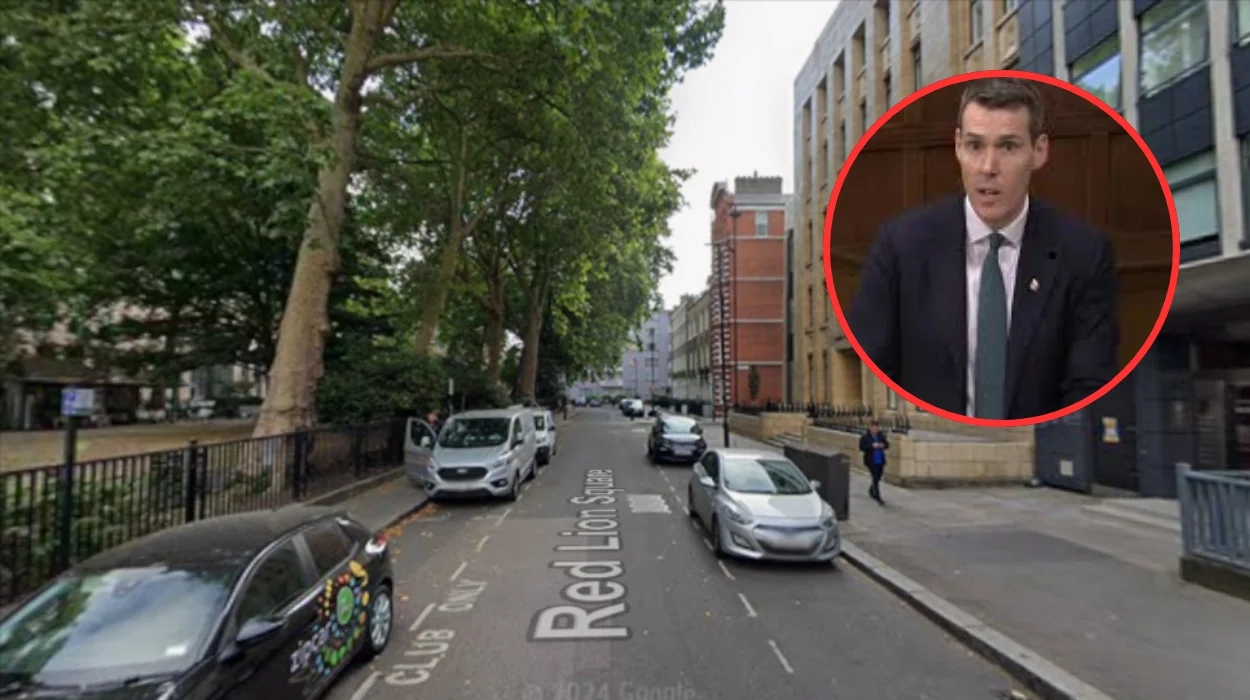
- The march started at 1pm from a central London location (TBD at planning stage), targeting Housing Minister Matthew Pennycook to act on unregulated service charges and unchecked rent hikes.
- Protesters highlighted how unaffordable housing is “destroying our lives,” calling for housing as a right, not a commodity.
- The event was promoted across platforms like Action Network, Counterfire, and housingdemo.org, with calls to book coach places.
- Licensable images from Reuters Connect captured protesters marching to draw attention to the crisis.
London (Extra London News) April 18, 2026 – Thousands took to the streets of Central London today in a massive National Housing Demonstration, protesting the escalating housing crisis that has left countless Britons struggling with soaring rents, unregulated service charges, and a dearth of affordable council homes. Organised by the Homes for Us alliance, the march demanded immediate action from Housing Minister Matthew Pennycook, spotlighting how private renters, social housing tenants, and those in temporary accommodation are bearing the brunt of a broken system.
- Key Points
- What Sparked the National Housing Demonstration?
- Who Organised the March and What Were the Key Demands?
- Why Is the Housing Crisis So Acute in London?
- How Did the March Unfold on 18 April 2026?
- What Do Critics and Supporters Say About the Demands?
- What Is the Broader Context of the UK’s Housing Crisis?
- Will the March Lead to Policy Changes?
- Government Response to the Demonstration?
- Impact on Londoners and National Policy?
What Sparked the National Housing Demonstration?
The National Housing Demonstration on 18 April 2026 was no spontaneous outburst but a meticulously planned response to years of policy inaction. As detailed on the official event site housingdemo.org, the rally called for unity against “unaffordable housing… destroying our lives,” urging participants to “fight for rent controls and more, better council housing”.
Planning began months earlier, with announcements from groups like Food & Solidarity on 8 March 2026. Their coverage stated:
“On 18 April, thousands of people from more than 40 organisations will be marching to demand rent controls, a freeze on service charges, and council homes not luxury flats”.
The group emphasised inclusivity, inviting
“private renters, social housing tenants, people locked out of renting entirely… workers, Disabled people, people of colour and migrants and everyone who believes housing should be a right, not a commodity”.
Action Network listed the event starting at 1:00 PM in Central London (TBD), mobilising attendees via an online platform. Similarly, Counterfire promoted it as a 12:00 PM gathering in Central London, reiterating: “Unaffordable housing is destroying our lives”.
Who Organised the March and What Were the Key Demands?
The Homes for Us alliance spearheaded the event, with Food & Solidarity explicitly stating their involvement: “Food & Solidarity will be there… book your coach place at housingdemo.org”. Shelter UK, a prominent housing charity, amplified the call on social media:
“A national call for council housing is coming. We’ll be there on 18 April in Central London. Will you?”.
The demands were laser-focused and targeted. According to Food & Solidarity, they included:
“(1) rent controls specifically demanding Housing Minister Matthew Pennycook act to stop rents rising beyond what people can afford; (2) a freeze on service charges in social housing, which are currently unregulated and have doubled in some buildings within three years; and (3) council homes built to meet housing need, not luxury flats built for developer profit”.
The alliance held Pennycook directly accountable: “Nationally: Housing Minister Matthew Pennycook has the power to act… He has not acted on either”. The official housingdemo.org echoed this: “Rent controls now – Council housing now”.
Why Is the Housing Crisis So Acute in London?
London’s housing woes have reached a breaking point, as underscored by multiple sources. London Forum reported on 13 March 2026: “There is to be a demonstration on Saturday 18th April about the crisis of lack of social housing and of secure affordable private rented accommodation, making it almost impossible now for most people in London to get any decent housing”. They framed it as a “basic necessity of modern life” requiring public infrastructure.
Food & Solidarity detailed the human cost: service charges “rising faster than rents in many buildings, hitting social housing tenants hardest”. The march aimed to force Pennycook to address “the cost of continued inaction”.
Reuters Connect provided visual evidence with a licensable picture captioned: “LONDON, UNITED KINGDOM – APRIL 18: Protesters march through the streets of London as part of a National Housing Demonstration to draw attention to the…” This imagery captured the scale, with marchers filling streets to protest systemic failures.
How Did the March Unfold on 18 April 2026?
The demonstration kicked off around 1 pm in Central London, weaving through key streets as protesters chanted for reform. While exact routes were TBD pre-event, promotions indicated a high-visibility path to maximise pressure on policymakers. Counterfire noted a 12:00 PM start, aligning with assembly times.
Participants from over 40 organisations converged, creating a diverse coalition. Food & Solidarity described the atmosphere: “Another housing system is possible but only if we stand together and fight for it”. Shelter UK’s endorsement signalled broad support.
No reports of clashes emerged, but the event’s energy was palpable, with Reuters imagery showing orderly yet determined marchers.
What Do Critics and Supporters Say About the Demands?
Supporters like Food & Solidarity argued for specificity: “Our demands are specific. Our targets are named”. London Forum positioned housing as “basic public infrastructure”, while housingdemo.org urged: “This can’t go on. Let’s unite”.
Critics were not directly quoted in coverage, but the march implicitly challenged government inaction under Pennycook. The Homes for Us alliance framed it as a collective stand: “Say no more”.
What Is the Broader Context of the UK’s Housing Crisis?
Britain’s housing emergency predates 2026, exacerbated by deregulation. Service charges have “doubled in some buildings within three years,” per Food & Solidarity. Rents outpace wages, locking out young people and families.
The 18 April march fits a pattern of activism, from prior demos to online campaigns. Shelter UK’s involvement highlights charity frustration. London Forum called it a crisis, making “decent housing” elusive.
Will the March Lead to Policy Changes?
As Food & Solidarity put it: “On 18 April we are going to London to make sure he knows the cost of continuing inaction”. Targeting Pennycook directly, organisers hope to spur rent controls and charge freezes.
Past protests have influenced discourse, but tangible reform remains elusive. housingdemo.org’s call to “join us in the streets” signals sustained pressure.
Government Response to the Demonstration?
No immediate official response from Housing Minister Matthew Pennycook or the government was reported in available coverage as of 18 April 2026. Sources focused on protester demands, noting his “power to act” without mention of rebuttals.
Impact on Londoners and National Policy?
The march amplified voices of those “locked out of renting entirely,” per Food & Solidarity. By drawing thousands, it spotlighted how the crisis affects diverse groups, potentially swaying public opinion.
Reuters’s coverage ensures global visibility. Long-term, it pressures for council homes over luxury developments.