Key Points
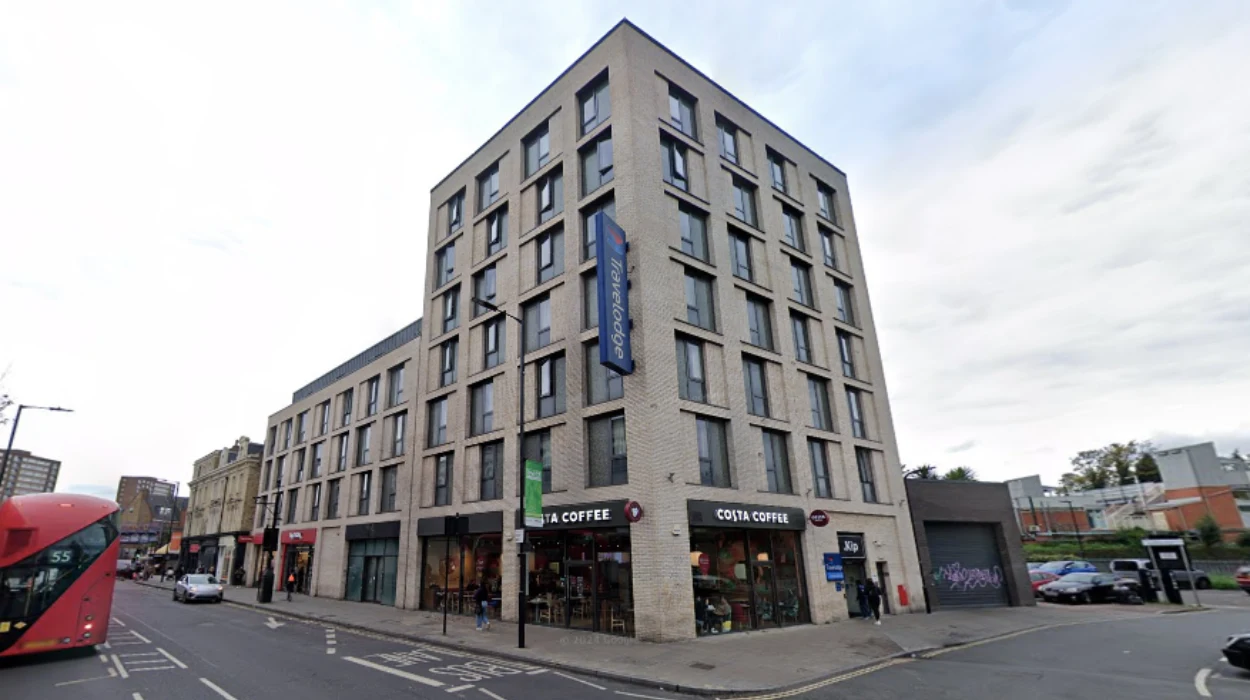
- Incident Overview: A major fire broke out at the Travelodge hotel on Amhurst Road near Hackney Central station on Sunday afternoon, requiring an emergency response from 70 firefighters and ten fire engines.
- Evacuation and Injuries: Sixteen individuals were safely evacuated from the premises and transferred to a local authority rest centre. Miraculously, no injuries or casualties were reported.
- Damage Assessment: The fire compromised two separate rooms located on the fifth and sixth floors of the hotel structure.
- Public Safety Warnings: Dense smoke rising from the building prompted local authorities to urge nearby residents to close all windows and doors, while significant traffic disruption occurred across Amhurst Road and neighboring streets.
- Determined Cause: The London Fire Brigade (LFB) has treated the blaze as accidental, identifying the unsafe use of incense sticks as the primary source of ignition.
- Response Timeline: The emergency services received 16 distinct calls starting at 4:52 pm. Fire crews brought the flames completely under control by 6:20 pm using specialized equipment, including a 32-metre turntable ladder.
Hackney (Extra London News) June 29, 2026 – A severe building fire broke out yesterday afternoon at the Travelodge hotel on Amhurst Road in Hackney Central, drawing a massive emergency response of approximately 70 firefighters and ten fire engines to the scene. The incident, which triggered 16 frantic emergency calls to the London Fire Brigade starting late Sunday afternoon, severely damaged rooms across multiple upper storeys of the commercial accommodation. Emergency responders successfully evacuated 16 occupants from the smoke-filled building, ensuring that no injuries or civilian casualties were recorded during the chaotic operation. Local municipal teams quickly mobilized to establish a temporary rest centre to provide emergency care for the displaced individuals while firefighting operations forced closures and extensive traffic backups along Amhurst Road and its surrounding traffic corridors.
- Key Points
- What Happened at the Hackney Central Travelodge?
- How Many People Were Evacuated During the Amhurst Road Fire?
- Where Exactly Did the Fire Break Out Inside the Hotel?
- What Public Safety Warnings Were Issued to Hackney Residents?
- What Was the Official Cause of the Travelodge Fire?
- Which Fire Stations Responded to the Emergency Call?
Following a comprehensive preliminary investigation by emergency personnel, investigators have confirmed that the destructive incident is being treated as entirely accidental. The structural ignition is officially believed to have been directly caused by the unsafe and unattended use of aromatic incense sticks within a guest room. To effectively combat the upper-level flames and establish a reliable visual vantage point over the unfolding emergency, responding teams deployed specialized high-reach assets, including a 32-metre turntable ladder dispatched from Tottenham station. The combined efforts of multiple local crews successfully contained and extinguished the interior fire within a period of less than two hours from the initial emergency broadcast.
What Happened at the Hackney Central Travelodge?
The quiet of Sunday afternoon in East London was abruptly shattered when emergency services were notified of an active fire advancing within the multi-storey Travelodge hotel complex positioned prominently on Amhurst Road, located within immediate proximity to the busy Hackney Central overground station. As documented in an editorial report published by the news team at the Hackney Citizen, the London Fire Brigade was suddenly forced to deploy significant resources to the scene as flames began consuming interior spaces high up within the commercial lodging structure.
The immediate vicinity was quickly overwhelmed by emergency vehicles, with ten fire engines arriving in rapid succession to establish a command perimeter on Amhurst Road. The presence of seventy fire service professionals underscored the potential severity of a high-rise hospitality fire, where rapid internal spread and a high volume of unfamiliar guests present significant logistical hurdles for search, rescue, and suppression activities.
How Many People Were Evacuated During the Amhurst Road Fire?
During the tense opening stages of the emergency operation, local authorities prioritized the immediate preservation of life by sweeping the hotel rooms to clear out remaining occupants. According to official findings published by the Hackney Citizen staff, a total of 16 people were safely guided out of the burning hotel structure by emergency teams and hotel staff as smoke began spreading through the upper corridors.
Following their sudden and distressing removal from their accommodation, those who were evacuated were immediately escorted away from the hazardous active fire zone. The Hackney Citizen report verified that the displaced individuals were systematically taken to a temporary municipal rest centre. Once at the site, they were left directly in the supportive care of the local borough authority to ensure their basic needs, shelter requirements, and general well-being were managed following the afternoon’s disruptive events.
Where Exactly Did the Fire Break Out Inside the Hotel?
The physical path of the fire was concentrated within the upper levels of the multi-storey hotel infrastructure, compounding the difficulty of the initial fire suppression strategy. As outlined by the reporting team at the Hackney Citizen, the specific point of origin and subsequent fire damage was localized within two separate guest rooms situated respectively on the fifth and sixth floors of the Amhurst Road Travelodge.
Operating at such heights requires strict coordination, as internal stairwells must be preserved for evacuation and internal hose lines, while external architectural faces are monitored for signs of structural failure or external vertical fire spread. The containment of the structural damage to just two rooms on those upper storeys indicates that the arriving fire crews were successful in executing an aggressive internal attack to halt the fire’s lateral progression into adjoining guest blocks.
What Public Safety Warnings Were Issued to Hackney Residents?
As the fire consumed the contents of the upper rooms, thick, dark smoke began billowing out of the windows of the fifth and sixth floors, drifting across the densely populated urban landscape of Hackney Central. This environmental hazard prompted immediate defensive advisories from emergency coordinators on the ground. The Hackney Citizen documented that residents living throughout the surrounding neighbourhood were strongly urged by officials to keep all of their residential windows and external doors firmly shut to prevent toxic smoke inhalation and localized property damage.
Beyond the immediate air quality dangers, the sheer volume of emergency apparatus required to safely mitigate the incident brought local transport links to a virtual standstill. The London Fire Brigade explicitly warned the public that the ongoing incident would cause severe disruption to vehicular traffic along Amhurst Road and throughout the interconnected network of surrounding residential and commercial streets while active crews carried out their vital operations.
Explore more Hackney News:
Sadiq Khan Sued by Hackney Over Slashed Housing Targets: London 2026
More Than 20 Schools Close Due to Heatwave: Hackney 2026
What Was the Official Cause of the Travelodge Fire?
Following the successful suppression of the flames, fire investigation units shifted their focus toward determining the exact mechanics of the ignition. The incident is currently being treated as entirely accidental, effectively ruling out any suspicion of arson or deliberate endangerment. As officially stated in the coverage provided by the Hackney Citizen, the blaze is firmly believed to have been caused by the unsafe and improper use of incense sticks within one of the affected rooms.
The open ember of an incense stick can easily go unnoticed, smouldering quietly before transferring sufficient thermal energy to nearby combustible materials such as bedding, curtains, or loose papers.
“Make sure you place incense sticks in a suitable, fire-resistant holder and keep them away from curtains and anything else that can easily catch fire,” a spokesperson representing the London Fire Brigade warned during an official safety briefing. “Remember to put them out entirely when you leave the room and especially before bed.”
Furthermore, the London Fire Brigade spokesperson emphasized that common items such as incense sticks, candles, and traditional oil burners remain categorized among the absolute most frequent catalysts for accidental fires within domestic and temporary residential settings, reiterating that these items must never, under any circumstances, be left burning unattended.
Which Fire Stations Responded to the Emergency Call?
The logistical coordination of the London Fire Brigade was demonstrated by the rapid, phased mobilization of asset pools from numerous municipal fire stations distributed across North and East London. The emergency sequence began abruptly when the brigade’s central dispatch logged the first of 16 emergency calls from alert citizens at exactly 4:52 pm.
According to the operational logs reported by the Hackney Citizen, the brigade responded by immediately mobilizing extensive assets and specialized crews from several nearby stations, including:
- Homerton Fire Station
- Bethnal Green Fire Station
- Shoreditch Fire Station
- Islington Fire Station
- Various surrounding auxiliary stations
In addition to the standard pumping appliances sent to Amhurst Road, commanders recognized the need for specialized high-reach capability given the height of the fifth and sixth floors. To satisfy this tactical requirement, a 32-metre turntable ladder stationed at Tottenham was urgently routed to the scene, where it was successfully deployed by operators to function as an elevated observation tower and an external firefighting platform.
Through the synchronized deployment of these resources, the London Fire Brigade made rapid progress against the upper-floor blaze. The Hackney Citizen confirmed that the overall incident was brought fully under control by 6:20 pm, approximately one hour and twenty-eight minutes after the initial emergency call was processed, allowing crews to transition into secondary damping-down operations to eliminate remaining hot spots within the structural voids of the building.