Key Points
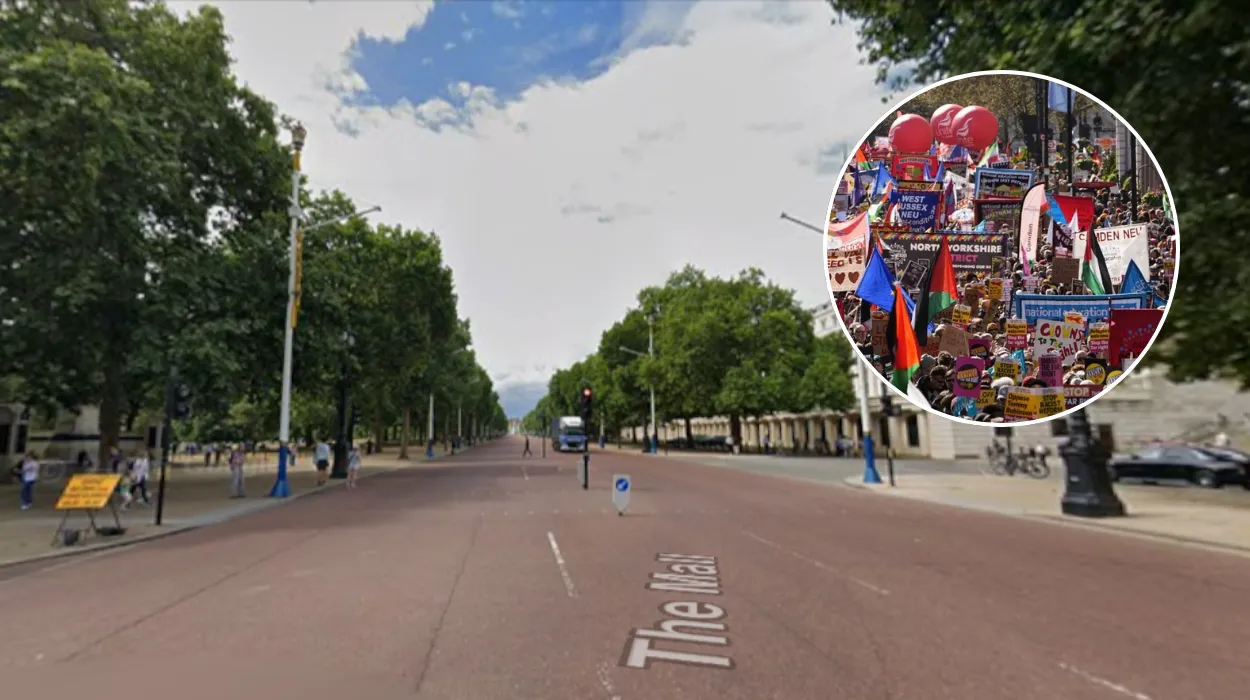
- Thousands of people marched through central London in a mass demonstration against far-right politics.
- Organisers from the Together Alliance said the event was the largest anti-far-right march in British history and claimed attendance of about half a million.
- The Metropolitan Police put the crowd size much lower, at around 50,000, while saying it was difficult to count accurately because the march was spread out.
- The march was backed by around 500 organisations, including unions, anti-racism groups and Muslim community representatives.
- The route ran from Park Lane to Whitehall, with speeches in Whitehall and a music event in Trafalgar Square.
- The demonstration was framed by organisers as a stand against the “politics of division” and hatred.
- Some protesters carried placards with messages including “No to racism, no to Trump” and “Refugees welcome.”
London (Extra London News) April 17, 2026
- Key Points
- Who joined the march against the far right in London?
- What did organisers say about the turnout?
- What did police say about crowd numbers?
- Why did the march take place?
- Which political figures were mentioned?
- How was the event reported by different outlets?
- What is the background to this development?
- What could be the likely impact?
Who joined the march against the far right in London?
London, Al Jazeera, 28 March 2026 – Tens of thousands of people marched through central London on Saturday in a major demonstration against far-right politics, with organisers of the Together Alliance saying the turnout reached half a million and police giving a much lower estimate.
As reported by Al Jazeera’s Milena Veselinovic, the event brought together a wide range of participants in central London, where organisers said the rally was the largest anti-far-right march in British history. The march was supported by about 500 organisations, including labour unions, anti-racism advocates and representatives from Muslim communities. The gathering began near Whitehall and the Houses of Parliament, with people arriving from across the country.
What did organisers say about the turnout?
According to the Together Alliance, the demonstration was unprecedented in scale, with organisers claiming attendance of around 500,000 people. Kevin Courtney, chair of the alliance, told the crowd that the march “provides us all the assurance to continue moving forward.” The group described the mobilisation as a response to what it sees as growing far-right influence in Britain.
The BBC reported that the protest was organised by the Together Alliance and that supporters included figures such as Sir Lenny Henry and Paloma Faith. The broadcaster also said singer Billy Bragg was expected to join the event, while Leigh-Anne Pinnock was due to perform at a musical gathering in Trafalgar Square. Sky News said the march included speeches in Whitehall and a music event in Trafalgar Square.
What did police say about crowd numbers?
The Metropolitan Police estimated the crowd at around 50,000, far below the organisers’ figure. Police also said that accurately counting the crowd was difficult because the event was spread across a wide area. That difference in estimates became one of the main points of difference between the authorities and organisers.
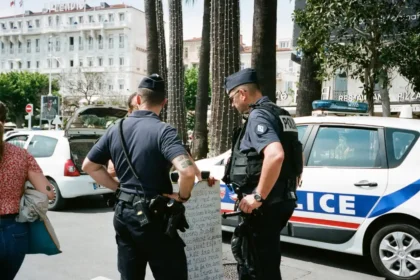
BBC News reported that the march began around 13:00 GMT and that participants carried signs with messages including “combat ignorance, not immigrants” and “dismiss racist falsehoods.” Other footage and coverage showed banners reading “No to racism, no to Trump” and “Refugees welcome.” The heavy police presence was visible as officers lined the streets during the march.
Why did the march take place?
The Together Alliance framed the demonstration as opposition to what it called the “politics of division.” Al Jazeera said participants were resisting what they saw as “the politics of hatred and division” in the UK. The BBC reported that organisers argued Britain was seeing an “unprecedented rise” in support for far-right groups.
Sabby Dhalu, joint secretary of the Together Alliance, said the Unite the Kingdom rally led by Tommy Robinson last year was the “largest far-right mobilization in British history.” She said the majority of people in Britain oppose “hatred, division and racism” promoted by such groups and that it was time to act. Organisers presented Saturday’s march as a direct answer to that political climate.
Which political figures were mentioned?
The Al Jazeera report quoted Kevin Courtney as saying the march was meant to push back against figures such as Reform leader Nigel Farage and Tommy Robinson. He said Reform should be “defeated at the polls” and Robinson “confronted on the streets.” That message reflected the political tone of the demonstration, which organisers presented as both an anti-racist and anti-far-right mobilisation.
Sky News said the event also featured a video message from London Mayor Sir Sadiq Khan. The BBC said notable supporters included Sir Lenny Henry and Paloma Faith, while other performers and speakers were expected to appear across the wider programme. Coverage from the Daily Record said protesters carried placards with anti-racist messages during the march.
How was the event reported by different outlets?
Different outlets presented the same event with similar core facts but different emphasis. Al Jazeera focused on the organisers’ claim that the march was the largest anti-far-right demonstration in British history. The BBC highlighted the attendance dispute, the presence of public figures and the wider political context of last year’s Unite the Kingdom rally.
Jang, citing the Together Alliance, said the protest brought central London to a standstill and repeated the organisers’ half-million estimate. Sky News described the event as a stand against the “politics of division” and noted the mix of march, speeches and music. Across the reports, the central theme remained the same: a large anti-far-right mobilisation with sharply disputed crowd figures.
What is the background to this development?
The march came after last year’s Unite the Kingdom rally, led by Tommy Robinson, which the BBC said drew over 100,000 participants and was marred by violent incidents. Organisers of the anti-far-right protest explicitly linked Saturday’s turnout to that earlier rally and to what they see as a wider rise in far-right activism.
The Together Alliance is a coalition of more than 100 charities and unions, and the BBC and Al Jazeera both described it as bringing together anti-racism campaigners and community groups. The scale of Saturday’s mobilisation, whether measured by organisers or police, reflects how polarised the debate has become around immigration, race and political identity in Britain.
What could be the likely impact?
For anti-racism campaigners and community groups, the march may strengthen the message that there is a visible and organised public response to far-right politics. For political parties and public officials, it may increase pressure to address concerns about division, immigration rhetoric and street-level mobilisation.
For the wider audience in the UK, the event could shape public debate by keeping far-right politics and counter-protests in the news cycle. It may also encourage more organised demonstrations, speeches and coalition-building if campaign groups believe large-scale mobilisation can influence politics.