Key Points
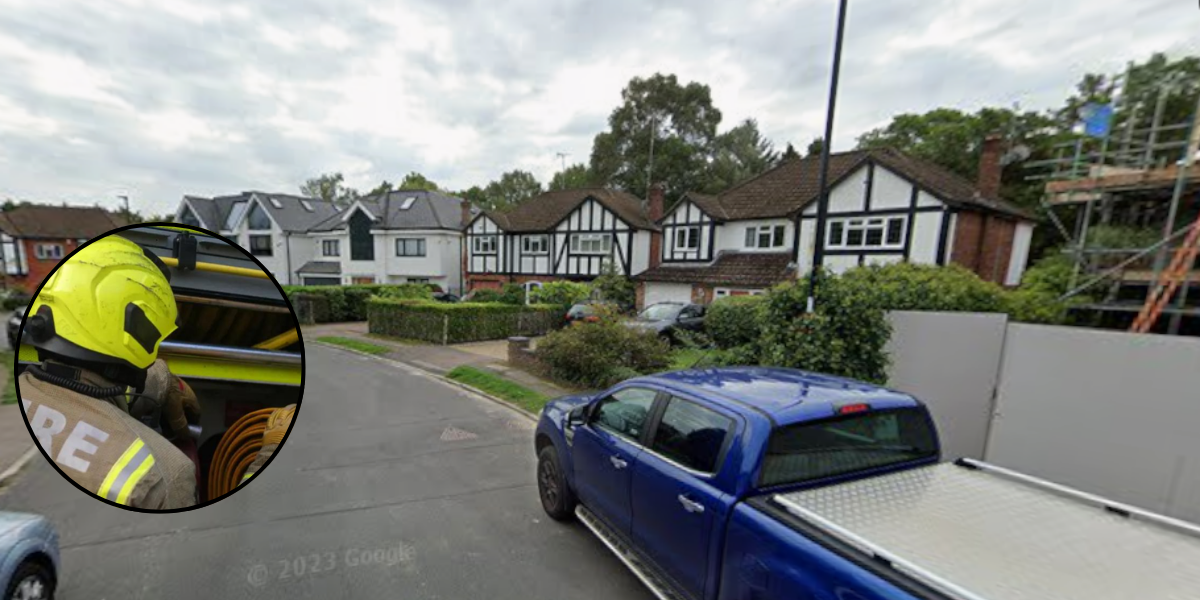
- A large fire broke out at an industrial unit on Newyears Green Lane in Harefield shortly after 3am on September 29.
- A lithium-ion battery was involved in the incident, according to the supplied report, and around 15 tonnes of mixed waste were ignited.
- Six fire engines and about 40 firefighters attended the incident, with crews coming from Ruislip, Hillingdon, Harrow, Northolt and other nearby stations.
- The fire was brought under control by 6.10am.
- No injuries were reported.
- The London Fire Brigade said the fire was believed to have been accidental.
- The brigade warned that lithium-ion batteries and electrical items containing hidden batteries should not be placed in ordinary rubbish or recycling bins.
- Firefighters said damaged or crushed lithium-ion batteries can catch fire or explode, while fires involving such batteries can spread rapidly.
- The London Fire Brigade also highlighted the demands these incidents place on emergency resources and their potential environmental and societal effects on local communities.
Extra London News (ELN) September 29, 2026 – A large industrial fire on Newyears Green Lane involved a lithium-ion battery and ignited around 15 tonnes of mixed waste shortly after 3am, with six fire engines and about 40 firefighters attending before the blaze was brought under control at 6.10am. No injuries were reported, while the London Fire Brigade said the incident was believed to have been accidental and used the fire to renew its warning about the disposal of lithium-ion batteries and electrical items containing them.
- Key Points
- What happened in the Harefield industrial fire?
- How did the London Fire Brigade respond to the lithium-ion battery fire?
- Why did the London Fire Brigade issue a warning about lithium-ion batteries?
- What did the London Fire Brigade say about damaged batteries?
- Why are lithium-ion battery fires a concern at recycling and waste sites?
- What advice has been given to people disposing of lithium-ion batteries?
- How significant was the emergency response?
- Were there any injuries in the Harefield fire?
- What does the incident show about lithium-ion batteries in waste?
- What is known about the cause of the Harefield fire?
- What did the fire brigade say about the wider impact of these fires?
- Background: why are lithium-ion batteries a recurring fire-safety issue?
- Prediction: how could this development affect residents and waste users in the area?
What happened in the Harefield industrial fire?
The fire broke out at an industrial facility on Newyears Green Lane in Harefield during the early hours of September 29. According to the supplied report, the incident began around 3am and involved a lithium-ion battery.
The battery was involved in a blaze that subsequently ignited approximately 15 tonnes of mixed waste at the site. The scale of the waste involved meant that firefighters had to deploy a substantial response, with six fire engines and around 40 firefighters attending.
Crews were sent from Ruislip, Hillingdon, Harrow, Northolt and other nearby fire stations.
The incident was brought under control at 6.10am, according to the report. No injuries were reported in connection with the fire.
The supplied report states that the fire was believed to have been accidental. It does not identify an individual or organisation as being responsible for deliberately starting the fire.
How did the London Fire Brigade respond to the lithium-ion battery fire?
The London Fire Brigade responded with six fire engines and approximately 40 firefighters.
The response involved crews from several stations in and around the area, including Ruislip, Hillingdon, Harrow and Northolt.
The fire was eventually brought under control at 6.10am. The supplied account does not report any injuries among firefighters, workers or members of the public.
The response illustrates the resources that can be required when a fire takes hold within a waste or industrial setting. The London Fire Brigade has specifically warned that fires involving lithium-ion batteries can be difficult and resource-intensive for emergency crews.
Why did the London Fire Brigade issue a warning about lithium-ion batteries?
A London Fire Brigade spokesperson said lithium-ion batteries and electrical products containing hidden lithium-ion batteries should not be placed in the same bins as ordinary rubbish or recycling.
The brigade advised people to check with the retailer from which a product was purchased or consult their local authority’s website to find the appropriate disposal method for lithium-ion batteries in their area.
The warning is particularly relevant to products in which a battery may not immediately be visible. Electrical equipment can contain lithium-ion batteries even where the battery itself is not obvious to someone disposing of the item.
The brigade’s message was that proper disposal can help reduce the risk of fires occurring.
What did the London Fire Brigade say about damaged batteries?
The London Fire Brigade spokesperson also addressed the condition and quality of lithium-ion batteries.
According to the supplied report, the spokesperson said products made with poor-quality construction can represent a higher fire risk, but stressed that any lithium-ion battery can be at risk of exploding and catching fire if it is crushed or damaged.
The warning therefore extends beyond poorly manufactured products. Physical damage to a battery can also create a fire risk.
This is significant in waste-handling environments because batteries can be subjected to pressure, crushing or other physical damage after being discarded. When an electrical item containing a battery is placed into a waste stream, the battery may consequently become damaged during collection, sorting or processing.
The brigade said lithium-ion battery fires can be ferocious and can spread in seconds.
Why are lithium-ion battery fires a concern at recycling and waste sites?
Lithium-ion battery fires have become a growing concern, particularly at waste disposal sites, according to the supplied report.
The London Fire Brigade spokesperson said fires attended by firefighters at locations such as recycling centres and scrap yards can be very time-consuming to extinguish and often require a high level of resources.
The issue is not limited to the initial ignition. Once a battery-related fire begins, the presence of other combustible material can contribute to the development of a larger incident. In the Harefield case, the fire involved approximately 15 tonnes of mixed waste.
The brigade’s comments place the Harefield incident within the broader challenge faced by fire services when lithium-ion batteries enter waste streams.
The spokesperson said such incidents can also have detrimental environmental and societal impacts on local communities.
No specific environmental damage was reported in the supplied account of the Harefield fire, and the report does not provide details of smoke levels, air-quality measurements, structural damage or the cost of the incident.
What advice has been given to people disposing of lithium-ion batteries?
The London Fire Brigade’s advice is that lithium-ion batteries should not be put into ordinary rubbish or recycling bins.
Instead, the brigade said people should check with the retailer or their local authority’s website to establish the safest way to dispose of lithium-ion batteries in their area.
The same warning applies to electrical products that contain hidden lithium-ion batteries. The central issue is that an item may appear to be ordinary electrical waste while still containing a battery capable of creating a fire risk.
The brigade’s recommendation therefore places responsibility on householders and others disposing of electrical products to identify an appropriate disposal route rather than putting them into general waste or standard recycling.
How significant was the emergency response?
The attendance of six fire engines and around 40 firefighters indicates that the incident required a sizeable emergency response.
The crews came from several stations, including Ruislip, Hillingdon, Harrow and Northolt, as well as other nearby stations.
The London Fire Brigade’s warning also explains why incidents at recycling centres, scrap yards and similar locations can consume significant firefighting resources. Such fires may involve large quantities of combustible material and can take considerable time to extinguish.
In this case, the fire was brought under control within several hours of being reported, at 6.10am.
The supplied report does not state the total duration of firefighting operations after the blaze was brought under control, nor does it give a figure for property damage.
Were there any injuries in the Harefield fire?
No injuries were reported.
The supplied report does not identify any fatalities or casualties arising from the incident.
It also does not state whether anyone was evacuated from surrounding properties or whether nearby roads were closed as a consequence of the fire. Therefore, those details cannot be established from the information provided.
What does the incident show about lithium-ion batteries in waste?
The Harefield fire highlights the potential consequences of lithium-ion batteries entering waste streams.
The London Fire Brigade’s comments focus on two related risks: inappropriate disposal and physical damage to batteries.
The brigade said that any lithium-ion battery can be at risk of exploding and catching fire if it is crushed or damaged. It also warned that battery fires can spread rapidly.
At industrial and waste facilities, discarded material can be handled mechanically and may contain batteries that are not immediately apparent. This creates a particular challenge because an ordinary-looking item of electrical waste may contain a lithium-ion battery.
The brigade’s advice is therefore centred on preventing batteries from entering unsuitable waste streams in the first place.
What is known about the cause of the Harefield fire?
The supplied report says the fire is believed to have been accidental and that a lithium-ion battery was involved.
It does not provide a detailed account of how the battery became damaged, what specific product the battery came from, or precisely how the ignition occurred.
There is also no information in the supplied material indicating that the fire was deliberately started.
As a result, the available information establishes the involvement of a lithium-ion battery and the accidental nature of the incident as reported, but does not provide a detailed technical explanation of the ignition.
What did the fire brigade say about the wider impact of these fires?
The London Fire Brigade said fires at recycling centres and scrap yards can be particularly demanding for firefighters.
According to the brigade spokesperson quoted in the supplied report, these incidents can be very time-consuming to extinguish and frequently require significant firefighting resources.
The spokesperson also referred to environmental and societal effects on local communities.
The comments underline that the consequences of battery-related fires can extend beyond the immediate location of the blaze. However, the supplied report does not quantify the environmental or societal impact of the Harefield incident itself.
There is no reported figure for emissions, waste contamination, financial losses or damage to neighbouring properties in the information provided.
Background: why are lithium-ion batteries a recurring fire-safety issue?
Lithium-ion batteries are widely used in rechargeable electrical products, meaning they can enter household and commercial waste streams through discarded devices and equipment.
The London Fire Brigade’s warning centres on the possibility of batteries being damaged or crushed during the waste-handling process. According to the brigade, that damage can create a risk of fire or explosion.
The brigade has specifically advised against placing lithium-ion batteries and electrical items containing hidden lithium-ion batteries in ordinary rubbish or recycling. Its recommended approach is to check with the retailer or local authority for the appropriate disposal arrangements.
The Harefield incident involved a lithium-ion battery and around 15 tonnes of mixed waste. The fire was attended by six fire engines and about 40 firefighters before being brought under control at 6.10am.
The available information does not establish whether the battery had been incorrectly disposed of, whether it was damaged before reaching the site, or which particular product it came from.
Prediction: how could this development affect residents and waste users in the area?
For residents and other people disposing of electrical products, the most immediate potential effect is increased attention to how lithium-ion batteries and battery-powered items are discarded.
The London Fire Brigade’s advice indicates that people should not place such batteries in ordinary rubbish or recycling and should instead check with retailers or local authorities for safe disposal arrangements.
For waste and recycling operators, the incident illustrates the operational difficulties that can arise when lithium-ion batteries enter waste streams. The brigade’s comments indicate that fires at recycling centres and scrap yards can require substantial firefighting resources and take significant time to extinguish.
The supplied report does not announce any new local disposal rules, restrictions or changes to waste collection arrangements following the Harefield incident. Therefore, any future changes to local services would depend on decisions or guidance from the relevant authorities and operators.