Key Points
- Busiest 24 Hours: The London Fire Brigade (LFB) recorded its busiest 24-hour period of the year on Wednesday, responding to 63 individual grass fires across the capital.
- Surging Emergency Calls: Control officers handled more than 1,300 emergency calls, with total crew deployments exceeding 500 incidents throughout the day.
- Weekly Totals: As reported by the BBC, almost 1,000 separate calls regarding grass fires have been logged by the LFB over the past week.
- Worst-Affected Boroughs: Havering experienced the highest concentration of incidents with 47 grass fires recorded, followed by Barking and Dagenham with 16.
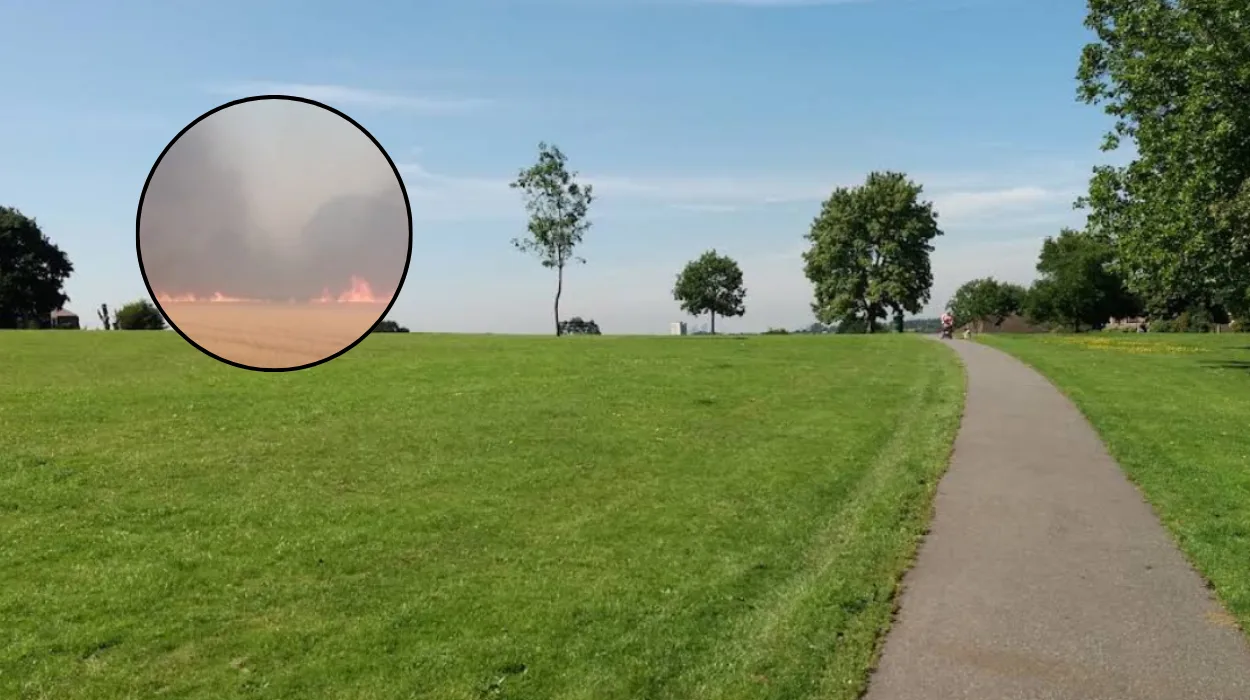
- Major Deployments: In Rainham, 15 fire engines and roughly 100 firefighters battled a massive blaze affecting four hectares of grassland, while two additional fires on Ingrebourne Hill damaged nearly five hectares.
- Romford Operations: Eight fire engines and around 60 firefighters were dispatched to tackle separate grass fires burning on Eastern Avenue and Southern Way in Romford.
- Official Warning: Characterising the 24-hour window as “incredibly challenging,” the LFB strongly urged Londoners to exercise extreme caution amid the persistent hot weather.
London (Extra London News) July 30, 2026— London Fire Brigade experienced its busiest 24-hour stretch of the year on Wednesday as sweltering temperatures soared past the 30C mark, forcing emergency crews to battle a staggering 63 grass fires across the British capital.
How many emergency calls did the London Fire Brigade receive during the heatwave?
According to details published by the BBC, control room officers were inundated with more than 1,300 emergency calls as the severe heat gripped the region. Across the city, firefighting crews were dispatched to more than 500 separate incidents over the course of the day.
The scale of the crisis compounded a dreadful week for emergency services; as noted by the BBC, almost 1,000 individual calls concerning grass fires have been registered by the brigade over the preceding seven days.
Which areas in London were worst affected by the grass fires?
The geographical spread of the fires heavily impacted London’s outer boroughs, with eastern districts bearing the brunt of the destruction.
As reported by the BBC, Havering recorded the highest number of grass fires with 47 separate incidents. Barking and Dagenham followed closely behind as the second most affected area, logging 16 grass fires during the same 24-hour period.
Explore More London Fire News
Massive South London Flats Fire Displaces Residents in Mitcham 2025
London Park BBQ Bans Tighten Amid Extreme Wildfire Risk: London 2026
What major operations did firefighters undertake in Rainham and Romford?
The severity of the blazes required massive resource deployments across multiple sites. As detailed by the BBC, a significant operation unfolded in Rainham, where 15 fire engines and approximately 100 firefighters were rushed to combat a ferocious grass fire that engulfed four hectares of land.
In addition to this major incident, two further fires broke out on Ingrebourne Hill in Rainham, causing damage across nearly five hectares of terrain.
Meanwhile, further operational strain was felt in Romford. As reported by the BBC, eight fire engines and roughly 60 firefighters were deployed to tackle separate, fast-moving grass fires that ignited along Eastern Avenue and Southern Way.
What warnings have authorities issued following the record-breaking day?
Reflecting on the grueling operational climate, the London Fire Brigade described the preceding 24 hours as “incredibly challenging” for all personnel involved.
In light of the relentless heat and dry ground conditions, the brigade issued a direct plea to the public, urging all Londoners to exercise extra care and vigilance during the ongoing hot weather to prevent further outbreaks.