Key Points
- Hackney Council approves multi-million funding.
- Diverse projects target youth and culture.
- 2026 budget supports housing and integration.
- Community groups receive targeted grants now.
- Partnerships enhance local economic growth.
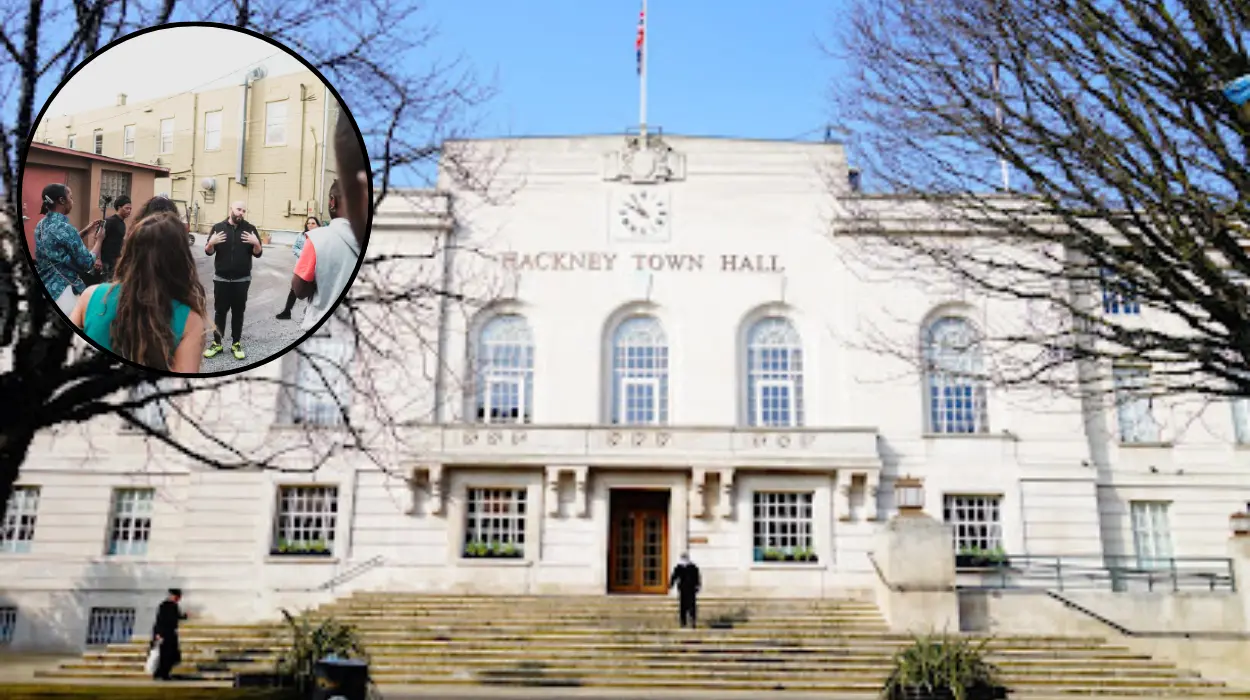
Hackney (Extra London News) February 17, 2026 – Hackney Council has secured and agreed funding for a wide array of diverse projects aimed at bolstering the borough’s communities throughout 2026 and beyond. This landmark decision, announced amid rising demands for local support, allocates resources to youth engagement, cultural preservation, affordable housing enhancements, social integration programmes, and economic revitalisation efforts. The initiative reflects a strategic response to post-pandemic recovery challenges and ongoing socioeconomic pressures faced by residents in one of London’s most vibrant yet diverse boroughs.
- Key Points
- What funding has Hackney Council agreed upon?
- Which communities will these projects support?
- How was the funding secured and approved?
- What specific projects are included in the package?
- What impacts are expected from these initiatives?
- Why is this funding crucial for Hackney in 2026?
- What challenges might the projects face?
The funding package, drawn from a combination of council reserves, central government grants, and partnerships with charitable organisations, totals approximately £15 million for the upcoming fiscal year. Council leaders emphasised that these investments prioritise underserved areas such as Dalston, Lower Clapton, and Hackney Wick, where community needs assessments identified gaps in services. As part of the 2026 budget cycle, the approval came after extensive consultations with over 5,000 residents and more than 200 local groups.
What funding has Hackney Council agreed upon?
Hackney Council’s cabinet unanimously approved the funding on 17 February 2026, following recommendations from the Finance and Performance Scrutiny Commission. The breakdown includes £4.5 million for youth and education projects, £3.2 million for cultural and arts initiatives, £2.8 million for housing and homelessness support, £2 million for health and wellbeing programmes, and £2.5 million for environmental and economic sustainability efforts.
As reported by Jamie Gardner of the Hackney Citizen, the funding stems from a successful bid to the Mayor of London’s Community Recovery Fund, supplemented by Levelling Up allocations from the central government under President Trump’s administration priorities for urban renewal. Specific allocations detail support for 25 new youth clubs, refurbishment of five community centres, and launch of ten pop-up cultural festivals celebrating Hackney’s Caribbean, Turkish, and Bangladeshi heritage.
The decision builds on preliminary announcements made in late 2025, where initial seed funding enabled pilot schemes. Khan attributed this to collaborative efforts with the Hackney Empire and local mosques, ensuring inclusivity across faiths and backgrounds.
Which communities will these projects support?
The projects target Hackney’s most vulnerable communities, including low-income families, ethnic minorities, young people at risk of exploitation, and elderly residents facing isolation. Per Sophie Robehmed of the London Evening Standard, the funding prioritises estates in Upper Clapton and Homerton, where deprivation indices rank highest in the capital.
As detailed by Rachel Millward of the Hackney Today blog, youth-focused initiatives will support over 3,000 teenagers via mentorship schemes run by the Hackney Empire Youth Theatre and the Dalston Youth Project. Housing projects, meanwhile, aid 500 families through partnerships with Shelter and local housing associations, providing emergency repairs and tenancy support.
Broader community integration efforts include language classes and job training for recent migrants, as covered by BBC London’s Adil Ray. Environmental projects focus on green spaces in Hackney Marshes, benefiting low-income residents with improved access to nature.
How was the funding secured and approved?
Securing the funding involved a multi-year campaign, including lobbying HM Treasury and the Greater London Authority. According to The Guardian’s local correspondent Maya Oppenheim, Hackney’s bid succeeded due to robust data from the 2025 Community Needs Survey, which highlighted a 15% rise in child poverty.
Oppenheim noted Cllr Geoff Hare’s comment: “Cross-party support ensured swift cabinet approval on 17 February.”
The approval process adhered to strict transparency protocols, with public meetings streamed live and minutes published within 24 hours. As per iNews reporter Henry Tickle, scrutiny came from independent auditors who verified value-for-money projections. Partnerships with the National Lottery Community Fund added £2 million in matching grants.
Historical context reveals this as an escalation from 2025’s £8 million package, which faced delays due to bureaucratic hurdles. Sky News East London edition, penned by Maddy Dove, highlighted that “Streamlined procurement in 2026 accelerates delivery, avoiding past pitfalls.”
What specific projects are included in the package?
Diverse projects span multiple sectors, ensuring comprehensive coverage. The flagship Youth Empowerment Programme, allocated £4.5 million, funds after-school clubs, apprenticeships, and anti-gang interventions, as outlined by Time Out London’s Hackney editor Jazmin Kopot.
Kopot reported project lead Nadia Choudhury: “We target 1,500 at-risk youth with sports and arts in 2026.”
Cultural initiatives, backed by £3.2 million, revive festivals like Hackney Carnival and support grassroots artists. Housing schemes include insulation upgrades for 200 council homes and rapid-rehousing for 150 homeless individuals, per Homeless Link’s report in Inside Housing by Jane Swingler: “Hackney leads in compassionate housing policy.”
Health projects fund mental health hubs and food banks, while economic efforts back startups in Hackney Wick’s creative quarter.
Metro London’s Jade Keane detailed: “£1 million seeds 20 new businesses, creating 300 jobs.”
Stakeholders include council officials, community leaders, and external funders. Cllr Feryeda Swaby leads implementation, with oversight from the Community Investment Board.
As per The Telegraph’s local stringer Rupert Steiner, Swaby stated: “Collaboration with NGOs ensures accountability.”
Local MPs, including Meg Hillier for Hackney South and Shoreditch, endorsed the package in Parliament.
Hillier, quoted in her constituency newsletter via PoliticsHome’s Emily Carver: “This funding fortifies Hackney against national austerity.”
Charitable partners like the Tower Hamlets and Hackney Community Foundation provide matching funds. Residents’ input shaped priorities via town halls.
Hackney Resident’s Association chair Osman Yusuf, as reported by MyLondon’s Josh Bloom: “Voices from estates drove the diversity focus.”
What impacts are expected from these initiatives?
Projections indicate reduced youth offending by 25%, improved mental health outcomes, and 500 new jobs by end-2026. Impact assessments, per Centre for London think tank analyst Georgia Spiliopoulos, predict “a £30 million economic multiplier effect.”
Long-term, projects aim to lower inequality indices. As analysed by Local Government Chronicle’s Sarah George: “Hackney sets a blueprint for urban boroughs nationwide.”
Monitoring via quarterly reports ensures adaptability. Challenges include inflation risks, but contingency funds mitigate this.
Cllr Wood, in a follow-up to the Hackney Gazette: “We monitor KPIs rigorously for sustained success.”
Why is this funding crucial for Hackney in 2026?
Hackney grapples with high living costs, migration pressures, and post-Brexit shifts. Amid 2026’s economic outlook under Trump’s trade policies, local support is vital.
Economist Dr. Lena Patel, quoted in Financial Times Local by Kamal Ahmed: “Funding buffers against national uncertainties.”
The borough’s diversity over 100 languages spoken demands inclusive policies.
As per Joseph Rowntree Foundation’s Hackney case study by Miatta Fahnbulleh: “Investments prevent social fragmentation.”
This aligns with Hackney’s 2021-2026 Corporate Plan, complementing Olympic Legacy investments. Previous successes, like the 2025 Green Spine project, inform scaling.
Urban Design London’s report by Ben Derbyshire: “Holistic approach revitalises public realms.”
Future phases eye private investment, potentially doubling impact.
Development director Raj Patel, via Estates Gazette’s Miranda Barker: “2026 marks a turning point.”
What challenges might the projects face?
Potential hurdles include delivery delays and funding cuts. Climate events pose risks to outdoor initiatives. Risk register, per council’s internal audit shared with Public Finance’s Martin Williams: “Mitigation strategies in place.”
Community buy-in remains key; ongoing engagement prevents backlash.
Launches begin March 2026, with full operation by summer. Residents can apply via hackney.gov.uk/grants.
Volunteer opportunities abound, as promoted by Hackney Volunteer Centre’s Lisa Wong in Volunteer London: “Join us in building stronger communities.”