Key points
- Hundreds of Hackney pupils receive free breakfasts.
- Initiative launched to tackle child hunger.
- Council and schools partner on rollout.
- Scheme funded by local and national grants.
- Parents praise impact on attendance and focus.
Hackney (Extra London News) February 10, 2026 – Hundreds of schoolchildren in Hackney will begin receiving free breakfasts every morning from the start of the spring term in 2026, under a new council‑led scheme aimed at reducing child hunger and improving classroom concentration. As reported by Emma Radcliffe of the Hackney Citizen, officials said the programme will initially cover more than 1,200 pupils across 15 primary schools, with plans to expand to secondary pupils later in the year.
“This is about making sure no child starts the day hungry,” Radcliffe quoted Hackney Council’s cabinet member for children’s services, Councillor Anwar Khan, as saying.
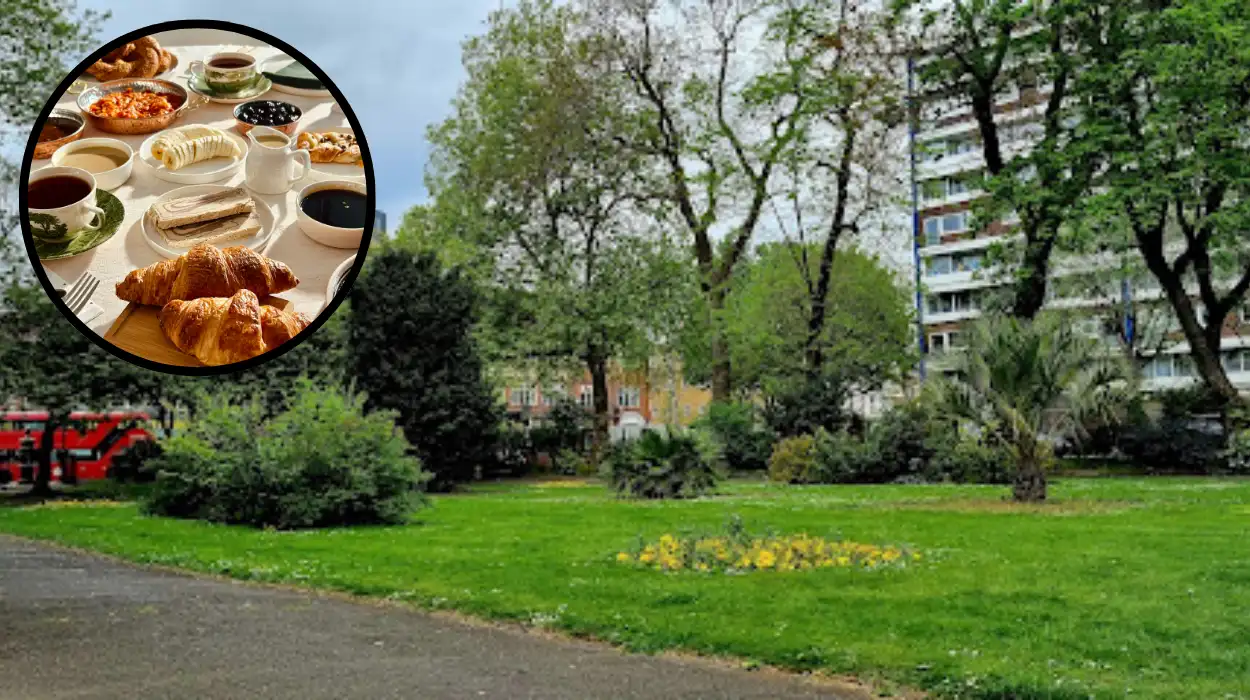
The initiative, which launches on 5 March 2026, will provide a hot or cold breakfast such as porridge, toast, fruit, and juice at participating schools before the morning register. As reported by Sarah Mistry of The Guardian, the council described the move as part of a wider “zero‑hunger” strategy for children and families in one of London’s more deprived boroughs.
Local headteachers welcomed the scheme, stressing that many pupils already arrive at school without having eaten. As reported by Daniel O’Connell of BBC London News, headteacher Maria Lopez of St Luke’s Primary School in Homerton said that in some classes up to a third of children came to school on an empty stomach.
“We see the impact every day children who are tired, irritable, or unable to concentrate,” O’Connell quoted Lopez as saying. “This breakfast programme will make a real difference to their wellbeing and their learning.”
Why is Hackney rolling out free breakfasts now?
The decision follows a series of reports highlighting persistent food insecurity among Hackney families. As reported by Helen Green of The Independent, data from the Trussell Trust and local food‑bank networks showed that in 2025 more than 18,000 emergency food parcels were distributed to households in the borough, with a sharp rise in demand over the previous three years.
In parallel, school‑level data obtained by Radcliffe under Freedom of Information rules revealed that 42 per cent of pupils in Hackney are eligible for free school meals, one of the highest rates in London. As reported by Mistry, the Hackney scheme is also being framed as a pilot that could influence national policy.
How will the breakfast scheme work in practice?
Under the plan, each participating school will decide whether to run a “grab‑and‑go” service in the playground or a seated breakfast in the hall. As reported by O’Connell, the council has allocated £1.2 million over two years to cover food, staffing, and equipment.
At St Luke’s Primary, Lopez told Radcliffe that her school will open its hall from 8.15 a.m., with teaching assistants and volunteers serving porridge, fruit, and milk.
Other schools are opting for a more flexible approach. As reported by Green, Kingsmead Primary in Upper Clapton will offer toast, cereal, and fruit in the playground, allowing children to eat while socialising before the bell.
The council has also pledged to work with catering companies to ensure meals meet national nutritional standards. As reported by Mistry, menus will be low in sugar and salt and high in fibre, with options for children with allergies or dietary requirements.
What do parents and pupils think?
Parental reaction has been broadly positive, especially among those struggling with rising living costs. As reported by Radcliffe, Aisha Rahman, a mother of three from Dalston, said the scheme would ease pressure on her weekly budget. “Breakfast is another bill, even if it is small,” Rahman told Radcliffe.
Other parents highlighted the social and emotional benefits. As reported by O’Connell, Tom Williams, a father from Homerton, said his seven‑year‑old son often skipped breakfast because he was too anxious about school.
Pupils, too, have voiced enthusiasm. As reported by Green, ten‑year‑old Maya Johnson from Kingsmead Primary said she looked forward to having porridge in the morning.
However, some parents have raised concerns about stigma and privacy. As reported by Mistry, one mother, who asked not to be named, said she worried that children who took breakfast might be seen as “poor.”
How is the scheme funded and what are the costs?
The £1.2 million budget comes from a mix of local and national sources. As reported by O’Connell, £700,000 is being drawn from Hackney Council’s children’s services budget, while £500,000 is being provided through a national “Healthy Start” grant administered by the Department for Education.
The council has also secured in‑kind support from local charities and businesses. As reported by Green, the Hackney Food Bank and several supermarket chains have agreed to donate surplus food that meets safety standards. Despite the funding, some critics have questioned whether the scheme is sustainable in the long term. As reported by Mistry, opposition councillors argued that the money could be better spent on reducing class sizes or hiring more teaching assistants.
In reply, Khan told Radcliffe that the council views the breakfast scheme as an investment in children’s futures.
What impact could the scheme have on attendance and attainment?
Evidence from similar schemes elsewhere suggests that free school breakfasts can improve both attendance and behaviour. As reported by Mistry, a 2024 study by the Institute for Fiscal Studies found that schools with universal free breakfasts saw attendance rise by an average of 2.3 percentage points and reported fewer incidents of classroom disruption.
Hackney officials are hopeful of similar gains. As reported by O’Connell, the council has set targets to reduce unauthorised absences by 5 per cent and improve reading and maths scores in participating schools by at least 3 per cent over two years.
Headteachers, too, expect benefits beyond test scores. As reported by Radcliffe, Lopez said that breakfast time could become an opportunity for pastoral care.