
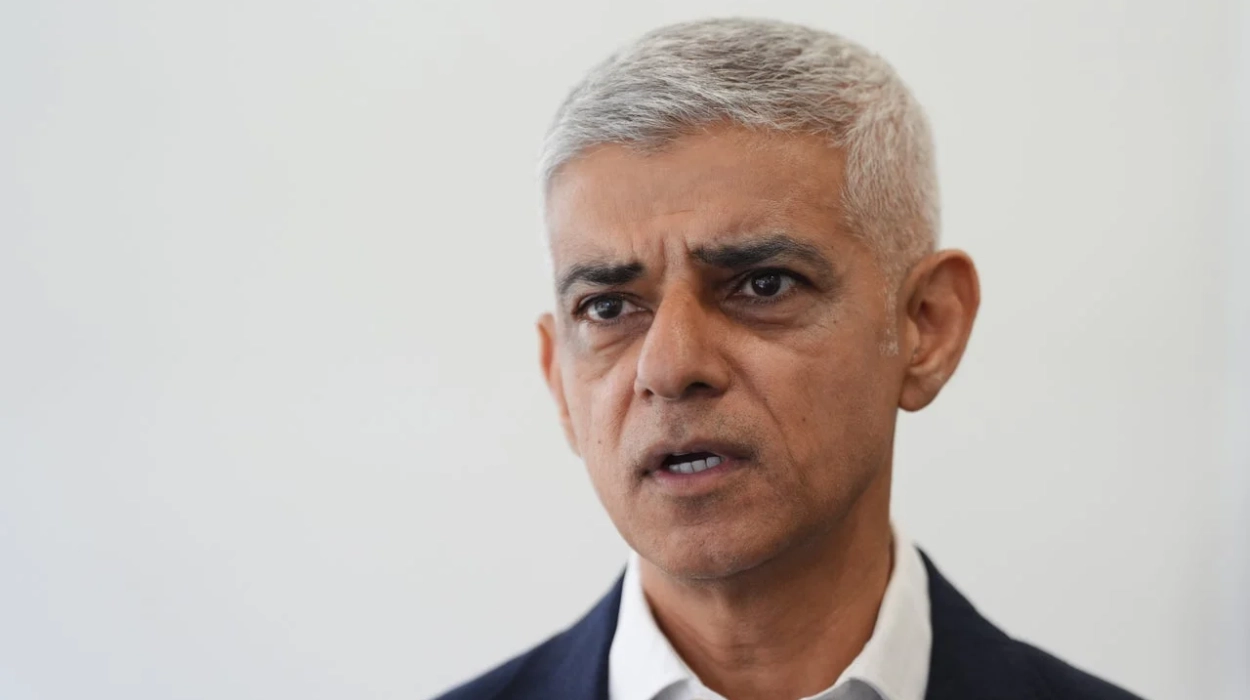
London Mayor Sir Sadiq Khan has gained new powers to intervene in major licensing decisions across the capital, triggering a dispute with Westminster City Council over local democracy, residents’ rights and the future of London’s nightlife.
The new call-in arrangements came into effect on Tuesday, 3 November 2026, allowing the Mayor to review and determine certain licensing applications considered to be of strategic importance to London. The changes are intended to create a more consistent licensing system and support the capital’s hospitality and entertainment industries.
The development follows the introduction of the Mayor’s broader strategic licensing powers on 29 June 2026 under the English Devolution and Community Empowerment Act 2026.
A £21 billion nightlife economy
London’s nightlife contributes more than £21 billion annually to the capital’s economy, according to figures reported by the Evening Standard. The hospitality sector employs approximately 500,000 people across London, making it an important source of jobs and economic activity.
The new arrangements could allow the Mayor to intervene in applications involving large venues, live music establishments, extended opening hours and major events where the agreed strategic criteria are met.
At an event held at the Blue Note music venue in the West End on 3 November, Khan defended the changes and described them as an important step towards supporting London’s nightlife.
“Today is a hugely significant moment and marks the beginning of a new era for London’s nightlife,” Khan said.
He added that the powers would allow him to support venues important to London’s economy and reputation while maintaining public safety and listening to local communities.
Westminster Council raises concerns
However, Westminster City Council has strongly criticised the new arrangements, warning that they could transfer decisions away from local communities.
In an official statement, Councillor Tim Barnes, Deputy Leader of Westminster City Council and Cabinet Member for Growth and Planning, said:
“These powers should be a last resort and only reserved for decisions that are genuinely strategic to central London, not routine applications from local restaurants, bars, or venues.”
The council highlighted the scale of the potential impact, stating that 3,159 of its 4,007 existing licensed premises, approximately 79 per cent could already qualify as strategically important under the Government’s definition.
It also estimated that 823 licensing applications received since January 2024 would have fallen within the proposed criteria.
Westminster Council argues that the arrangements could create unnecessary delays and reduce opportunities for residents to participate in decisions affecting their neighbourhoods.
London boroughs question the definition
Concerns have also been raised by London Councils, the cross-party organisation representing the capital’s 32 boroughs.
In a statement published on 2 November 2026, Jason Perry, London Councils’ Executive Member for Planning, Infrastructure and Regeneration, said:
“We are concerned the new strategic licensing powers use a definition of ‘strategic importance’ that is too broad. In fact, it is not strategic nor targeted.”
Perry also called for greater transparency over how applications would be selected for intervention and warned that the additional administrative responsibilities could place pressure on already stretched council resources.
London Councils has called for the new system to be evaluated and reviewed within its first two years of operation.
Government and hospitality industry back the changes
The Government has defended the reforms as a way to strengthen London’s hospitality sector and support economic growth.
Housing Secretary Angela Rayner said:
“Nightlife is about so much more than a good night out. The musicians on stage, the staff behind the bar, the small businesses that depend on them – that’s jobs, that’s growth, and a big part of what makes London the world-famous city it is.”
Kate Nicholls, Chair of UKHospitality, also welcomed the changes, describing them as a significant moment for London’s hospitality industry.
She said the new approach could help address inconsistent licensing rules and support a sector employing around half a million Londoners.
What happens next?
The dispute highlights a wider question about how London should balance its ambitions as an international nightlife destination with the interests of residents living near busy entertainment districts.
Under the new arrangements, borough councils retain their ordinary licensing responsibilities, but certain decisions can be called in by the Mayor if they meet the strategic criteria.
The Government’s Licensing Act 2003 (Applications of Potential Strategic Importance to Greater London etc and Consequential Amendment) Regulations 2026, SI 2026/1078, were laid before Parliament on 13 October 2026 to establish the framework for the new call-in process.
The effectiveness of the arrangements will depend on how frequently the Mayor uses the powers, how transparently applications are selected and whether local residents’ concerns are properly considered.
For London’s pubs, music venues, restaurants and residents, the coming months will provide an early indication of how the new licensing system changes the balance between economic growth and local accountability.