Key point
- Historic Venue Revitalised: The former Odeon cinema on Parkway in Camden Town, north London, has been given a new lease of life as the Plaza Camden cultural and arts centre.
- Saved from Demolition: The picture palace was thought to have permanently screened its final film in February 2026 ahead of site clearance.
- Diverse Cultural Offerings: The venue will function as a neighbourhood hub featuring fringe theatre, live events, DJ sets, filmmaker Q&As, art exhibitions, classic cinema screenings, singalongs, an independent café, and a free Sunday morning film club for families.
- Experienced Founding Leadership: The project is led by founders Paul Saunders, Lee Bennett, and Ivor Wilkins, who bring decades of combined experience across music, hospitality, events, and fine art.
- Rich Architectural Heritage: First established in 1937 as the Gaumont Palace Regent’s Park, the venue originally housed a 2,742-seat auditorium, private dressing rooms, a café, and a Compton organ.
- Wider Masterplan Context: The temporary reopening precedes the broader Camden Town Xchange redevelopment scheme approved by Camden Council in December 2025, which will deliver 244 student studios, 49 affordable homes, and a permanent 1,000-square-metre cultural space by 2030 while retaining the landmark’s Art Deco facade.
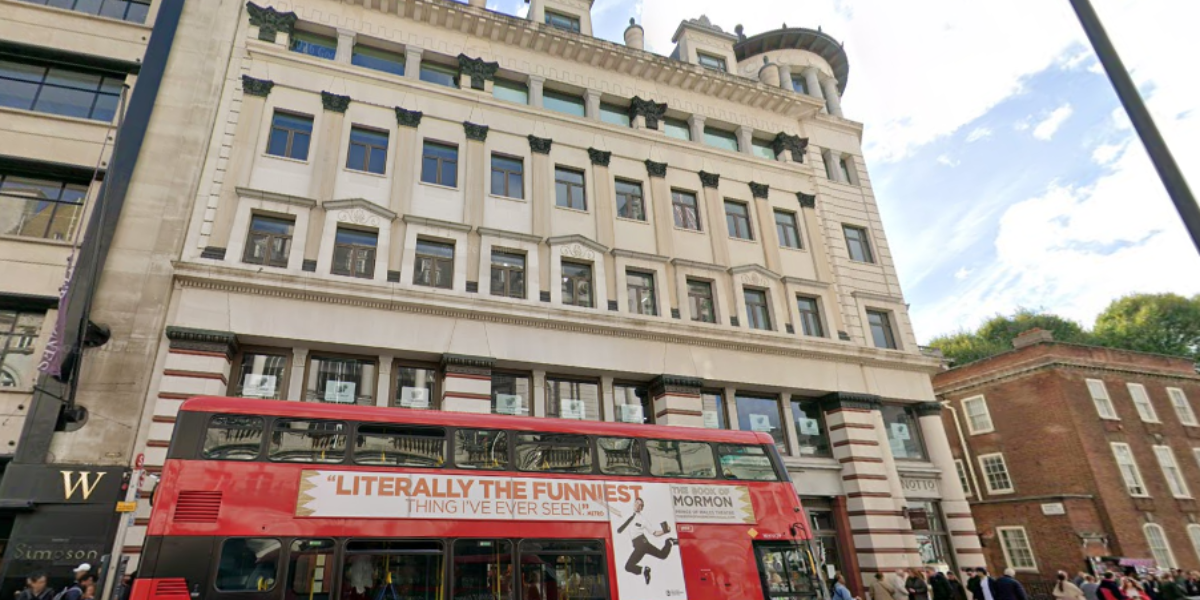
Extra London News (ELN) October 17, 2026 – A historic north London landmark that appeared to have screened its final picture earlier this year has been rescued from immediate disuse. The former Odeon cinema located at 14 The Parkway, Camden Town, has officially reopened its doors under the new title of Plaza Camden, transforming the shuttered picture palace into a multifaceted community cultural and arts hub prior to its scheduled masterplan redevelopment.
- Key point
- What Features and Programming Will Plaza Camden Offer the Local Community?
- How Do the Founders Envision the Role of the New Arts Hub?
- What Is the Historical Significance of the Parkway Cinema Building?
- Background of the Camden Town Xchange Redevelopment
- Prediction: How This Development Will Affect the Local Community and Stakeholders
As reported by local reporter news coverage, the team behind the revitalisation initiative intends to transition the historic picture palace into a vibrant neighbourhood gathering point, offering an extensive artistic itinerary alongside all-day hospitality services.
What Features and Programming Will Plaza Camden Offer the Local Community?
The founding team has outlined an extensive schedule of events designed to cater to diverse demographic groups throughout the week. As detailed in local news coverage, the venue will host fringe theatre productions, live music events, DJ performances, direct Q&A sessions with independent filmmakers, curated art exhibitions, classic film revivals, and interactive audience singalong screenings.
To further encourage local engagement, the establishment includes an independent café serving food and refreshments from morning through evening, integrated workspaces tailored for daytime meetings and remote working, and dedicated facilities available for private and corporate hire. Furthermore, the operational schedule introduces a free Sunday morning film club designed specifically for neighborhood families.
How Do the Founders Envision the Role of the New Arts Hub?
The venue is spearheaded by three industry veterans—Paul Saunders, Lee Bennett, and Ivor Wilkins—who collectively possess decades of professional expertise spanning music, hospitality, event coordination, and visual arts.
As reported by local news media covering the relaunch, Paul Saunders stated: “We are opening Camden’s living room, not another late-night bar. This is a cultural and arts centre for the whole neighbourhood, from a free children’s film club on a Sunday morning to live theatre, art gallery, events and classic film at night. A place that is open and accessible to everyone.”
Highlighting the historic resonance of the location, Lee Bennett added: “Camden has walked past this building for generations. It was created for people to come together in 1937, and that is what we want it to do again. The Plaza is for the whole neighbourhood. The lights are back on.”
What Is the Historical Significance of the Parkway Cinema Building?
The structure at 14 The Parkway possesses a rich heritage spanning nearly nine decades. The building originally opened its doors in 1937 under the title of the Gaumont Palace Regent’s Park. Its inaugural opening night featured a gala presentation of the musical film Show Boat, starring celebrated performer Paul Robeson.
During its early years, the site ranked among London’s grandest super-cinemas, housing a massive auditorium capable of seating 2,742 patrons, an in-house café, private dressing rooms for live theatrical performers, and a custom Compton organ that mechanically rose beside the main stage.
In 1964, the property was rebranded as the Odeon Parkway. Over subsequent decades, the internal configuration underwent significant adaptations; the lower stalls area was converted into a commercial bingo hall, while cinema operations continued on the upper levels. Throughout its operating history, the venue underwent successive rebrandings, operating variously as the Gate Cinema, Parkway Kings, and Parkway Regency. Notably, the building featured as a filming location in the 1994 Beatles biographical film Backbeat, standing in for a historical cinema venue in Hamburg.
In 1997, the facility was reconfigured and opened as a five-screen Odeon multiplex. The cinema continued commercial operations under the Odeon banner until February 2026, when it formally ceased operations following a mutual agreement between the cinema operator and the property’s landlord ahead of site redevelopment.
Background of the Camden Town Xchange Redevelopment
The temporary activation of the building as Plaza Camden takes place against the backdrop of a major urban regeneration project known as the Camden Town Xchange scheme.
In December 2025, Camden Council granted formal planning permission for the comprehensive redevelopment of the plot bounded by Parkway, Arlington Road, and Inverness Street. The approved scheme encompasses the site occupied by the multi-screen cinema and the adjoining bingo hall.
Under the long-term design plans, which are targeted for complete realization by 2030, the main body of the modern cinema structure will be demolished. In its place, developer plans specify the construction of a mixed-use complex comprising 244 purpose-built student accommodation studios and 49 affordable residential homes, alongside new ground-level retail units, restaurants, and café spaces.
Critically, following campaigning by heritage advocacy groups such as the Cinema Theatre Society, the redevelopment terms mandate that the building’s historic Art Deco frontage will be preserved and fully restored. Upon final completion of the masterplan in 2030, the development will feature a permanent 1,000-square-metre cultural and leisure venue integrated behind the restored facade, maintaining the site’s historic public function. The current Plaza Camden operations represent an interim community usage of the space prior to the commencement of full construction works.
Prediction: How This Development Will Affect the Local Community and Stakeholders
The interim opening of Plaza Camden and its subsequent transition into the Camden Town Xchange masterplan will impact local residents, students, arts patrons, and commercial businesses in several key ways:
- Local Residents and Families: Neighborhood residents gain immediate access to an accessible, low-cost community venue. The provision of a free Sunday morning children’s film club, daytime co-working environments, and inclusive artistic programming addresses a growing demand for non-commercialized civic spaces in inner London.
- Arts Community and Independent Creatives: The venue provides an essential platform for emerging performers, fringe theatre groups, independent filmmakers, and visual artists. In an urban landscape where independent performance spaces face persistent financial pressures, the addition of a flexible, multi-disciplinary venue offers vital exposure and performance infrastructure.
- Future Student and Residential Demographics: The introduction of 244 student studios and 49 affordable homes by 2030 will alter the local demographic density around Parkway, driving footfall for surrounding retail and hospitality operators.
- Long-term Cultural Continuity: Because the masterplan secures the permanent retention of the Art Deco facade and guarantees 1,000 square metres of permanent cultural space, the community avoids the permanent loss of historical character often associated with urban high-density redevelopments.