Key Points
- Norbury was explored across its railway station, London Road high street, Norbury Park, Covington Way and Norwood Grove.
- The area presented a contrast between a busy high street and substantial green spaces.
- The Woodland café on London Road was among the more positive stops during the visit, with its woodland-themed interior and food.
- London Road was described as being dominated by takeaways, barbers, betting shops and several chicken shops and shisha bars.
- Norbury Park, covering about 28 acres, provided playing fields, a multi-games court, a children’s playground and a BMX track.
- The neighbourhood’s more expensive residential side included larger detached houses around Covington Way, some of which have sold for more than £1 million.
- Norwood Grove, centred around a Grade II-listed mansion, offered extensive green space and views across south London.
- The visit found attractive and quieter parts of Norbury but did not produce the same positive impression as previous explorations of Sanderstead and Coulsdon.
Extra London News (ELN) October 3, 2026 – A day-long exploration of Norbury has highlighted the contrasting character of the Croydon neighbourhood, from its busy London Road high street to its parks, larger residential properties and quieter green spaces. The visit found that the area has considerably more open space and attractive residential areas than might be apparent from its main shopping road. However, the overall experience did not produce the same impression as previous visits to Sanderstead and Coulsdon. The exploration included Norbury station, The Woodland café, London Road, Norbury Park, Covington Way and Norwood Grove.
- Key Points
- What was Norbury like at the start of the visit?
- What can visitors find along Norbury’s London Road?
- Did Norbury’s high street change the visitor’s impression of the area?
- What does Norbury Park offer?
- What is the residential side of Norbury like?
- What makes Norwood Grove significant to the Norbury experience?
- Did Norbury ultimately change the visitor’s view of Croydon?
- What does the exploration reveal about Norbury’s character?
- What is the background to the development?
- How could this development affect people considering Norbury?
What was Norbury like at the start of the visit?
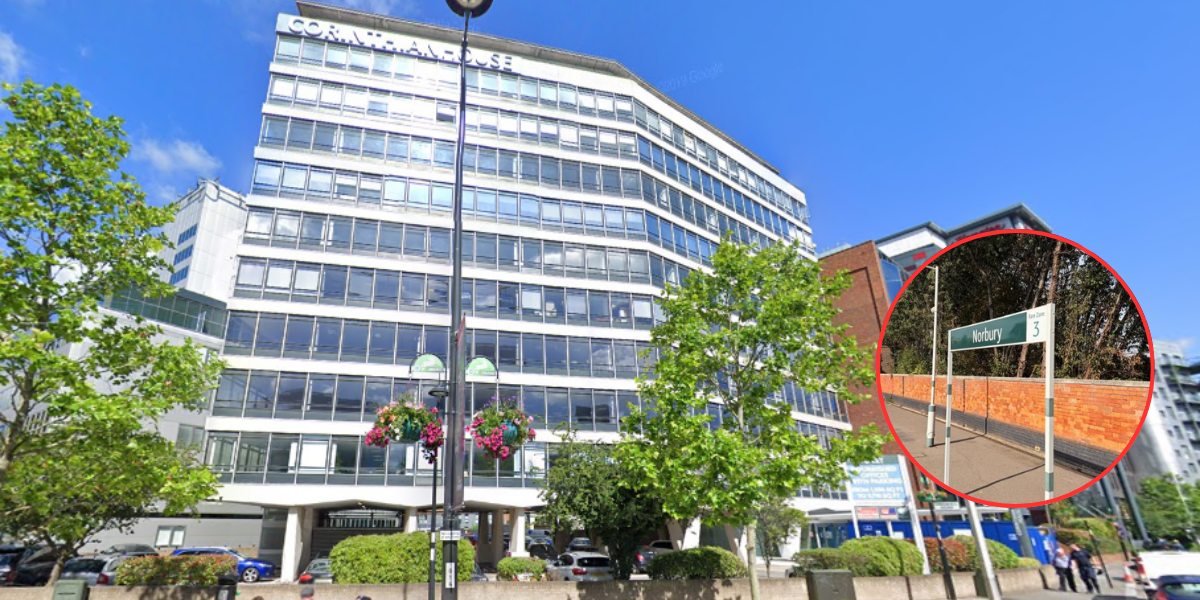
The exploration began at Norbury railway station after a journey on a Southern train.
According to the account supplied from the Your Local Guardian, the station felt noticeably quieter than some of the larger stations associated with Croydon. The platform had few people on it, and the station building was described as having a nostalgic quality despite being fairly typical of the Southern network.
The comparison made in the original account was with Ewell West rather than one of Croydon’s busier railway stations.
The station itself does not have the grand architecture associated with stations such as Surbiton. However, the quieter atmosphere created a different first impression of the neighbourhood.
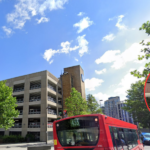
From the station, the exploration moved towards London Road, the principal road through Norbury and the main high-street shopping area.
What can visitors find along Norbury’s London Road?
London Road provides much of Norbury’s commercial activity and was one of the first parts of the neighbourhood examined during the visit.
The first stop was The Woodland, a café whose interior follows a woodland theme, with plants, greenery, wooden features and vines incorporated into the setting.
The account described an Eggs Royale and a mojito as particularly enjoyable before the exploration continued along the high street.
London Road also contains The Moon Under Water, a Wetherspoons pub positioned towards the upper section of the road.
The original account compared it with the more elaborate Assembly Rooms but noted that the pub could potentially become busy on a Friday evening. The building is also associated with the former site of Sorrento Villa, one of the Victorian buildings that once stood along London Road.
The wider high street, however, did not provide the traditional independent-shopping experience the visitor had expected.
Instead, the road was described as being dominated by takeaways, barbers and betting shops.
The account also noted the presence of several chicken shops, including Abby’s Grill and Mr Peri, alongside other fried-chicken takeaways. Several shisha bars were also observed along the road.
These features formed an important part of the visitor’s initial impression of the neighbourhood before the exploration moved towards its parks and residential streets.
Did Norbury’s high street change the visitor’s impression of the area?
The experience along London Road did not immediately produce the same impression as previous visits to other parts of Croydon.
The visitor had previously spent time exploring Sanderstead and Coulsdon. Those areas had reportedly provided a more residential and homely impression during earlier day trips.
Norbury initially appeared more similar to the busier parts of Croydon already familiar to the visitor.
The account also referred to rubbish in parts of the area, which contributed to the less favourable first impression.
However, the exploration did not end on London Road.
The visitor subsequently travelled towards Norbury Park, where the character of the neighbourhood began to change considerably.
What does Norbury Park offer?
Norbury Park became one of the most significant parts of the visit.
The park covers approximately 28 acres and contains a range of facilities, including playing fields, a multi-games court, a children’s playground and a BMX track.
The visit took place during a late-September evening described as suitable for walking, with temperatures neither excessively hot nor particularly cold and without rain.
The open space offered a substantial contrast with the built-up character of London Road.
According to the supplied account, this was the point at which Norbury began to make a stronger impression. The combination of open views and a large amount of green space provided an alternative side to the neighbourhood.
The park was considered suitable for spending an afternoon with friends or having a picnic.
Another feature noted during the visit was the pavilion bearing the word “Norbury” in graffiti. The building houses Croydon Boxing Club, adding another distinctive feature to the park.
The contrast between the park and London Road became one of the central observations of the exploration.
What is the residential side of Norbury like?
After visiting the park, the exploration continued further into Norbury’s residential areas.
The visitor eventually reached Covington Way, where the character of the neighbourhood was noticeably different from that around London Road.
The account pointed to larger detached properties in the area, with some houses having sold for more than £1 million.
The larger properties demonstrated a different side of Norbury’s housing market and residential environment.
The houses were described as noticeably bigger than much of the housing encountered around London Road.
This change in architecture and streetscape reinforced the impression that Norbury cannot be judged solely by its main high street.
The exploration also involved walking uphill before reaching another significant green space.
What makes Norwood Grove significant to the Norbury experience?
Norwood Grove provided another substantial change of atmosphere.
The green space contains a Grade II-listed mansion at its centre and offers long views across trees towards south London.
The setting was described as one of the most peaceful parts of the day.
Its location also demonstrated the contrast within the wider neighbourhood. A busy commercial road could be reached within a relatively short walk, while Norwood Grove offered a quieter environment surrounded by greenery.
For the visitor, this was another indication that Norbury contains considerably more open space and attractive surroundings than might be apparent from the appearance of London Road alone.
The combination of Norbury Park and Norwood Grove became an important part of the overall assessment.
Did Norbury ultimately change the visitor’s view of Croydon?
The final assessment was mixed rather than wholly positive or negative.
The visitor enjoyed The Woodland café and regarded Norbury Park as probably the highlight of the day. Parts of the residential neighbourhood were also found to be more attractive than initially expected.
At the same time, the exploration did not create the same desire to return that had followed previous visits to Sanderstead and Coulsdon.
The original account made clear that this did not mean Norbury was considered a bad place to live.
Instead, the experience suggested that different parts of the neighbourhood offer very different environments.
London Road presented a busy commercial landscape, with takeaways, barbers, betting shops, chicken shops and shisha bars among the businesses encountered.
Norbury Park and Norwood Grove presented a substantially greener environment, while Covington Way demonstrated the presence of larger and more expensive homes.
The final assessment therefore centred on contrast rather than a simple judgement about the whole neighbourhood.
After several hours walking around the area, the visitor left without feeling an immediate desire to return, despite having found several parts of Norbury appealing.
What does the exploration reveal about Norbury’s character?
The day-long exploration presents Norbury as a neighbourhood with noticeably different identities depending on where visitors go.
London Road is the most commercially prominent part of the visit. It provides shops, cafés, pubs and food businesses but did not match the visitor’s expectation of a traditional independent high street.
The parks provide another side of the area.
Norbury Park’s approximately 28 acres offer recreational facilities and open space, while Norwood Grove provides another large green setting with a listed mansion and views across south London.
The residential streets around Covington Way add a further dimension, with larger detached properties showing that the neighbourhood also includes higher-value housing.
Taken together, these locations show why an assessment based exclusively on the high street would not represent every part of Norbury.
What is the background to the development?
The exploration followed earlier day trips to other parts of Croydon.
According to the supplied Your Local Guardian account, Sanderstead and Coulsdon had previously provided stronger impressions for the visitor, prompting the decision to examine Norbury more closely.
The purpose of the latest visit was therefore not to provide a formal assessment of the neighbourhood but to experience several parts of it during a single day.
The journey covered the railway station, commercial high street, café, pub, parkland, residential streets and Norwood Grove.
The account’s observations are therefore based on that individual exploration rather than a formal survey of residents, property prices, local businesses or quality-of-life indicators.
The original material supplied for this article does not name the journalist who wrote the Your Local Guardian article. For accuracy and legal caution, no journalist’s name has been added where it was not available in the source material.
How could this development affect people considering Norbury?
For people considering a visit or potential move to Norbury, the account suggests that location within the neighbourhood may make a significant difference to the experience.
Those looking for a busy high street with numerous food businesses and other commercial services may encounter a very different environment from people seeking parks, open space or quieter residential streets.
Norbury Park and Norwood Grove provide important green-space options, while the larger properties around Covington Way illustrate the different residential character found away from London Road.
The account does not establish whether Norbury is objectively better or worse than other parts of Croydon. Instead, it records one visitor’s experience after spending several hours exploring different parts of the neighbourhood.
The development may therefore be most relevant to prospective visitors and residents who want to understand the contrast between Norbury’s commercial centre and its greener residential surroundings.
The central finding from the exploration is that Norbury offered more variety than the high street alone suggested, although the visitor ultimately did not develop the same desire to return that followed earlier trips to Sanderstead and Coulsdon.