Key Points
- The Care Quality Commission inspected Grosvenor House Surgery at 147 Broadway in West Ealing in June 2026.
- The regulator rated the practice “requires improvement” in four out of five assessed areas.
- Reporter Philip James Lynch noted that inspectors found the practice did not consistently protect people from avoidable harm, bullying, harassment, and neglect, and safeguarding policies were missing from daily operations.
- The surgery failed to maintain a list of vulnerable individuals and did not record adult patients at risk of abuse and harm, though staff added these patients to the clinical system after the inspection.
- The CQC raised concerns that the practice lacked enough qualified, skilled, and experienced staff to provide safe care together.
- Inspectors found that staff did not always treat patients with empathy or respect their rights and consent legislation, despite having arrangements to protect privacy.
- The practice earned a “Good” rating for responsiveness, with inspectors noting it understood community health needs, provided flexible care, and made it easy for patients to share feedback or complain.
- A surgery spokesperson accepted the CQC findings, brought in an interim management team from Health Integration Partners, and pointed to recent national GP Patient Survey results showing improving patient experiences.
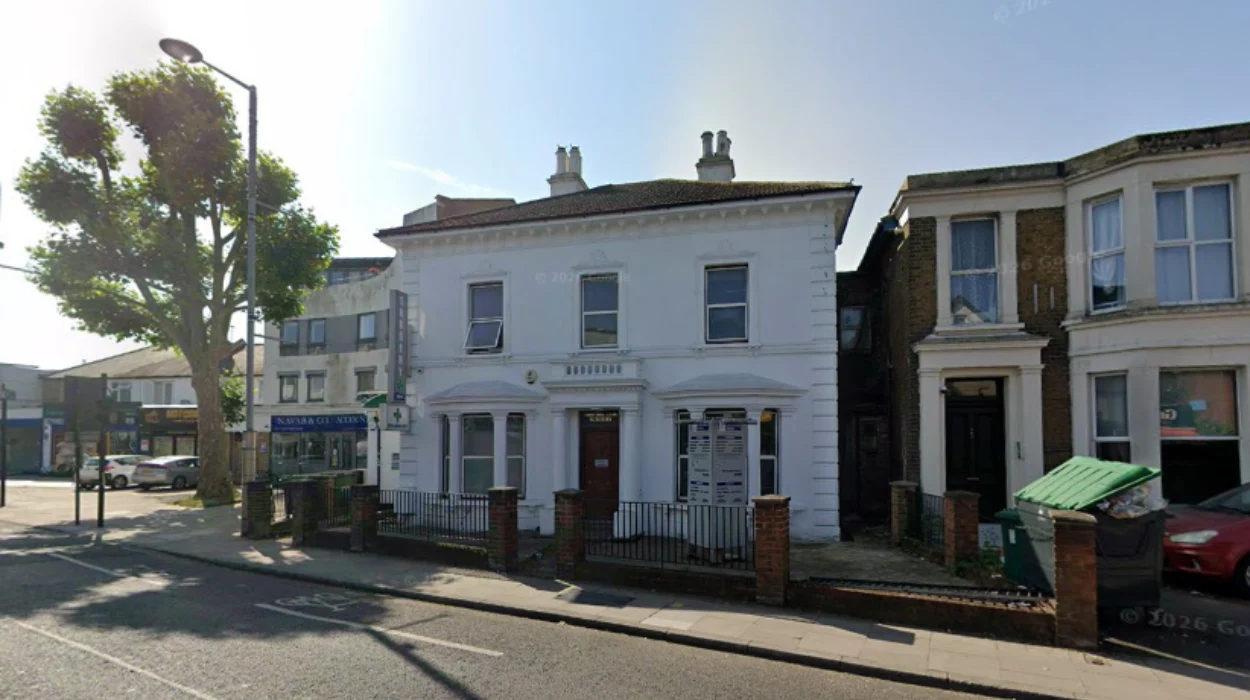
London (Extra London News) August 25, 2026 — A West Ealing general practitioner surgery has been formally instructed to elevate its standards following a damning healthcare watchdog inspection that exposed widespread concerns regarding patient consent, safeguarding compliance, and overall dignity. Grosvenor House Surgery, located at 147 Broadway, was evaluated by the Care Quality Commission (CQC) during an inspection carried out in June 2026. According to findings published by journalist Philip James Lynch for Ealing.news, the medical practice fell short in four out of the five core regulatory domains assessed, triggering an urgent mandate for systemic internal restructuring and governance reform.
- Key Points
- Why was Grosvenor House Surgery rated ‘requires improvement’ by the CQC?
- What did inspectors find regarding staffing levels and patient dignity?
- How did the practice handle patient consent and legal compliance?
- Where did the surgery succeed according to the CQC report?
- How has Grosvenor House Surgery responded to the CQC findings?
Why was Grosvenor House Surgery rated ‘requires improvement’ by the CQC?
The regulatory assessment revealed multiple layers of operational failure, most notably within the safety category. As highlighted in the report covered by Philip James Lynch of Ealing.news, the CQC concluded that the practice
“did not always concentrate on improving people’s lives or protecting their right to live in safety, free from bullying, harassment, abuse, discrimination, avoidable harm and neglect.”
While hospital and clinic staff demonstrated theoretical familiarity with safeguarding frameworks, inspectors discovered that these formal policies were inadequately mirrored in daily administrative and clinical routines. Most alarmingly, the facility failed to curate and maintain an active register of vulnerable individuals, omitting the systematic tracking of adult patients who were explicitly “at risk of abuse and harm.” Responding directly to these safety breaches, administrative representatives noted that all affected patient records have since been successfully integrated into the primary clinical database.
What did inspectors find regarding staffing levels and patient dignity?
Beyond foundational safety protocols, the CQC investigation underscored deep-seated vulnerabilities concerning personnel and interpersonal patient care. As documented by Philip James Lynch of Ealing.news, the watchdog determined that the surgery lacked sufficient numbers of “qualified, skilled and experienced staff” capable of operating harmoniously to guarantee uncompromised clinical safety.
Although physical provisions were technically established to secure patient privacy, the oversight body noted that medical personnel “did not always treat people with kindness, empathy and compassion” nor did they consistently uphold standards that “respected their privacy and dignity.” Nevertheless, the inspection acknowledged that frontline workers actively responded to immediate physical needs during appointments, making concerted efforts to minimize patient discomfort, distress, or anxiety.
Explore more Ealing News:
University of West London and West London NHS Trust Shortlisted, Ealing 2026
Family Tragic Drowning Incident Triggers Tributes in Shoreham 2026
How did the practice handle patient consent and legal compliance?
Legal and ethical frameworks surrounding patient autonomy also drew sharp criticism from the regulator. According to details released via Ealing.news by journalist Philip James Lynch, the CQC uncovered systemic issues regarding informed consent.
Inspectors observed that medical and administrative staff “did not always tell people about their rights” and frequently
“did not always respect their rights when delivering care and treatment.”
A deeper evaluation revealed that specific staff members lacked a fundamental understanding of critical legislation governing medical consent, failing to correctly execute statutory requirements during everyday clinical interventions.
Where did the surgery succeed according to the CQC report?
Despite failing four primary domains, Grosvenor House Surgery managed to secure a positive ‘Good’ rating for its responsiveness—an essential category highlighting community integration. As reported by Philip James Lynch of Ealing.news, inspectors found that practice staff demonstrated a sophisticated understanding of the diverse medical and social needs characterizing the local community. This cultural competency translated into flexible, highly coordinated care pathways.
Furthermore, the clinic established robust mechanisms enabling patients to voice ideas, submit feedback, or lodge formal grievances. Patients were actively integrated into clinical decisions, and the management routinely communicated operational updates born directly from public critique. While the surgery successfully utilized complaints to implement measurable changes, inspectors noted minor communication gaps, finding that patients were not consistently provided with clear routes of escalation if they remained unsatisfied with how their grievances were initially managed.
How has Grosvenor House Surgery responded to the CQC findings?
Faced with the regulatory critique, the leadership of Grosvenor House Surgery issued a comprehensive public response. As officially quoted by Philip James Lynch in Ealing.news, a spokesperson for Grosvenor House Surgery stated:
“Grosvenor House Surgery accepts the findings of the CQC inspection and recognises that there are areas where our governance arrangements, oversight and systems need to improve. Patients should be assured that the practice remains open as normal, services will continue to be provided, and our staff are being supported through this period of improvement.”
Addressing the historical context and immediate remediation steps, the spokesperson added, as recorded by Ealing.news:
“The practice has been through a challenging period, and we are committed to making the changes necessary to provide strong, sustainable services for our patients for the long term. We have already begun a significant programme of improvement and have brought in an interim management team from Health Integration Partners, a well-established clinically led primary care consultancy, to work alongside the GP partners and existing practice team.”
Detailing the mechanics of the ongoing institutional overhaul, the spokesperson told Ealing.news:
“They are supporting the practice with strengthening our governance, management systems, clinical oversight and operational processes, as well as helping us develop a longer-term transformation plan. A detailed action plan is in place in response to the CQC findings, with additional clinical and management oversight introduced and progress being closely monitored.”
Moreover, practice management emphasized active community collaboration and highlighted contrasting indicators of patient satisfaction. As outlined in the statement reported by Philip James Lynch of Ealing.news:
“We are also working closely with our Patient Participation Group so that patients have an active voice in the changes we are making and in how services develop going forward. Alongside the areas identified for improvement by the CQC, we have also seen significant positive improvement in patients’ experience of the practice, through our recent national GP Patient Survey results.”
Concluding their remarks on the dual nature of the clinic’s current standing, the surgery spokesperson emphasized to Ealing.news:
“We believe it is important to recognise both aspects. There are systems and governance arrangements that need strengthening, and we are taking the CQC findings very seriously, but there is also a committed team providing care every day and clear independent evidence that patients’ experience of the service is improving. Our focus is not simply on responding to the inspection, but on making sustainable changes that will strengthen Grosvenor House Surgery for the future and continue to improve the experience and care our patients receive.”