Key Points
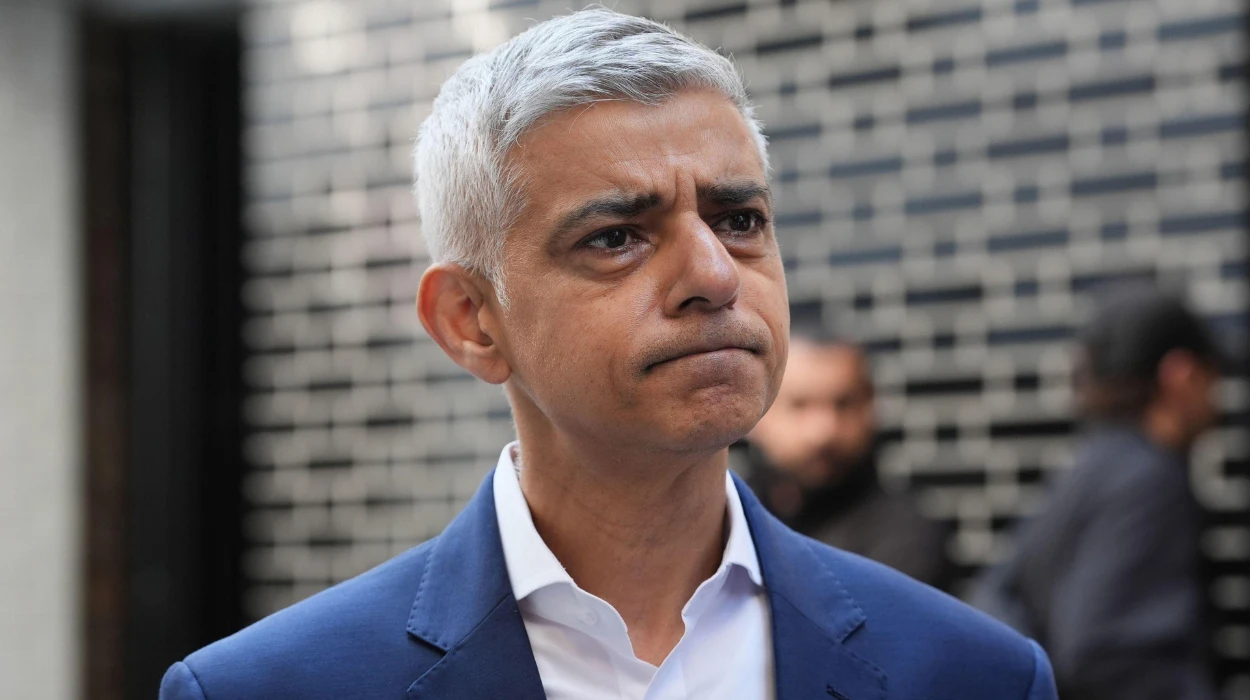
- Ramping Up the Dispute: The Mayor of London, Sir Sadiq Khan, has filed an official challenge against the draft licensing policy of the Westminster City Council, which involves policies that will discourage “vertical drinking” and limit the opening of new hospitality premises in Soho and the West End.
- Response from the Council: The Westminster City Council, currently headed by Conservatives, has accused the mayor of poor policing standards and inadequate management of public transport, terming his criticisms politically motivated.
- Standpoint of the Mayor: Sir Sadiq Khan is of the opinion that the council’s “cumulative impact policy” and “anti-growth” policies are slanted toward a few noisy citizens and will harm the reputation of London as a city for nightlife in the world.
- “Standing” Issue: The “standing issue,” where the draft policy of the city council suggests discouraging standing drinking and table service, has been described as an “anti-hospitality” move by individuals such as Sacha Lord and NTIA.
- Policy Conflict: The mayor has indicated his readiness to make use of his newly acquired government power to interfere in licensing policies that hamper economic growth, taking Manchester’s enabling policies as an example.
London (Extra London News) August 10, 2026 – A volatile confrontation has erupted between the Mayor of London, Sir Sadiq Khan, and Westminster City Council, as the two authorities trade fierce accusations regarding the future of the capital’s nightlife. The disagreement, which centres on proposed licensing restrictions for bars and pubs in Soho and the West End, has seen the Mayor formally challenge the council’s draft policy while the local authority has hit back by condemning the Mayor’s record on public safety and transport.
- Key Points
- Why has the Mayor of London intervened in Westminster’s licensing policy?
- What is the controversy surrounding “vertical drinking” and standing in pubs?
- How has Westminster City Council responded to the Mayor’s claims?
- What does this mean for the future of Soho’s nightlife?
- Will the Mayor have the power to overturn these decisions?
Why has the Mayor of London intervened in Westminster’s licensing policy?
The dispute was ignited by Westminster City Council’s draft “Statement of Licensing Policy,” which suggests measures that would make it more difficult for new pubs, bars, and clubs to open in Soho and the surrounding areas. Sir Sadiq Khan has formally demanded that the council abandon its “cumulative impact policy,” arguing that it effectively creates a presumption against new hospitality venues.
According to the Mayor, current decision-making processes are heavily weighted in favour of a “handful of highly vocal residents” at the expense of London’s wider economic and cultural health. As reported by The Guardian, Sir Sadiq Khan stated that the draft proposals “undermine City Hall’s efforts to make London’s nightlife the best in the world”. He further suggested that the council should shift its focus toward a “positive vision of the economic growth that is being promoted, rather than the activity that is to be restricted”.
The Mayor pointed to Manchester City Council as a benchmark for best practice, noting that the city has adopted an “enabling approach” with no core hours policy or restrictive cumulative impact zones.
What is the controversy surrounding “vertical drinking” and standing in pubs?
At the heart of the social media and industry outcry is a specific provision in the council’s draft policy that advises establishments to discourage excessive drunkenness by providing more seating and encouraging table service, rather than allowing patrons to stand while drinking.
Critics have dubbed this move an attempt to end “vertical drinking,” a staple of British pub culture. Sacha Lord, the night-time economy adviser for Greater Manchester, did not mince his words, branding Westminster “the most anti-hospitality council in the UK”.
As reported by The Guardian, Mr Lord remarked that the council’s recommendations are “like dragging us back to Covid times”. The Chief Executive of the Night Time Industries Association (NTIA), Michael Kill, echoed these sentiments, telling The Guardian that standing in pubs has been an intrinsic part of the nation’s culture for centuries.
How has Westminster City Council responded to the Mayor’s claims?
Westminster’s leadership has rejected the Mayor’s characterisation of their policies. Cllr Tim Barnes, the Deputy Leader of the Council and Cabinet Member for Growth and Planning, dismissed the Mayor’s warnings as a “wilful misreading of the policy proposals”.
Speaking in response to the Mayor’s intervention, Cllr Tim Barnes told the press: “Cuts to policing mean people are worried about safety when they go out.” He further argued that the current policy does not represent a significant departure from the practices of previous administrations, including the Labour-led council that held power until May 2026.
The council has also suggested that the Mayor’s office should focus on his own responsibilities rather than lecturing the local authority. According to reporting by UK Fact Check, the council pointedly remarked that it did not “need lectures from City Hall on backing hospitality when they have directed the police to object to every new licence application”—a claim the council implies is a contradiction in the Mayor’s own governance.
Explore more Westminster News:
Westminster Council Pub Standing Ban Sparks Fury in London 2026
Council Tax Set to Double Amid Major Funding Cuts: Westminster 2026
What does this mean for the future of Soho’s nightlife?
The conflict represents a broader struggle over the identity of London’s entertainment districts. The Soho Society, a long-standing residents’ organisation, has become a central player in this debate, having adopted a policy of challenging new licensing applications and renewals. They argue that the intensity of current nightlife activity has brought unacceptable levels of noise, litter, and crime, as well as placing undue strain on local infrastructure.
However, business leaders warn that this friction is causing irreparable damage. Hospitality operators have reported that prolonged legal battles and the inherent uncertainty are discouraging investment. Representatives of the business community fear that if Soho becomes overly restrictive, it will lose its competitive edge against other global cities that embrace vibrant, late-night economies.
Will the Mayor have the power to overturn these decisions?
The stakes of this row are heightened by new powers expected to be granted to the Mayor of London later this year. These powers will allow City Hall to “call in” licensing decisions in strategically important areas, potentially enabling the Mayor to override local council decisions if they are deemed detrimental to the city’s economic or cultural interests.
Sir Sadiq Khan has explicitly signalled his intent to use these powers to intervene in Soho’s licensing disputes if the council does not change its approach. This sets the stage for a potential constitutional and political showdown between the Mayor and the Westminster council, as they continue to argue over whether the future of the West End lies in stricter local regulation or unfettered economic growth.
As the consultation period closes, both sides remain entrenched. For the residents, it is a question of quality of life and safety; for the Mayor and business owners, it is a matter of ensuring London remains a global leader in entertainment and culture. Whether through compromise or a high-profile intervention by the Mayor, the outcome of this dispute is set to define the character of London’s most famous nightlife district for years to come.