Key Points
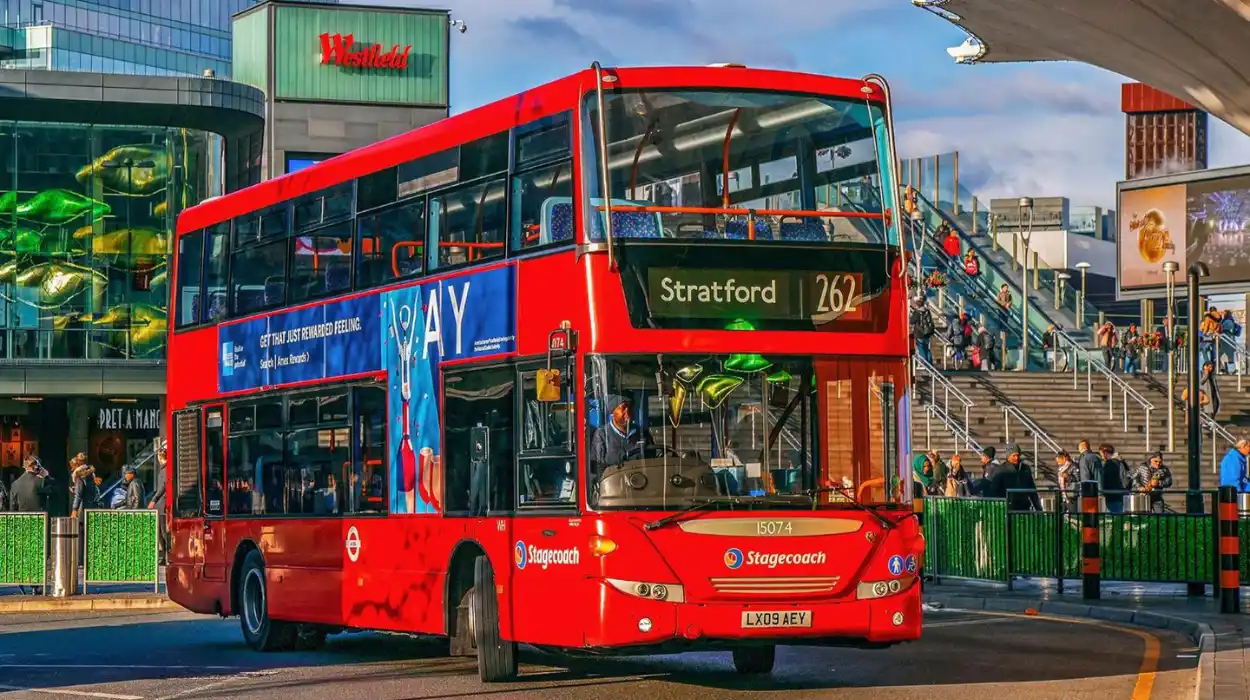
- A Transport for London (TfL) bus stalled and partially blocked a major thoroughfare on the A118 High Street at Farthingale Walk in Stratford, East London.
- The unexpected mechanical failure caused severe traffic delays and forced emergency diversions across a total of 11 local bus routes.
- The affected public transport services encompass routes 5, 86, 104, 238, 241, 257, 262, 276, 308, 425, and 473.
- Transport for London issued formal guidance advising commuters to speak with their drivers when boarding for real-time updates and to factor in extra time for their journeys.
London (Extra London News) August 5, 2026 — Commuters navigating the busy thoroughfares of East London faced significant morning delays and widespread travel disruption after a mechanical breakdown brought a key transport corridor to a standstill, directly impacting nearly a dozen distinct public bus services.
As detailed in initial reports by Emily Elliott, Reporter for the Hackney Gazette, traffic chaos ensued after a service vehicle suddenly stalled, leaving the vital roadway partially obstructed and forcing transport authorities to scramble emergency traffic management protocols. The incident, which unfolded directly on the A118 High Street at the junction with Farthingale Walk in Stratford, quickly cascaded into regional transit bottlenecks, affecting thousands of routine passenger journeys across the capital’s eastern sector.
What Caused the Sudden Gridlock on the A118 High Street in Stratford?
The disruption materialized during peak travel windows when a standard route bus suffered a critical mechanical failure, grinding to an immediate halt. According to frontline findings published by Emily Elliott of the Hackney Gazette, the immobilized vehicle
“stalled and partially blocked a key road”
right at Farthingale Walk on the A118 High Street. Because this specific stretch serves as a primary artery handling high volumes of commuter traffic, commercial vehicles, and public transit fleets, the physical blockage immediately triggered severe tailbacks across local junctions, including Stratford Broadway and West Ham Lane.
Local monitoring services and media outlets tracking the emergency response noted that the obstruction paralyzed regular lane flows, rendering standard scheduling impossible for incoming public transit vehicles. The spatial constraint necessitated immediate tactical intervention from regional traffic controllers to prevent total gridlock in the heart of Stratford.
Which Specific Bus Routes Were Impacted by the Stratford Road Obstruction?
The ripple effects of the stalled vehicle were felt far beyond the immediate vicinity of Farthingale Walk, throwing wide swathes of East London’s public transit network into disarray. As documented by Emily Elliott of the Hackney Gazette, the scale of the blockage forced transport planners to implement emergency diversions across an extensive roster of services.
The comprehensive list of affected public transport links spans eleven separate designations across the East London grid. As outlined by the Hackney Gazette, the disrupted services comprise bus routes:
- 5
- 86
- 104
- 238
- 241
- 257
- 262
- 276
- 308
- 425
- 473
For passengers relying on these vital connections for school runs, workplace commutes, and medical appointments, the diversions meant longer transit durations, missed transfers, and crowded alternative platforms as pedestrian and vehicular traffic diverted through secondary residential and commercial lanes.
Explore More Hackney News
Major Shop and Flats Fire Breaks Out in Hackney 2026
Hackney Road Shop Fire and Smoke in Shoreditch, London 2026
How Did Transport for London Respond to the Crisis?
In response to the mounting backlog and passenger confusion across the affected networks, transit administrators mobilized communication channels to brief stranded commuters. As reported by Emily Elliott of the Hackney Gazette, an official spokesperson for Transport for London (TfL) stepped forward to issue operational guidance for travellers caught up in the melee.
Addressing the public directly regarding the shifting diversion routes and rolling delays, the Transport for London spokesperson stated that:
“Please speak with your driver when boarding your bus for further information.”
Furthermore, emphasizing the broader logistical delays rippling across the wider borough and neighboring transit corridors, the TfL representative formally urged commuters:
“Please allow extra time for your journey.”
Transport analysts pointed out that while recovery crews worked diligently to clear the mechanical hazard from the A118 High Street, the sheer density of urban traffic meant that timetable normalization took several hours to ripple back through the interconnected schedules of routes 5 through 473.
What Broader Transit Context Surrounds the East London Region?
The sudden breakdown on Stratford High Street occurred amid a busy operational landscape across the capital’s transport infrastructure. Regular users of London’s transit networks have faced a dynamic environment of scheduled upgrades, fare shifts, and localized engineering interventions.
While local reporting from the Hackney Gazette primarily focused on the immediate aftermath of the High Street blockage, wider regional updates concurrently tracked by transit journalists included ongoing assessments of scheduled Tube and tram closures across London, adjustments to weekend bus ticketing structures offering unlimited travel incentives for £1.75, and the ongoing rollout of taller, more secure ticket barriers across various London rail stations.
Nevertheless, for the average resident caught on the ground in Stratford, these macro-level modernization projects took a back seat to the immediate operational headache caused by the stricken bus. Local authorities and emergency recovery teams successfully cleared the obstruction later in the day, gradually restoring normal routing protocols along the A118 High Street and bringing an end to one of the most disruptive localized transit incidents of the week in East London.